
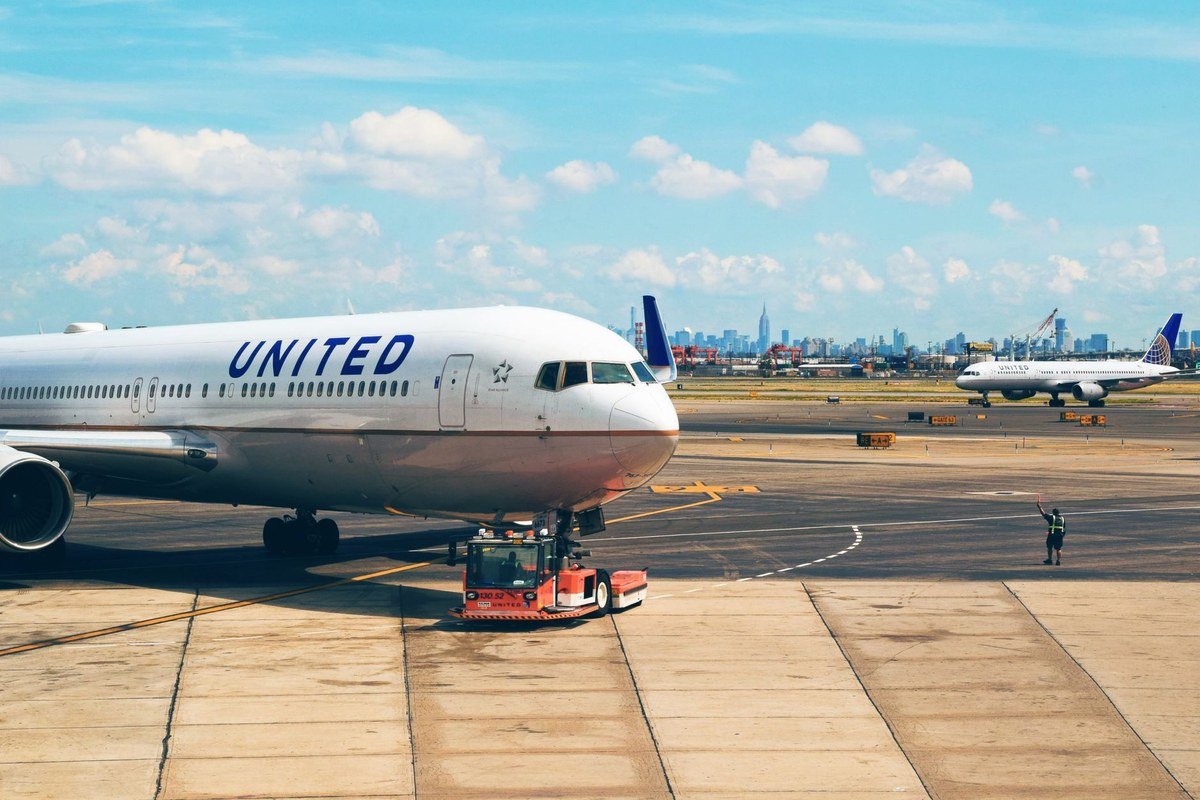
A321xlr: United Airlines’ new daily nonstop from Newark to Seoul marks the first operational proof that ultra-long-haul narrowbodies can compete with widebody cabins on transpacific routes.
United has begun daily service between Newark Liberty International and Incheon International Airport in Seoul using the Airbus A321XLR, a narrowbody jet engineered to cover distances previously reserved for widebody aircraft like the Boeing 787 or Airbus A350. The A321XLR route spans roughly 6,600 miles nonstop, positioning the aircraft as a game changer in how airlines staff, price, and operate premium intercontinental routes.
The A321XLR carries a maximum of 244 passengers but typically configured for premium service around 180 to 190 seats, with significantly higher fuel efficiency than comparable widebody jets on the same mission. That efficiency math reshapes the entire premium cabin equation: lower per-seat operating costs allow carriers to undercut traditional widebody pricing on routes where demand exists but capacity has always been abundant and expensive. Seoul, as a major tech and financial hub with strong ties to the US Northeast, becomes a proving ground for whether business and leisure passengers accept the narrower fuselage, and smaller lavatories, in exchange for better fares or more frequent departures.
The narrowbody long-haul play isn’t entirely new (European carriers have tested similar concepts), but United’s commitment to a daily frequency on a Pacific route signals confidence that the XLR’s range and operating economics can sustain scheduled service at major hubs. The move also sidesteps the widebody aircraft shortage and delivery delays that have constrained capacity on popular routes. For the premium leisure traveler eyeing Asia, and for corporate buyers managing travel budgets, the Newark-Seoul route introduces genuine competition where pricing was historically controlled by fewer widebody options. Airlines watching this deployment will parse every load factor and yield figure closely; if it succeeds, expect a cascade of similar announcements on routes to second-tier Asian gateways, the Caribbean, and deeper into Europe.