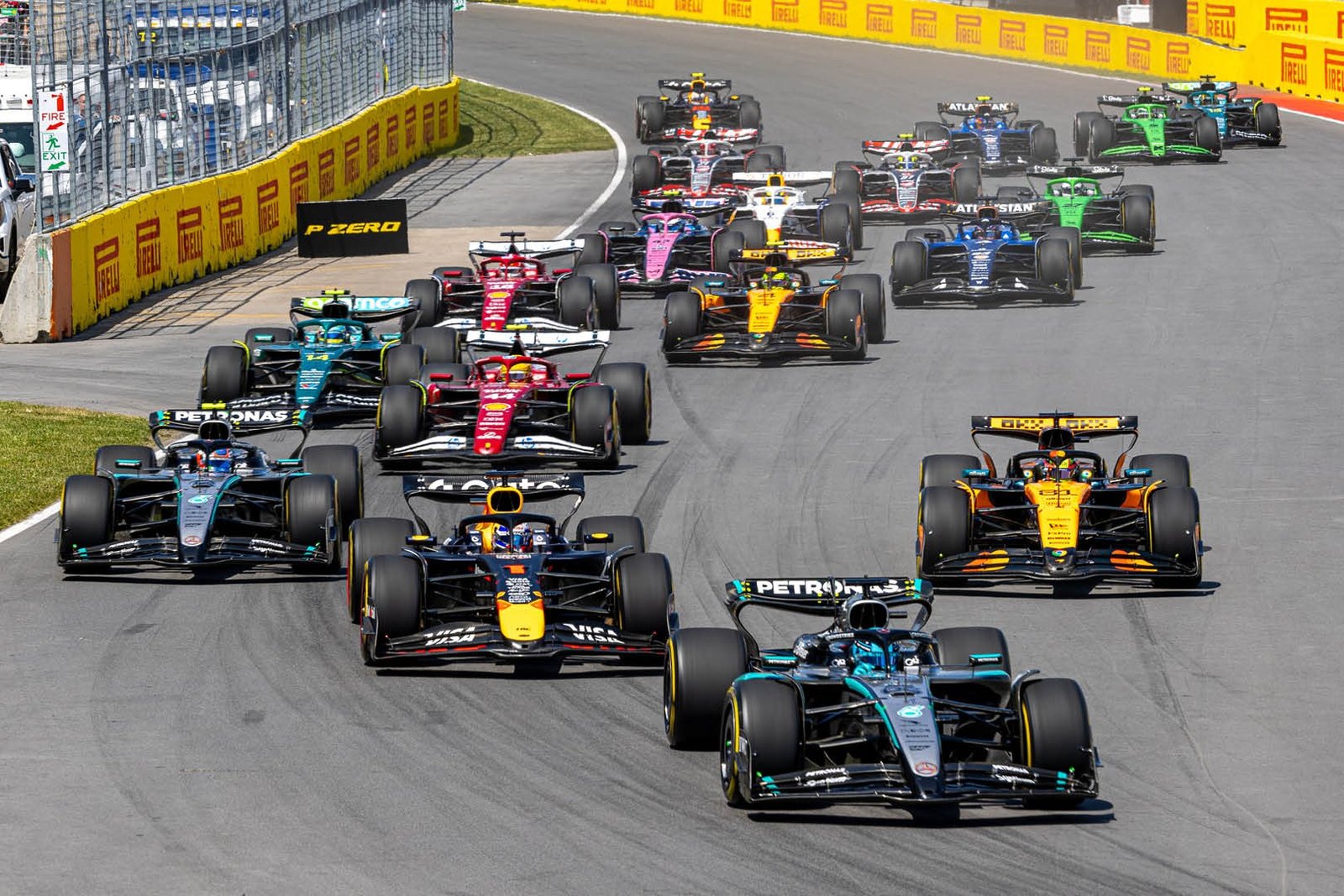
Adrian Newey’s jump to Aston Martin ahead of the 2026 regulation shake-up wasn’t just a technical hire, it was a cultural statement that proves Formula 1 is now officially a lifestyle brand. The legendary design director’s move to a heritage British luxury brand signaled that Formula 1 had finally shed its remaining gatekeeping. F1 is now the stage where automotive ambition, high fashion, and lifestyle commerce converge without apology. The 2026 season isn’t just bringing new technical regulations and power unit rules; it’s arriving as the official seal on F1’s transformation into something far bigger than racing.
The shift is visible in how teams and sponsors are now packaging the sport. Grand Prix weekends have evolved into multi-day cultural festivals where brand activations rival the on-track action in their scope and budget. Fashion houses, luxury goods makers, and lifestyle companies treat F1 events as prime real estate for their most ambitious campaigns. Teams themselves have become platforms for creative expression beyond aerodynamics and driver performance, with liveries, apparel collaborations, and fan experiences designed to compete for attention against every other premium brand fighting for consumer mindshare. Newey’s Aston Martin arrival crystallized what was already happening in the margins: F1 attracts capital, creativity, and cultural clout because it has become inseparable from how luxury, speed, and aspiration get communicated in 2026.
The 2026 Formula 1 season has cemented what was already unfolding: the sport is no longer defined by lap times alone. It is now recognized as a lifestyle brand where luxury, aspiration, and cultural influence matter as much as engineering prowess. This shift isn’t superficial, it reflects how the world’s most prestigious brands now compete for consumer attention, and Formula 1 has become the ultimate stage for that convergence.