
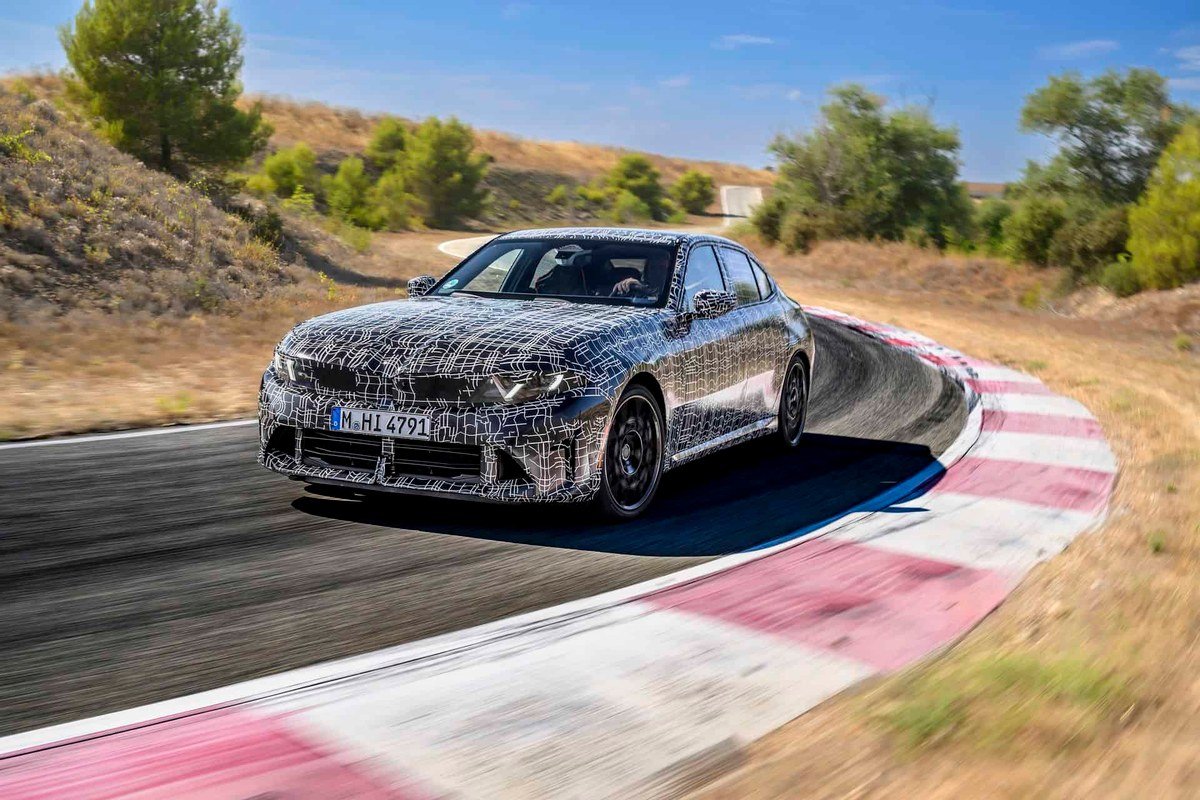
BMW is moving the needle on September 30 with the unveiling of the all-new G50 3 Series, the seventh generation of a car that has defined the sport sedan category for four decades. This isn’t a refresh or a mid-cycle nip and tuck. The G50 represents a complete architectural overhaul from the ground up, replacing the current G20 generation that debuted in 2019 and became the benchmark against which every rival sedan measures itself. The reveal lands as the automotive industry grapples with electrification, autonomous tech integration, and a fundamental rethinking of what luxury performance actually demands from a four-door.
What makes this moment consequential is timing and precedent. BMW has used each 3 Series generation to reset category expectations: the E90 brought the first generation of iDrive; the F30 tightened handling while expanding interior tech; the G20 refined both to near perfection. The G50 enters a market fragmenting between gas, hybrid, and fully electric powertrains, where a traditional sedan faces pressure from SUVs, crossovers, and EV-native competitors. The new platform will reportedly accommodate multiple drivetrain options, signaling that BMW isn’t abandoning the combustion engine or hedging its bets on pure electric, but rather building flexibility into the bone structure. Whether it debuts new infotainment architecture, revised suspension geometry, or weight savings through materials science remains unconfirmed, but the G50’s September 30 debut will answer how BMW intends to keep a 40-year-old nameplate relevant when the definition of a premium sedan is shifting week to week.
Pricing, availability dates for specific markets, and model lineup breakdowns haven’t been announced ahead of the reveal. Expect BMW to drop those details at the September 30 event, where the BMW G50 3 Series will finally show whether the automaker can maintain its grip on the sport sedan segment while navigating a market divided between gasoline, hybrid, and fully electric powertrains.