Singapore Design Week 2026 hits Marina Bay in late September as the moment when Asia’s design establishment stops talking about itself and starts showing. Running from September 26 through October 4, it isn’t a gallery opening or a single venue moment. It’s infrastructure. The festival sprawls across multiple locations across the island, transforming museums, commercial districts, and converted industrial spaces into a nine-day argument about what design means when it’s no longer chasing Western approval.
The timing matters, even if it’s easy to miss. A decade ago, Singapore Design Week existed largely to import legitimacy from established design capitals. Now the current runs reversed. Tokyo, Seoul, Bangkok, Mumbai, and Shanghai have their own festivals, their own collector bases, their own manufacturing ecosystems. The Southeast Asian creative economy has stopped apologizing for its aesthetics. Local studios working in material innovation, spatial design, and digital culture have moved from being curious regional voices to actual players. When a design festival this size anchors itself in Singapore now, it’s not borrowing cachet from elsewhere. It’s consolidating regional power.
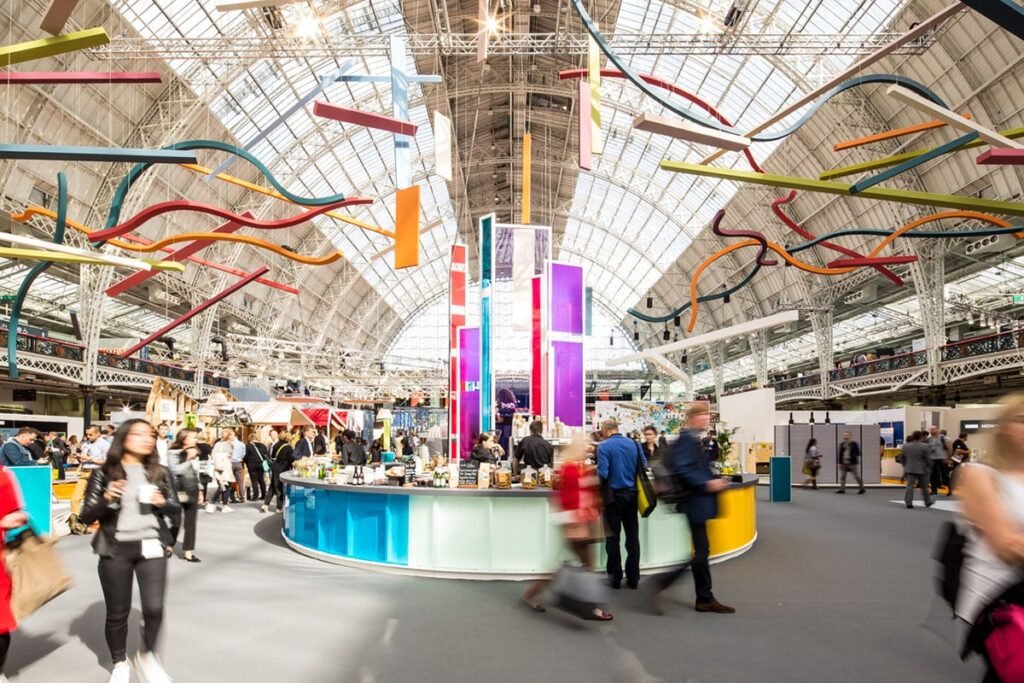
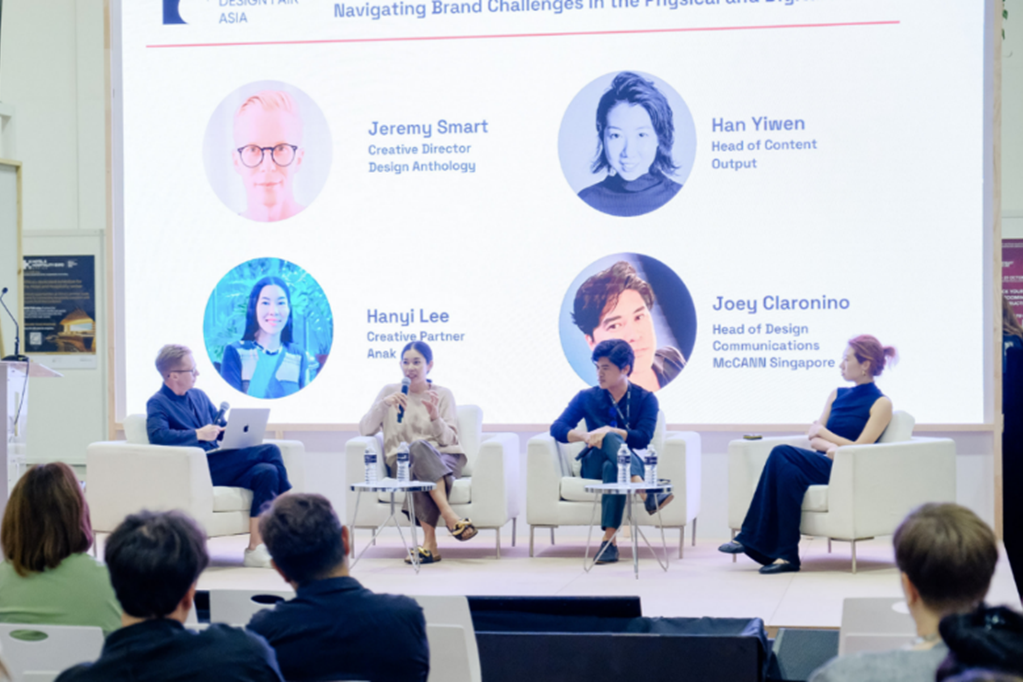
The multi-venue structure signals this shift too. Spreading across the city means the festival isn’t contained to a single district or audience demographic. Museum exhibitions sit alongside commercial product launches. Emerging designers share proximity with established names. Student work and experimental installations exist in the same temporal frame as professional commissions and luxury brand activations. That mix used to feel chaotic. Now it reads as intentional, the actual texture of how Asian design culture operates: collegiate and commercial at the same time, deeply invested in craft and completely comfortable with commerce, rooted in local context but cosmopolitan in reach.
For anyone watching how creative power distributes globally, Singapore Design Week 2026 is the kind of event that doesn’t need to shout about its importance. It simply operates at scale, across a city designed to host the world, during a moment when the world is finally paying attention to what Asia’s designers have been building all along.