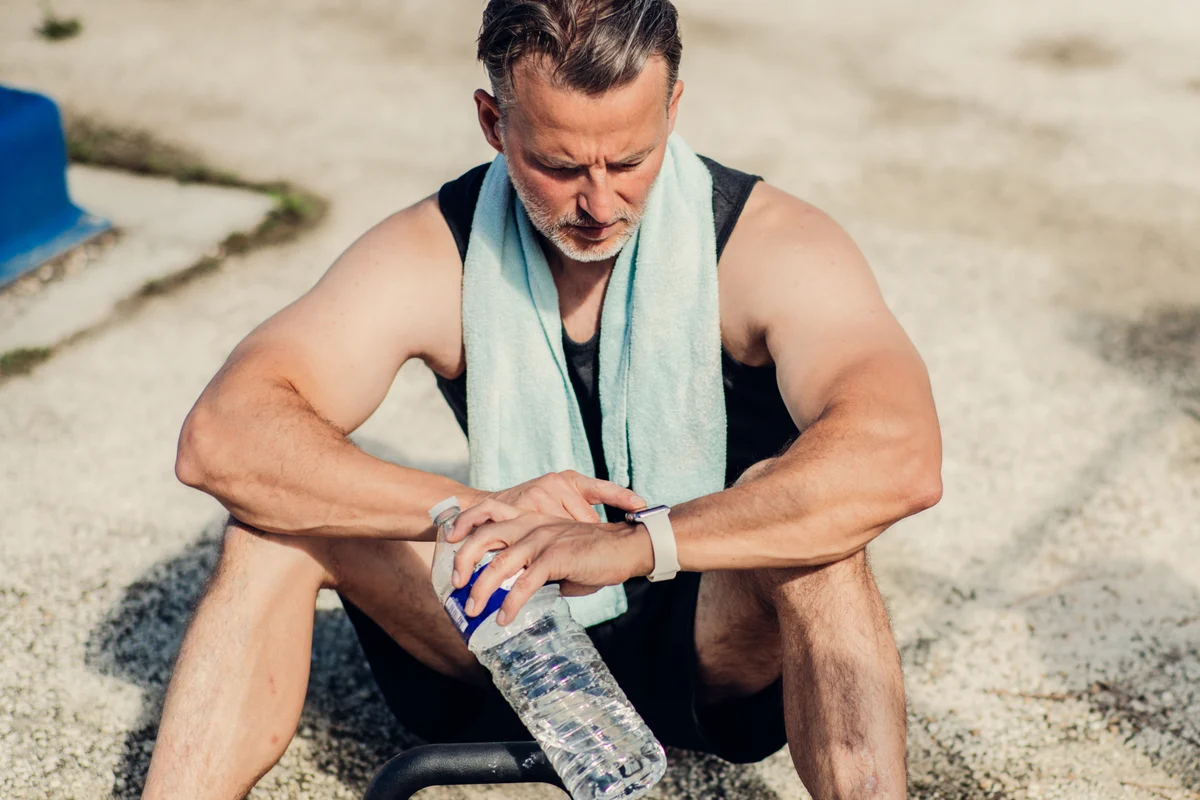
The wellness backlash has arrived. In boutique studios across Los Angeles, Brooklyn, and London, adults in athletic wear are now gathering in dimly lit rooms to let loose with primal yells, guided by facilitators who treat catharsis as a legitimate wellness modality. It’s the inverse of the silent meditation boom of the 2010s, the sound-bite-sized refutation of every optimization obsessive who spent the last decade measuring HRV metrics, timing their coffee intake to circadian rhythms, and treating their bodies like biological startups demanding constant improvement. According to the Global Wellness Summit’s latest trend analysis, this shift represents the defining wellness moment of 2026: a wholesale rejection of the quantified-self industrial complex in favor of what might be called pleasure-first health.
What’s happening isn’t a return to wellness as it existed before biohacking took hold. Instead, it’s a parallel universe opening up alongside the optimization crowd. Somatic movement classes, where the goal is sensation and release rather than calorie burn or performance metrics, now compete with HIIT studios for attention and wallet share. Sound baths, breathwork intensives designed around emotional processing rather than oxygen optimization, and “rest” retreats that explicitly reject productivity have graduated from fringe wellness experiments to recognizable categories in the health marketplace. The trend report flags this as a fundamental reorientation: health is no longer being sold as an achievement that requires discipline, data, and delayed gratification. Instead, it’s being repackaged as permission.
The cultural backdrop matters here. A generation raised on hustle narratives and told that their bodies were problems to be solved has begun pushing back with surprising velocity. The resistance shows up in language first: the rise of “anti-optimization” framing, the celebration of “imperfection,” the viral appeal of wellness content that explicitly mocks the spreadsheet-and-supplement brigade. On social media, the aesthetic has shifted from transformation timelines to vulnerability archives. It’s not that people have stopped caring about their health, but rather that health has been decoupled from achievement. You can feel good without tracking it. You can be unwell without failing. The wellness industry, ever responsive to whatever direction the money is moving, has followed the audience into this new territory, creating spaces and experiences designed to make feeling bad temporarily feel intentional and communal rather than shameful and isolating.
The wellness backlash isn’t simply nostalgia for pre-biohacking health culture. It represents a genuine philosophical inversion: bodies are no longer problems requiring optimization, data, and discipline, but sites of permission, sensation, and pleasure. As scream circles fill boutique studios and rest retreats reject productivity metrics, the market is finally offering an alternative to the hustle narrative that shaped an entire generation. The wellness backlash suggests that sometimes the most radical biohack is choosing to do nothing at all.