Geoffrey Bawa Tropical Modernism: The Vitra Design Museum’s first major retrospective in 20 years positions the Sri Lankan master as modernism’s most underrated voice.
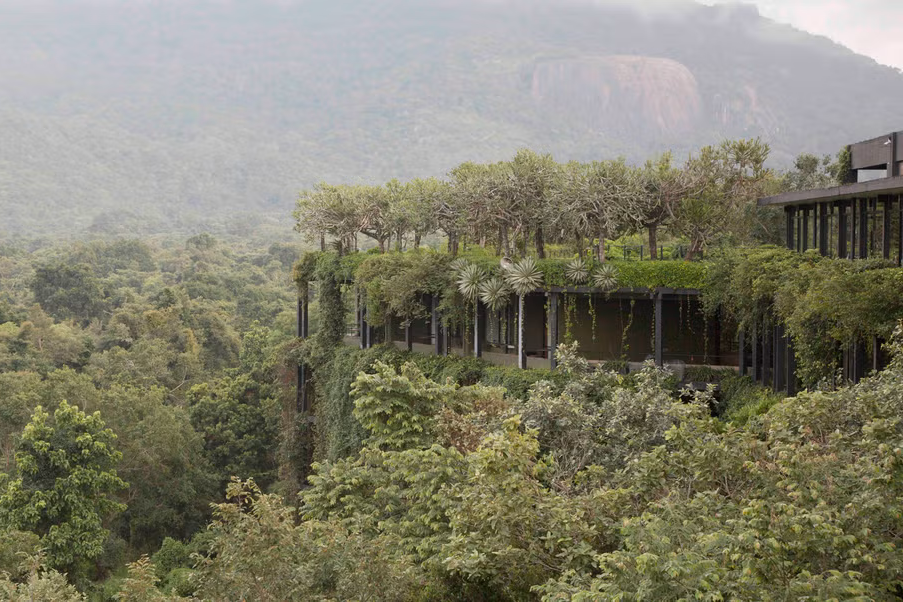
Geoffrey Bawa’s tropical modernism shaped buildings that looked like they were growing out of the landscape rather than imposed upon it. Sweeping pavilions dissolved the boundary between interior and exterior, courtyards captured monsoon breezes before air conditioning became reflexive, and timber screens filtered tropical light into something almost architectural. For decades, the Sri Lankan pioneer refined a visual language so perfectly attuned to place that it became nearly invisible to the Western design establishment, which was too busy debating International Style orthodoxy to notice someone had already moved past it.
Bawa’s work existed in a strange pocket of influence. Architects knew him. Designers worshipped him. Yet his name rarely appeared in the grand narratives of 20th-century modernism. The gap between his cultural footprint and his institutional recognition widened after his death in 2003. Two decades have passed without a major retrospective, which feels almost perverse given that his design principles now shape everything from contemporary resort architecture to how luxury brands think about tropical geography. The Vitra Design Museum’s opening on September 26 arrives as overdue correction.
The real insight lurking in Bawa’s work isn’t formal or stylistic, but philosophical. He didn’t design buildings that conquered climate or terrain. He designed buildings that negotiated with it. Courtyards weren’t decorative incidents but climatic tools. Covered walkways weren’t ornamental but essential infrastructure that shaped how light and shadow choreographed daily movement. Stone, water, and vegetation weren’t accent materials but structural partners in the design system itself. This approach feels almost prescient now, when sustainability rhetoric has become mandatory but actual climate-responsive design remains rare. Bawa did it without the language, without the guilt, without the marketing angle. He simply understood that modernism didn’t need to reject nature to be modern. It needed to collaborate with it.
The real insight lurking in Bawa’s work isn’t formal or stylistic, but philosophical. He didn’t design buildings that conquered climate or terrain. He designed buildings that negotiated with it. Courtyards weren’t decorative incidents but climatic tools. Covered walkways weren’t ornamental but essential infrastructure that shaped how light and shadow choreographed daily movement. Stone, water, and vegetation weren’t accent materials but structural partners in the design system itself. Geoffrey Bawa’s tropical modernism feels almost prescient now, when sustainability rhetoric has become mainstream and architects worldwide finally recognize what Bawa understood decades ago.