Georgia O’Keeffe Architecture: The modernist icon’s obsession with buildings reveals a side of her practice most people have never seen.
When you think of Georgia O’Keeffe, you picture flowers that look like something else entirely, or those hypnotic New Mexico desert vistas that redefined American landscape painting. But a new Georgia O’Keeffe architecture exhibition beginning September 11 at the Detroit Institute of Arts will reframe how we understand one of the 20th century’s most iconic artists by centering the modernist structures that quietly governed her entire visual language.
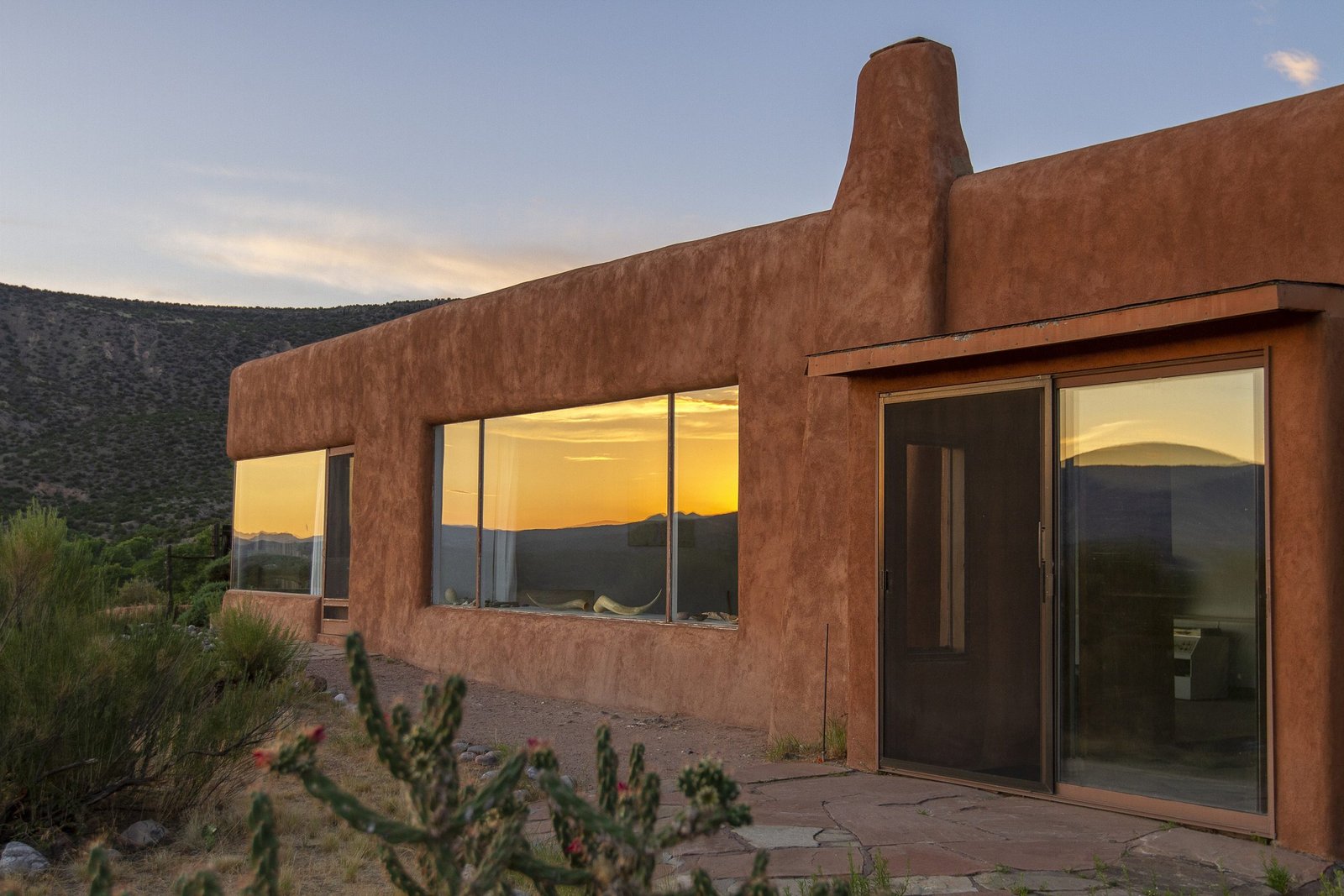
O’Keeffe arrived in New York during the height of the skyscraper boom, and the city’s vertical ambitions became embedded in her sensibility. The towering forms, the play of light and shadow on steel and stone, the way buildings seemed to compress and expand space, these weren’t just subjects for casual observation. They became the structural DNA of her work. Her flowers, those often-misinterpreted forms that critics and viewers imposed sexuality onto, were really about something closer to architectural form: the geometric precision of petals unfurling like the facades of buildings opening outward. Even her famous New Mexico series, those paintings of bleached bones and desert horizons, contain the kind of spare, almost structural minimalism you’d find in a carefully composed elevation drawing.
The Detroit exhibition pulls this thread forward, allowing viewers to see how Georgia O’Keeffe used architecture as both subject matter and compositional philosophy. By pairing her architectural studies with finished paintings, the show demonstrates that her abstraction wasn’t about retreating from the real world into pure form. Instead, it was about distilling the essence of how we inhabit space and how buildings shape our perception of form and light.