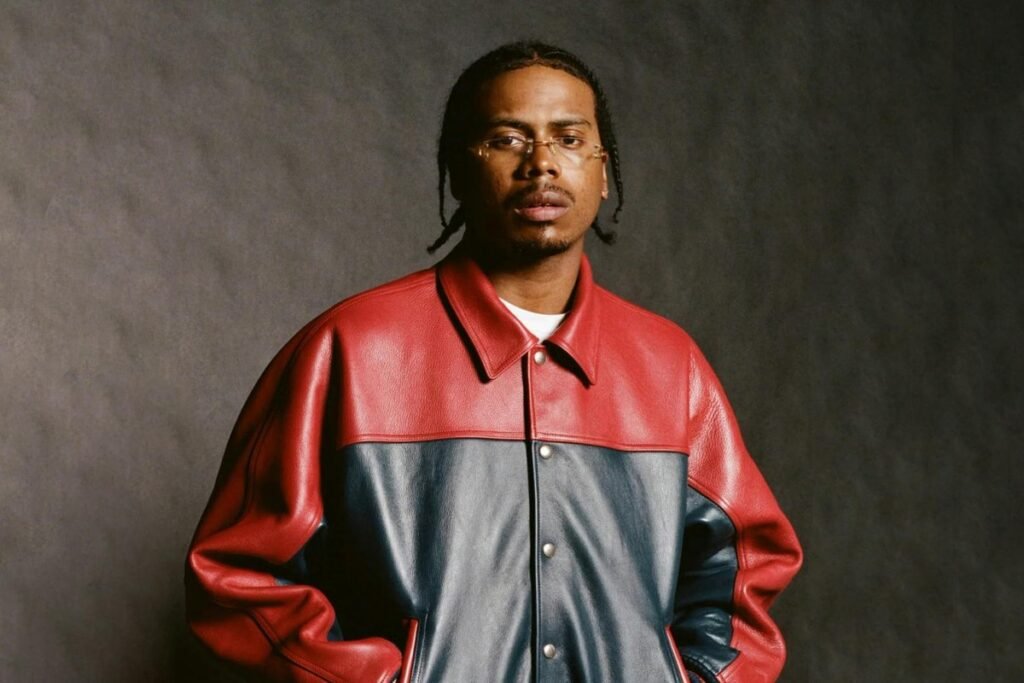
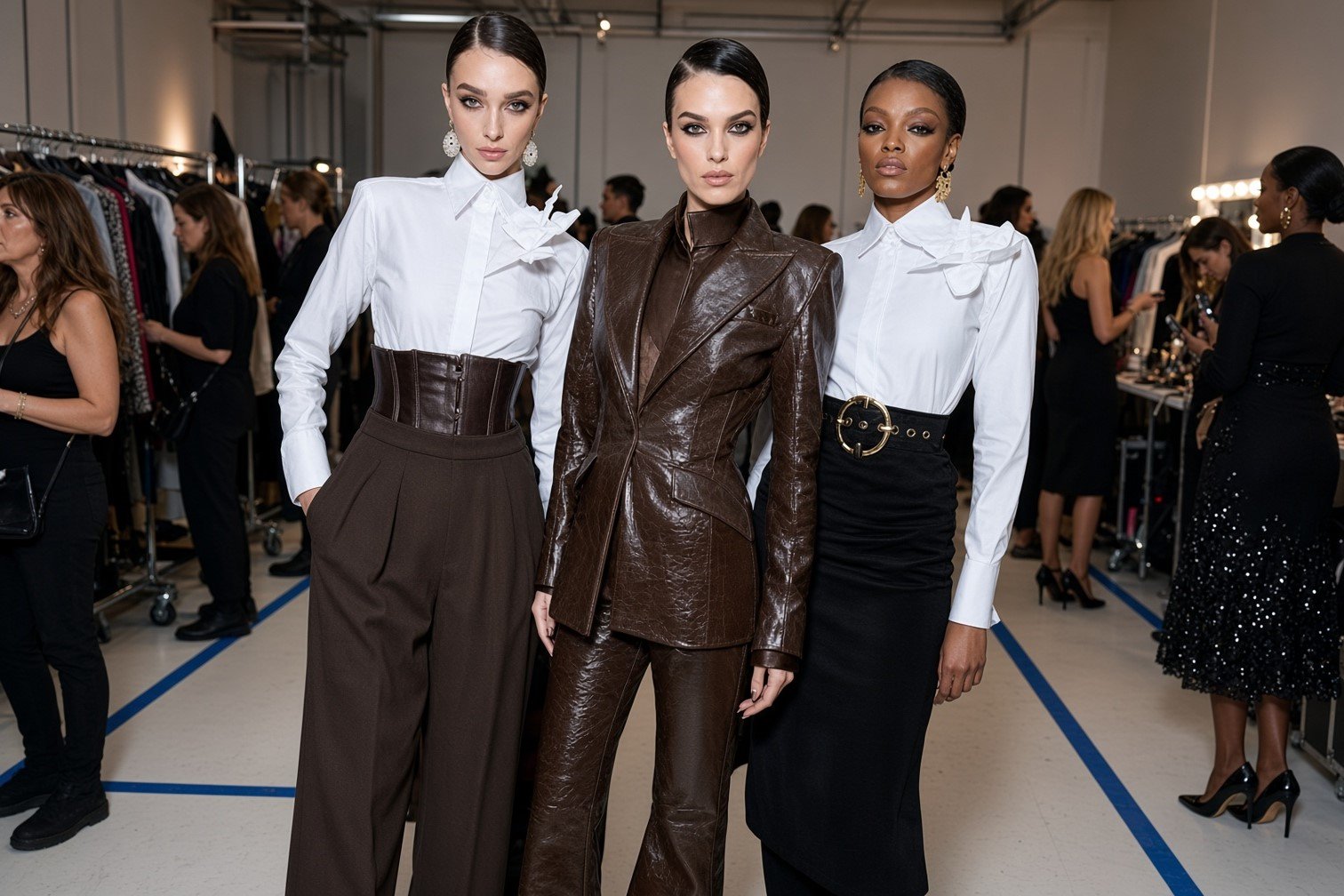
The energy shift happened quietly, then all at once. Sergio Hudson and Camille Rose announced they were merging their worlds for New York Fashion Week, and suddenly September’s calendar felt different. This isn’t a brand dropping a lip gloss at a show. This is architectural alignment: a Black-owned fashion house operating at the highest echelon of luxury working directly with a Black-owned beauty ecosystem to create a complete vision. That distinction matters, especially when you’re talking about a runway that has historically treated Black creative ownership as a side story rather than the main narrative.
Hudson’s aesthetic has always lived in a specific register: structured, sensual, uncompromising tailoring that reads like old money meets contemporary Black excellence. The silhouettes demand a certain presence, a certain grooming, a certain intentionality about how you move through space. Camille Rose’s portfolio spans styling products, conditioners, and treatments engineered for textures that the mainstream beauty industry spent decades getting wrong or ignoring entirely. When you put these two together on the same stage, you’re not creating a moment, you’re building a closed loop where beauty and fashion aren’t supporting players to each other, but equal architects of a single cultural statement.
The timing lands in a calendar where NYFW has been gradually, then visibly, expanding whose vision gets center stage. But intent matters. Partnerships between independent Black creators operating at this scale remain statistically rare enough that when they happen, they signal something beyond commerce. The Sergio Hudson and Camille Rose collaboration is business moving as cultural documentation, a visible assertion that when Black luxury creators align, the entire fashion narrative shifts.