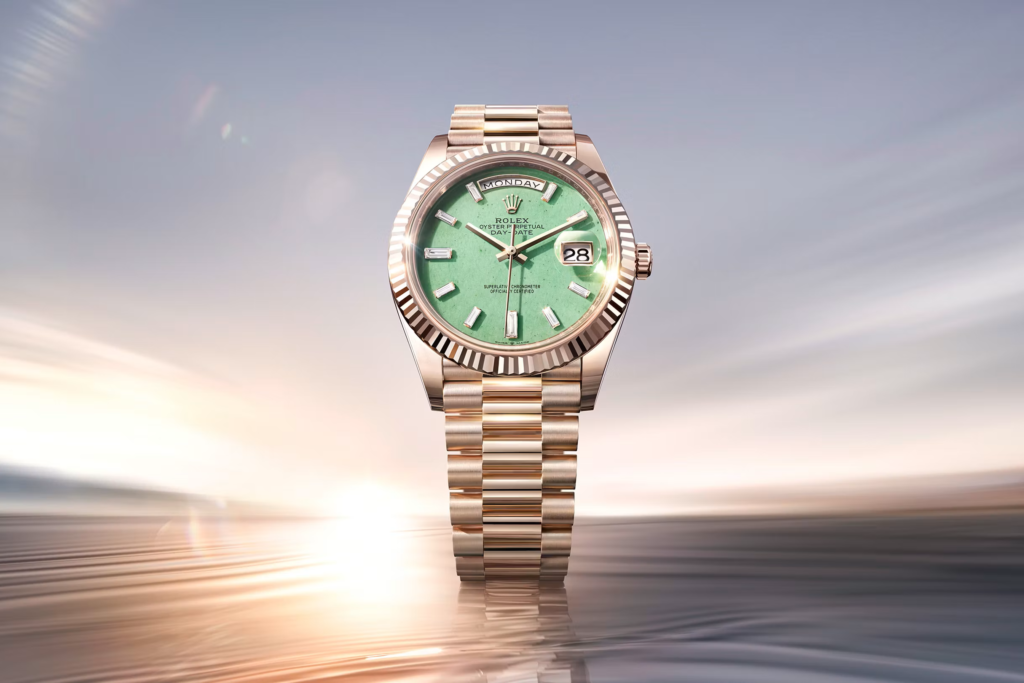
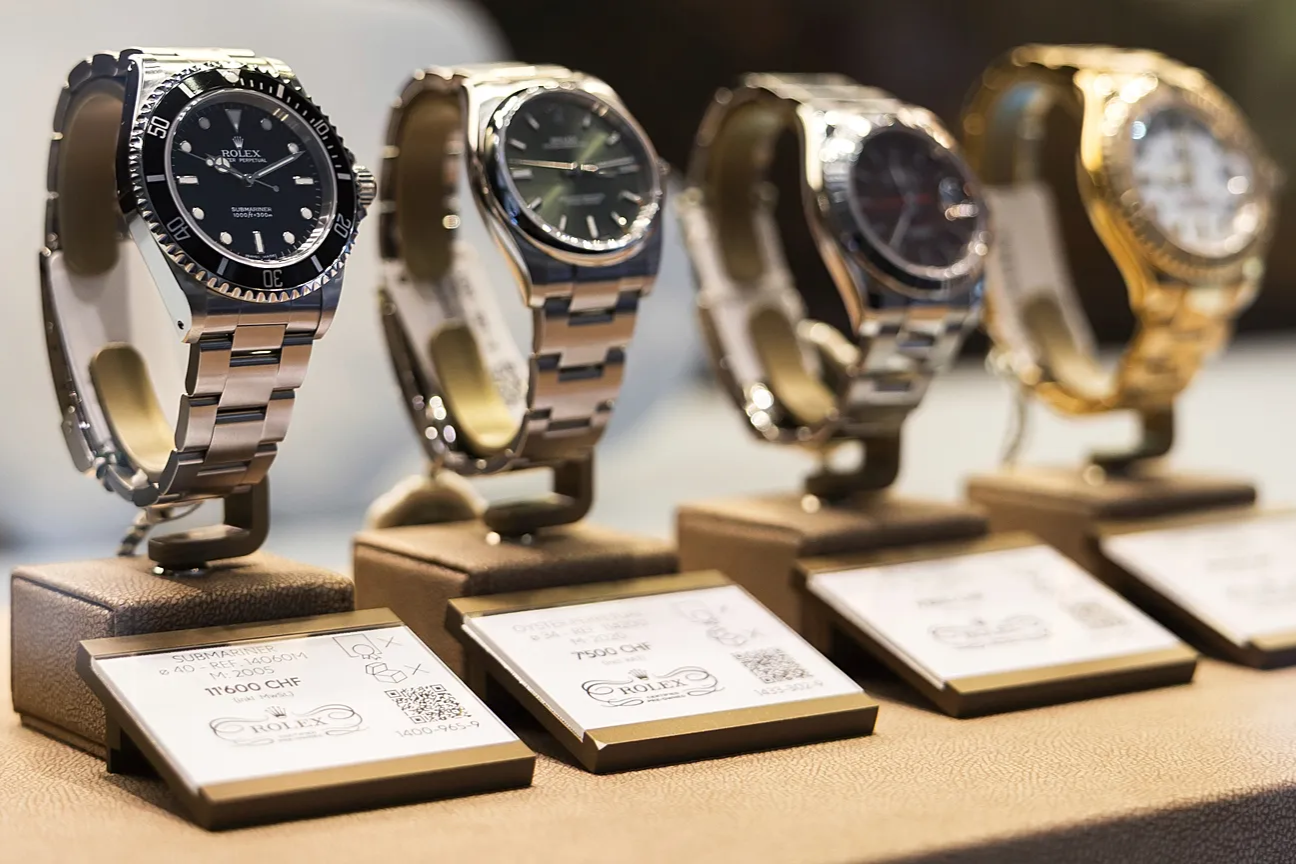
The Swiss watch tariff landed quietly in early 2025, but its effects rippled through boutiques and collector chat rooms like a shock to the nervous system. A 39% import duty on Swiss watches didn’t just nudge prices higher, it fundamentally altered the calculus that has governed American watch collecting for a generation. Suddenly, that Rolex Submariner commanding a five-figure waiting list now carries a phantom premium that can’t be negotiated away. The grey market, long a parallel ecosystem of dealer networks and secondary sales, has become the default option for collectors trying to dodge sticker shock.
Brands are caught in a bind without elegant solutions. Authorized dealers report a noticeable uptick in customers asking whether buying abroad makes financial sense, a question that barely registered before the duty kicked in. Some collectors are investigating Swiss watchmakers’ European pricing, calculating whether flights and international shipping pencil out against the 39% hit at home. Others have simply paused purchases altogether, a holding pattern that’s rippling back through supply chains and boutique inventory planning. The secondary market has absorbed much of this friction, with pre-owned and vintage pieces gaining new appeal as customers hunt for workarounds to retail pricing.
What’s genuinely unusual about this moment is how it’s surfaced a structural weakness in the American luxury watch ecosystem: the complete absence of domestic manufacturing at scale. Unlike automobiles or apparel, where tariffs at least theoretically incentivize domestic production, there’s no meaningful watchmaking infrastructure in the United States to absorb the gap. This isn’t protectionism creating an opportunity for American brands, it’s simply a tax on desire. Smaller boutiques and independent dealers who built their margins on volume are now navigating conversations about whether they can even absorb the duty themselves or whether it gets passed directly to customers. The answer, increasingly, is both.
What’s genuinely unusual about this moment is how it’s surfaced a structural weakness in the American luxury watch ecosystem: the complete absence of domestic manufacturing at scale. Unlike automobiles or apparel, where tariffs at least theoretically incentivize domestic production, there’s no meaningful watchmaking infrastructure in the United States to absorb the gap. This isn’t protectionism creating an opportunity for American brands, it’s simply a tax on desire, one that the Swiss watch tariff has made unavoidable for serious collectors.