Reformation Rug Collection: After years of customers asking where to buy them, the eco-fashion brand finally offers the hand-knotted rugs that have lined its stores.
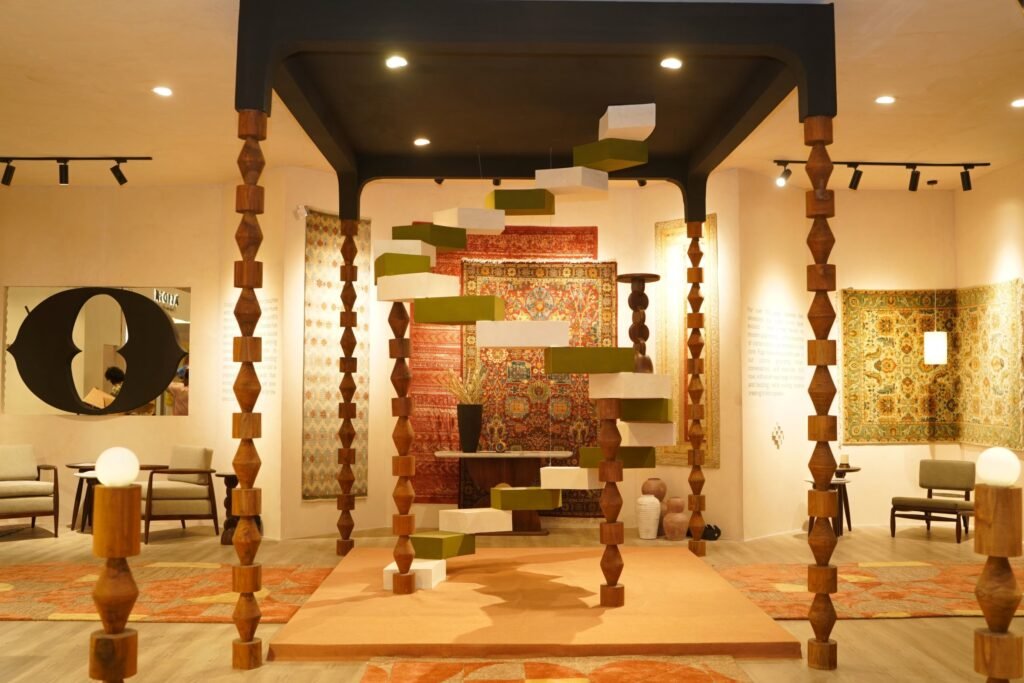
Reformation’s design dominance has long extended beyond clothing into the Reformation rug collection that appears in its stores. Walk into one of the brand’s retail spaces and you’re met with an intentional, carefully curated visual experience, part of which comes courtesy of the rugs underfoot. For years, customers have been asking the same question: where can we get these? The answer arrives now with the launch of Reformation’s first-ever interiors collaboration, a partnership with French rugmaker Les Éditions de Tapis that brings nine limited-edition, made-to-order designs to life.
The collection is the result of a creative conversation between Reformation creative chief Lauren Caris Cohan and Les Éditions de Tapis founder Thomas Coccimiglio. Each rug is hand-drawn and then hand-knotted by artisans working across India and Nepal, constructed from wool, linen, and silk in combinations that underscore the collection’s investment-level quality. According to Who What Wear, the rugs feature subtle designs and versatile hues that read as classically Parisian with a thread of whimsy, essentially distilling Reformation’s own aesthetic into something you’d anchor a room around rather than hang on your body.
Reformation’s Rug Collection and the Brand Behind It
Les Éditions de Tapis isn’t a name that registers for most fashion consumers, but it’s been quietly shaping the visual identity of Reformation’s retail footprint for some time. The Paris-based studio, founded by Coccimiglio, specializes in bespoke and limited-run rug production, the kind of craft-forward work that aligns with Reformation’s own storytelling around sustainability and artisanal production. By partnering with an existing supplier rather than launching an in-house line, Reformation is leaning into the expertise of someone already fluent in the brand’s visual language.
The move into home goods represents a natural extension of what Reformation has already been doing through its retail environments. Fashion brands often treat their stores as three-dimensional advertisements, but Reformation has used them as lifestyle showcases, curating not just clothing but an entire atmospheric vision. Now, instead of customers simply photographing the rugs for inspiration, they can actually purchase them.
Made-to-Order, Not Mass Production
Here’s the detail that separates this from the usual luxury brand home collection: everything is made-to-order. There are no warehouses of pre-produced rugs waiting to ship. Instead, each rug is created after purchase, which means longer lead times but also genuine exclusivity. In a retail landscape crowded with quick-turn home collaborations designed to capitalize on seasonal trends, a made-to-order approach signals something different, this isn’t about capitalizing on a moment but offering something durable and intentional.
The hand-knotted construction, executed by artisans rather than machines, places these rugs in a category of production that requires genuine skill and time. Wool, linen, and silk aren’t materials you rush through a factory floor; they’re materials that demand patience and precision. According to Who What Wear, the collection’s versatile colorways and refined designs position each piece as something you won’t grow tired of, the kind of foundational home good that serves as a base layer for interior design rather than a novelty.
The Styling Strategy
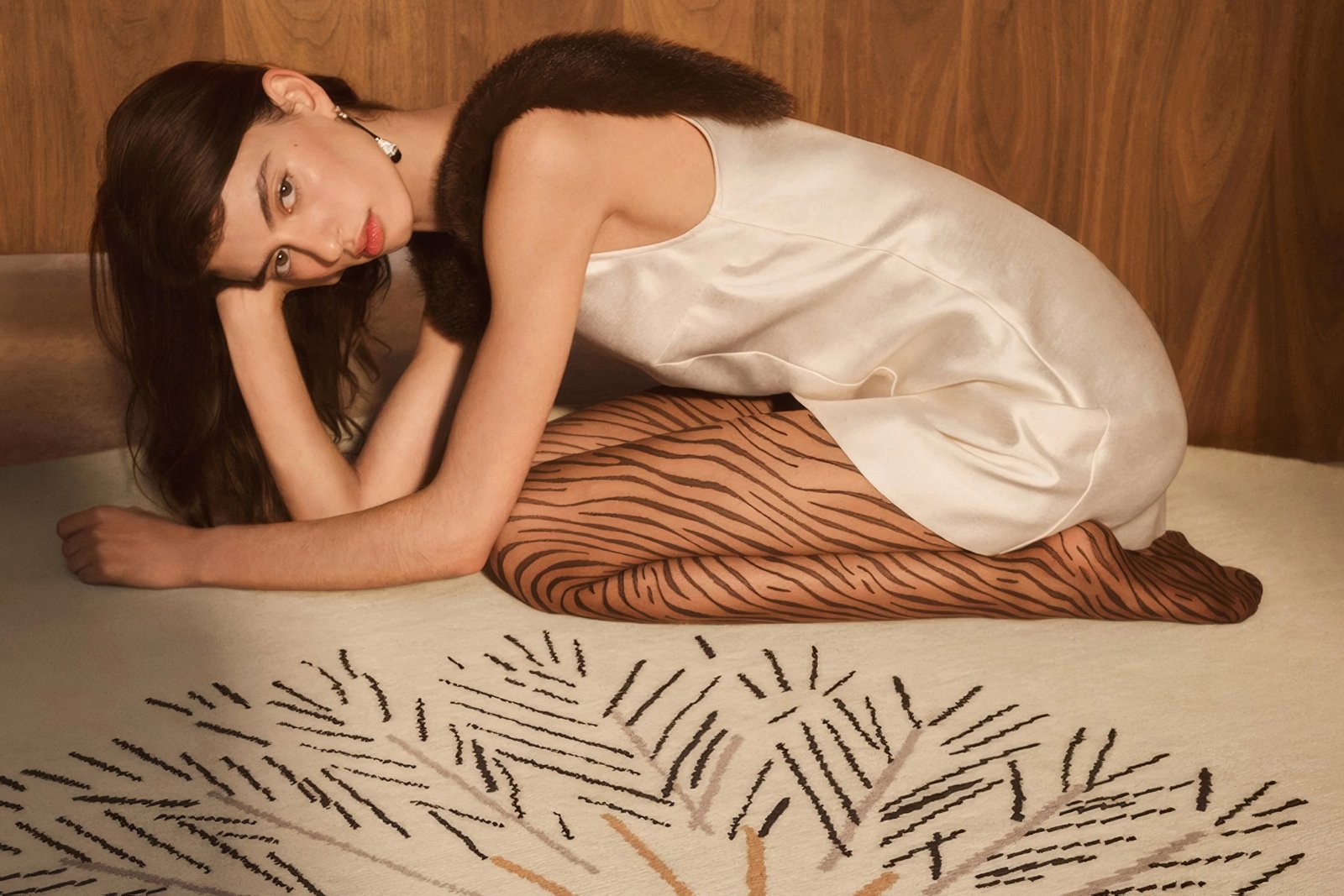
Reformation photographed the rugs alongside pieces from its holiday collection, which suggests the brand is thinking about these not as standalone products but as components of a broader lifestyle vision. It’s a marketing move, certainly, but also a practical one for customers trying to envision how a hand-knotted rug actually functions in a real home. By pairing the rugs with clothing and other goods from Reformation’s own ecosystem, the brand creates a more complete picture of how this collection slots into an existing customer’s wardrobe and living space.
The collaboration signals where Reformation sees its future heading. Fashion alone has clearly become insufficient as a category anchor, and the Reformation rug collection represents a deliberate step into lifestyle curation at scale. By choosing a partner steeped in craft rather than launching an in-house line, the brand has signaled that it understands the difference between trend-chasing and building something intentional, whether that’s a piece of clothing or a hand-knotted rug that will outlive a season.