Kai Bathhouse Copenhagen: Paper Island gets a radically ambitious public bathing space that rethinks how Scandinavian architecture treats water and public ritual.
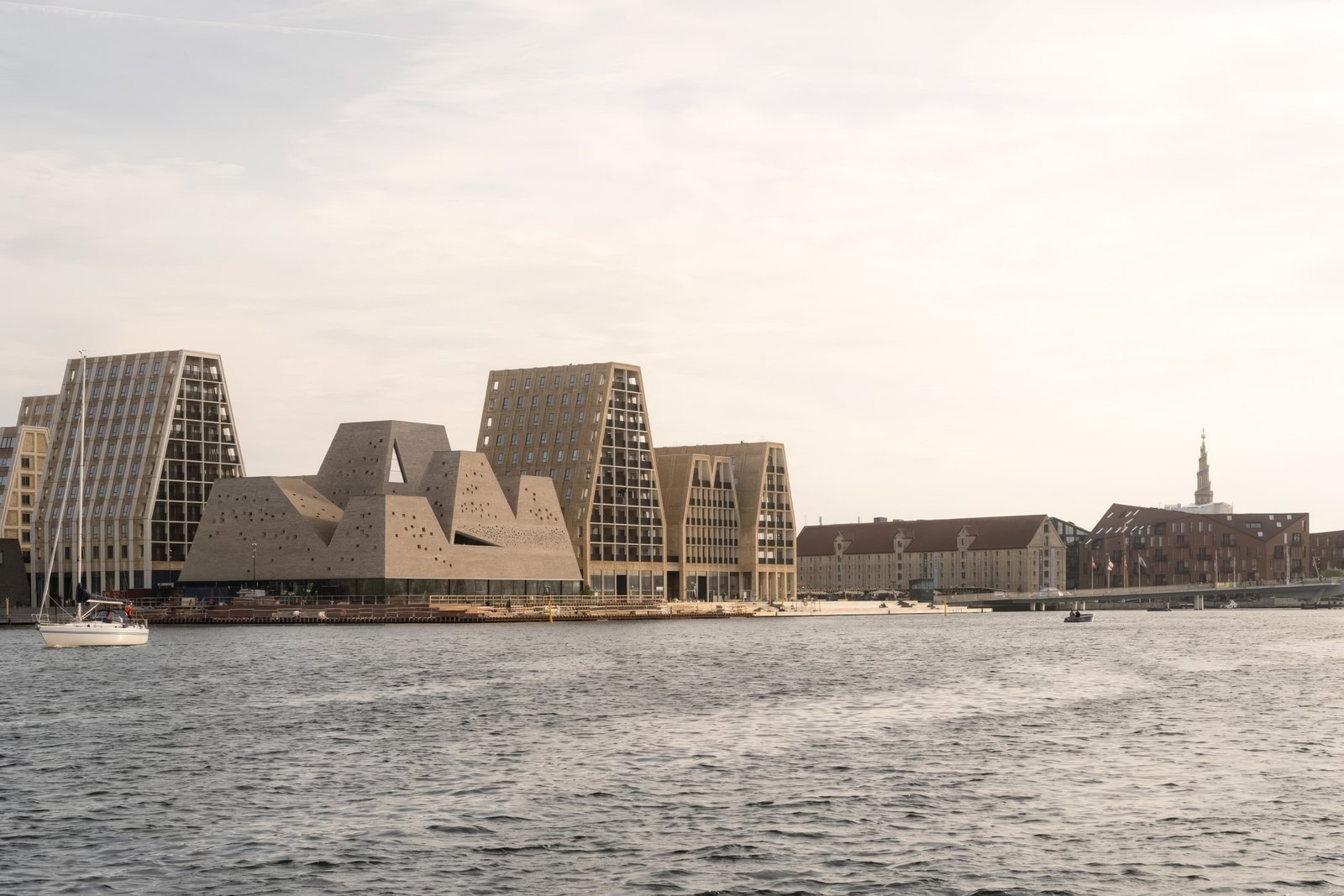
Kengo Kuma doesn’t do restraint. On December 5, Copenhagen’s Paper Island will host the opening of KAI bathhouse Copenhagen, a five-tower bathing complex that marshals 300,000 handmade bricks into what may be the most architecturally audacious bathing complex in Scandinavian history. This isn’t a spa resort or a wellness resort or any of the pasteurized comfort-industry language that typically surrounds bathing spaces. This is a building that has decided bathing deserves the same design rigor most cities reserve for museums or courthouses.
Kuma’s selection onto Yanko Design’s November 2026 architectural picks alongside projects like Oslo’s MUNCH Museum tells you something about the philosophical weight being assigned to this project. The curation criteria, as stated by the publication, centered on “specific choices about how people occupy a building,” prioritizing how architecture shapes ritual and lingering over novelty or sheer size. KAI earned its inclusion by doing exactly that: making room for public life through an architectural argument about water, material, and communal space.
KAI Bathhouse’s Brick Argument
Three hundred thousand handmade bricks don’t get selected as a primary material by accident, especially not in 2026 when every architect has access to poured concrete, steel, and composite systems that would finish faster and cheaper. Kuma’s choice signals a commitment to a slower, more tactile form of building that asks visitors to read the structure’s labor in its surface. Each brick carries variation, slight color shifts, a human mark. That’s not nostalgia. That’s material honesty in an era when most public architecture has learned to hide its seams behind smooth facades.
The five-tower organization creates a silhouette that announces itself across Copenhagen’s waterfront the way MUNCH’s bent upper section commands attention across Oslo’s. But towers framing a bathhouse proposal something fundamentally different than towers framing a museum. There’s a vertical drama being imposed on a program that typically demands horizontal sprawl. The towers likely house changing facilities, circulation, possibly residency or programming space. The actual bathing happens differently, distributed through the complex, forcing visitors to move between spaces, to experience bathing not as a single climactic moment but as a choreographed sequence.
Public Life as Design Decision
What separates KAI from the corporate wellness box is that Kuma has treated this as a problem of public architecture, not hospitality design. The architectural reasoning that drove MUNCH, where “a more transparent circulation zone opens visitors’ attention to the city,” seems to operate here too. A bathhouse that prioritizes “how people occupy a building” doesn’t hide its users. It makes bathing visible, ritual, something that happens in relationship to others and to the broader city.
Scandinavian bathing culture has deep roots, but it’s usually practiced privately or in highly commercialized spaces. KAI appears to be proposing something else: bathing as civic act. Paper Island itself is a relatively recent Copenhagen development, a former harbor area transformed into mixed-use space. A five-tower bathhouse with 300,000 bricks becomes a landmark that signals a neighborhood’s seriousness about public amenity, about architecture that doesn’t apologize for taking up space.
The December 5 opening date places KAI in winter, which matters. Northern European bathing culture peaks in cold months when the contrast between warm water and cold air becomes not just pleasant but necessary. Opening during Copenhagen’s dark season, when outdoor waterfront activity drops but interior communal spaces become crucial, suggests Kuma understands the seasonal rhythm that drives whether a public building actually gets used or becomes a monument to intention.
The real test for the KAI bathhouse Copenhagen won’t come until after the opening. Three hundred thousand handmade bricks have to weather Copenhagen winters, and the five-tower structure must prove it can anchor public life through the city’s darkest months, fulfilling Kuma’s vision of bathing as civic infrastructure rather than commercial amenity.