Lady Delilah Nyc: The h.wood Group opens its fifth Delilah location in a 10,000-square-foot underground space on November 3, marking the brand’s 10-year anniversary with nightly live entertainment and bottle service.
The h.wood Group isn’t subtle about expansion. After a decade running Delilah and The Nice Guy across Los Angeles, the hospitality collective has turned up at four satellite locations across the country, Las Vegas, Miami, Dallas, and now New York. On November 3, they’re dropping Lady Delilah NYC into the Meatpacking District, a 10,000-square-foot subterranean supper club at 353 West 14th Street that arrives precisely when the brand hits its tenth anniversary. The timing isn’t accidental. Neither is the location.
Lady Delilah NYC: What It Actually Is
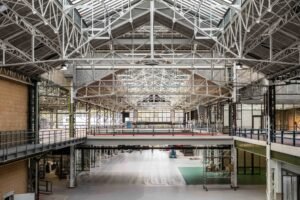
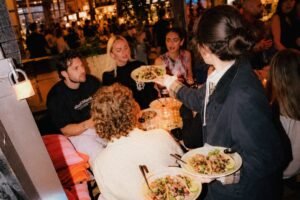
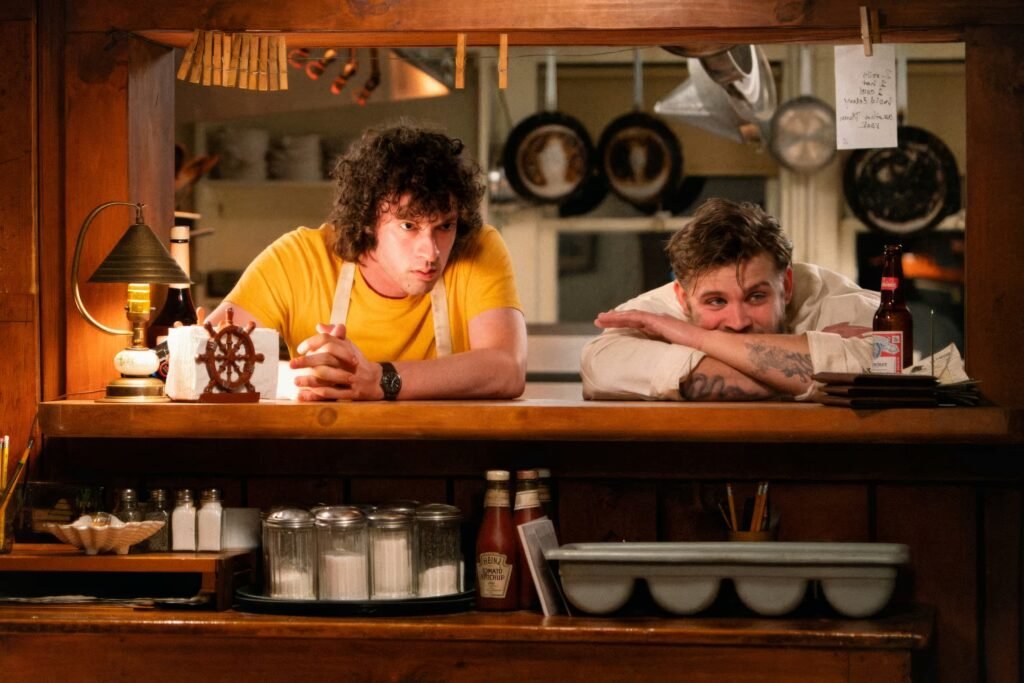
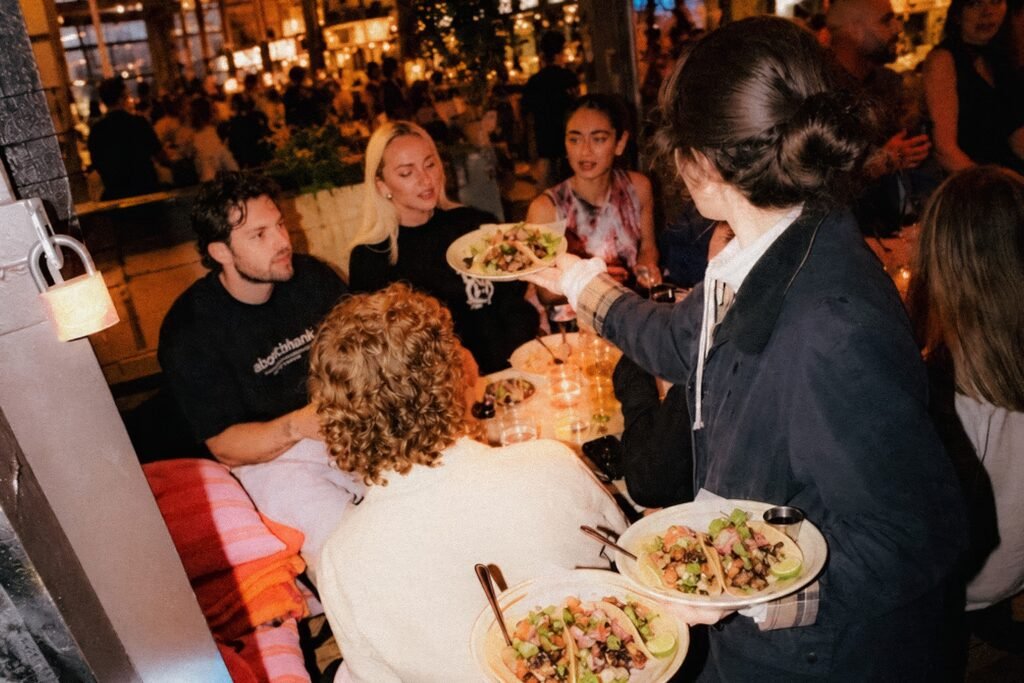
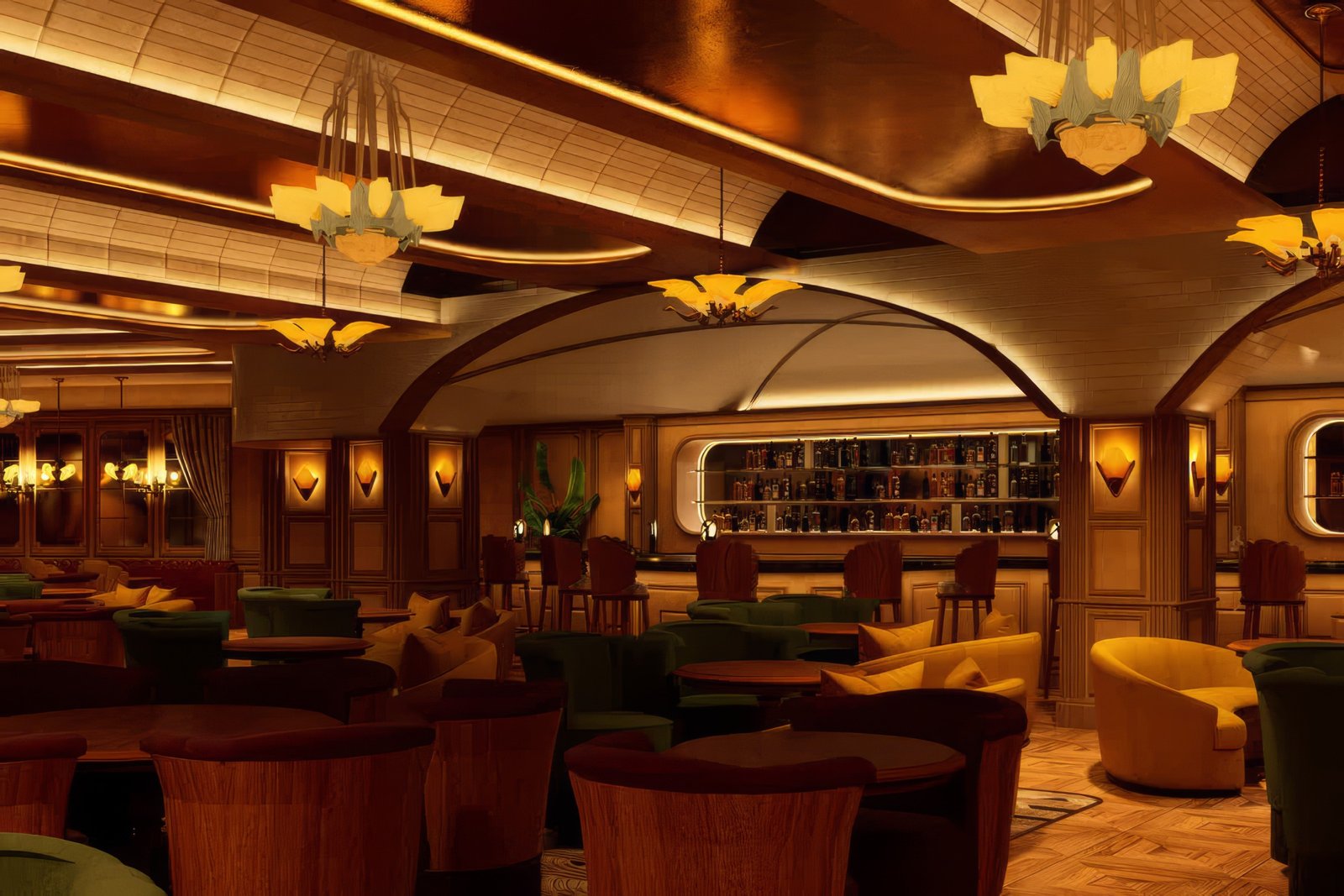
Lady Delilah occupies the underground niche between restaurant, nightclub, and lounge, the supper club format that’s part dining destination, part entertainment venue. The space runs live entertainment every single night, a programming commitment that separates it from standard restaurants playing background music. The menu, crafted by Michael Teich, the h.wood Group’s culinary director, leans into American bistro staples with what the group describes as familiar favorites. Bottle service and a full cocktail program complete the experience, the kind of setup that caters equally to dinner dates, celebration groups, and the bottle-service crowd that sustains venues like this.
Why John Terzian Saw New York First
John Terzian, co-founder of The h.wood Group, articulated the reasoning behind the New York play in terms that go beyond real estate availability. “New York has always been at the center of culture, with a rhythm and character unlike anywhere else,” he said when announcing the opening. “With Lady Delilah, we saw an opportunity to build on Delilah’s legacy while reimagining the traditional supper club experience in a way that is reflective of the creative and cultural fabric of Meatpacking.” That framing matters because it positions this not as a cookie-cutter transplant of a successful LA concept, but as a deliberate reinterpretation designed for the specific energy of the neighborhood and the city.
Meatpacking itself carries weight here. The neighborhood spent decades as an industrial meat-processing zone before transforming into one of Manhattan’s most expensive and culturally visible districts. Nightlife has always been central to that identity. By anchoring Lady Delilah in Meatpacking rather than, say, Tribeca or the Financial District, the h.wood Group is signaling that it understands the neighborhood’s DNA, the idea that this is where people go to actually go out, not where they go to be seen doing something else.
The Supper Club as Cultural Artifact
Supper clubs occupy a strange middle ground in contemporary nightlife. They’re distinct from both fine dining restaurants and nightclubs, borrowing elements from each while remaining their own category. The format allows for dining, drinking, and entertainment without requiring guests to choose between a sit-down meal and a night on a dance floor. It’s a model that appeals to a particular demographic: people with disposable income and time, who want evening experiences that feel more curated and exclusive than a regular restaurant or bar, but less purely transactional than a club.
The h.wood Group’s expansion strategy reveals something about how luxury hospitality operates in 2026. Rather than pursuing rapid franchising or licensing deals that might dilute brand value, they’re opening locations at measured intervals in culturally significant cities. Each location maintains autonomy while drawing from the parent brand’s operational playbook. Las Vegas, Miami, and Dallas all attracted the concept, but New York represented the more culturally neutral test, it’s the city where every hospitality brand wants to prove it can operate at the highest level.
What most people will miss: the underground location itself is tactical. Basements and subterranean spaces command premium pricing in Manhattan specifically because they feel rare and hidden, the aesthetic opposite of ground-floor transparency. By going below grade, Lady Delilah literally and psychologically separates itself from street-level activity. That descent becomes part of the experience, the architectural equivalent of moving from the everyday into something intentionally other. It’s the same logic that made speakeasies feel special in the first place, the act of finding something obscured heightens the perception of exclusivity.
The numbers themselves tell part of the story too. A 10,000-square-foot footprint is substantial but not warehouse-scale, the size of a venue designed for capacity that feels full without feeling packed. Combined with nightly entertainment programming and a culinary operation under Michael Teich’s direction, this is a property with high operational overhead. It’s not built to serve volume; it’s built to serve margin and experience, which is exactly the market positioning that works in Meatpacking, where the rent per square foot has long since transcended any relationship to reasonable economics and become purely about location value and brand cachet.