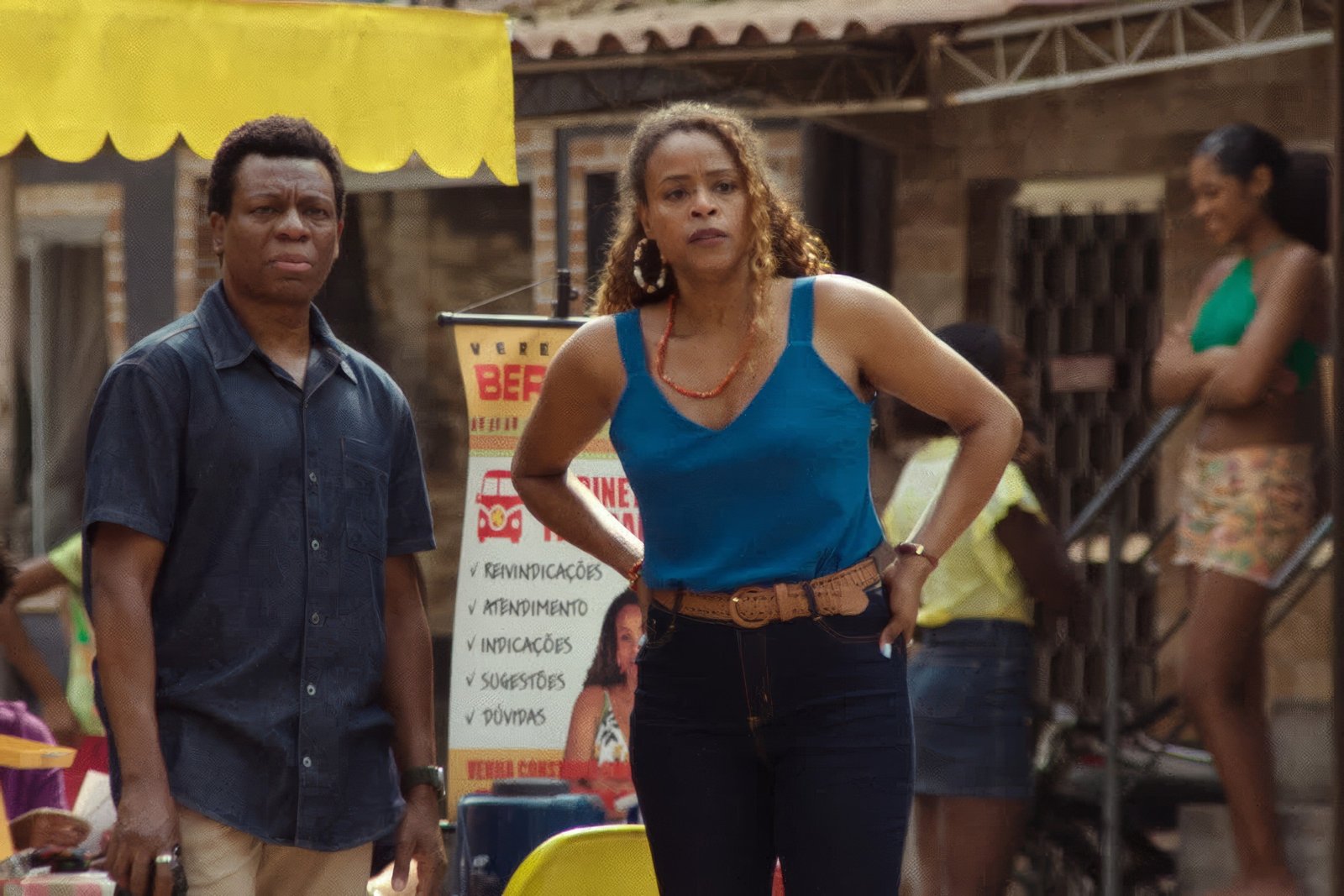
City Of God Season 2: The long-awaited sequel series to one of cinema’s greatest films arrives on HBO Max this November, reigniting the cultural conversation around Brazil’s most searing saga.
Somewhere in the sprawl of streaming’s November calendar, buried among 88 appearances of the word “Christmas” and holiday specials designed to soften the season, one title cuts through the noise with the weight of its own legend. City of God Season 2 is arriving on HBO Max, and it carries the burden of following one of the most consequential crime dramas ever committed to film.
The original City of God, Fernando Meirelles’ 2002 film, didn’t just capture Brazil’s favela violence on screen. It became the prism through which the world understood structural inequality, organized crime, and the impossible choices facing those born into warfare zones. The film moved with kinetic, almost feverish energy, introducing viewers to the Cidade de Deus slums through the eyes of kids who had no choice but to become soldiers in someone else’s war. It was nominated for four Academy Awards and spawned countless imitators, none of which came close to its raw authenticity or formal innovation.
The new season represents something ambitious: not a reboot, not a remake, but a continuation that attempts to extend that world into prestige television territory. This is where the conversation gets interesting, because the original film’s power came partly from its refusal to feel like entertainment. It was immersion. It was documentation that happened to be fiction. A serialized version, one stretched across multiple episodes and seasons, faces the peculiar challenge of maintaining that intensity while accommodating television’s natural rhythm and pacing demands.
City of God Season 2: Different From What Came Before
The original City of God film existed as a singular, perfectly constructed object. It opened with a chicken chase through the favela and built outward, layering decades of history into a 130-minute masterpiece that felt both epic and claustrophobic. It told the story of how a community descended into violence, how economic abandonment and police corruption created the conditions for young men to become kingpins before they could legally vote.
The new HBO Max iteration operates under different constraints and possibilities. Television allows for deeper character development, for following multiple threads simultaneously, for letting scenes breathe. But it also demands commercial viability, recurring viewership, and the kind of narrative hooks that keep people subscribing. Season 2’s arrival in November positions it among HBO Max’s heavy hitters this month, according to Boston.com’s coverage of streaming releases. The platform is deploying it strategically, alongside returns of established franchises and prestige projects designed to anchor subscriber engagement through the holidays and into December.
The original film operated in a space where every frame mattered because there were only so many frames. Violence existed in real time, unfiltered by commercial breaks or the need to leave audiences wanting more. Television, even premium television, operates differently. It needs you to come back next week. The question City of God: The Fight Rages On Season 2 must answer is whether that need for continuity and serialization enriches or dilutes the material that made the original so essential.
The Weight of Legacy and the Risk of Continuation
There’s a particular danger in revisiting material that has already achieved mythic status. The original City of God has had nearly a quarter-century to calcify into legend. People who haven’t seen it know about it. Its influence has spread through global cinema like water through cracks. Any continuation exists in that shadow, inherently measured against an impossible standard.
What makes this series arrival in November 2026 culturally significant isn’t just that it exists, but that it arrives at a moment when conversations around representation, storytelling authority, and who gets to tell stories about violence and survival are more fraught than they were in 2002. The original film was directed by Fernando Meirelles, a Brazilian filmmaker with his own relationship to the material. The question of who controls this narrative, whose perspective dominates, and whether a serialized version can maintain the moral and aesthetic complexity of the original becomes central to understanding what this project is attempting.
According to Boston.com’s entertainment coverage, November’s streaming calendar is dominated by holiday content and established franchises returning for new seasons, including The Gilded Age on HBO, The Lord of the Rings: The Rings of Power on Prime Video, and the fourth and final season of Yellowjackets on Paramount+. City of God: The Fight Rages On Season 2 enters a crowded field, but one where its cultural weight should ensure it commands attention among serious viewers and critics willing to engage with the material on its own terms.
The series’ arrival marks a moment when Brazil’s favela narratives, once exotic and distant for global audiences, have become part of mainstream streaming culture. That shift carries its own implications, both for how these stories get told and what happens to them once they enter the machinery of prestige television distribution. Season 2 will be watched, analyzed, and compared to its legendary predecessor. Whether it justifies that comparison or struggles under it remains the only question that actually matters.