Kanal Museum Brussels: A decommissioned Citroën factory becomes the continent’s most ambitious cultural conversion, transforming industrial Brussels into a destination for contemporary art and design.
On November 28, Kanal Museum Brussels opens as a cultural landmark that rewrites the city’s postindustrial narrative. Housed in a former Citroën car manufacturing plant in central Brussels, Kanal is opening as Europe’s largest museum dedicated to modern and contemporary art and architecture. This isn’t a renovation in the traditional sense. It’s a complete recalibration of a 20th-century industrial site into a space built to hold the continent’s most ambitious exhibition and commission program.
Kanal Museum Brussels and the Shift From Factory to Cultural Venue
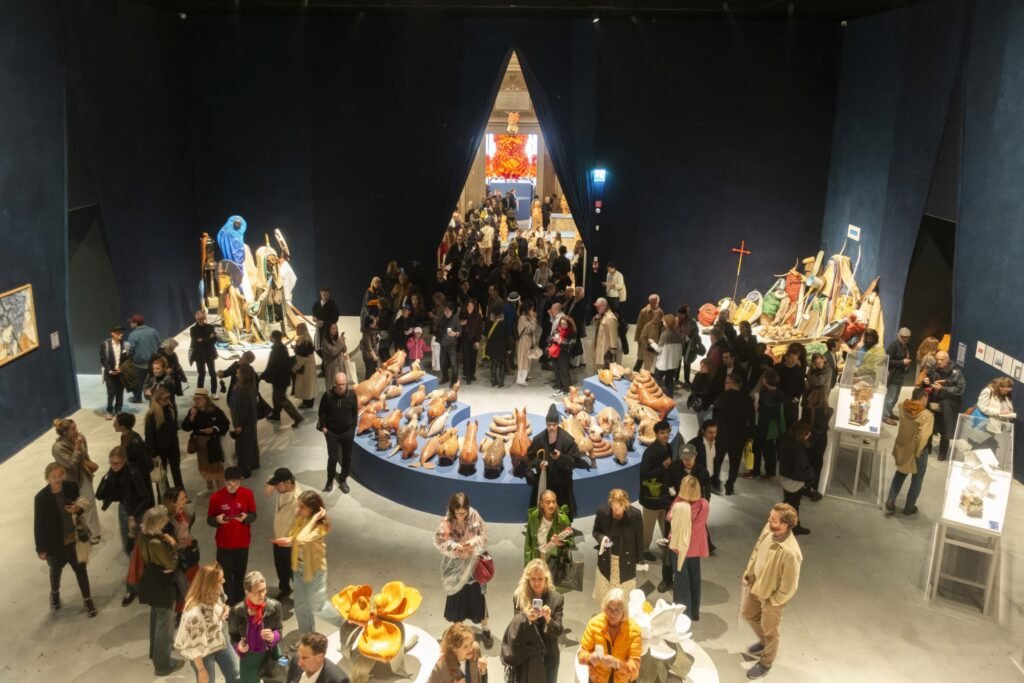
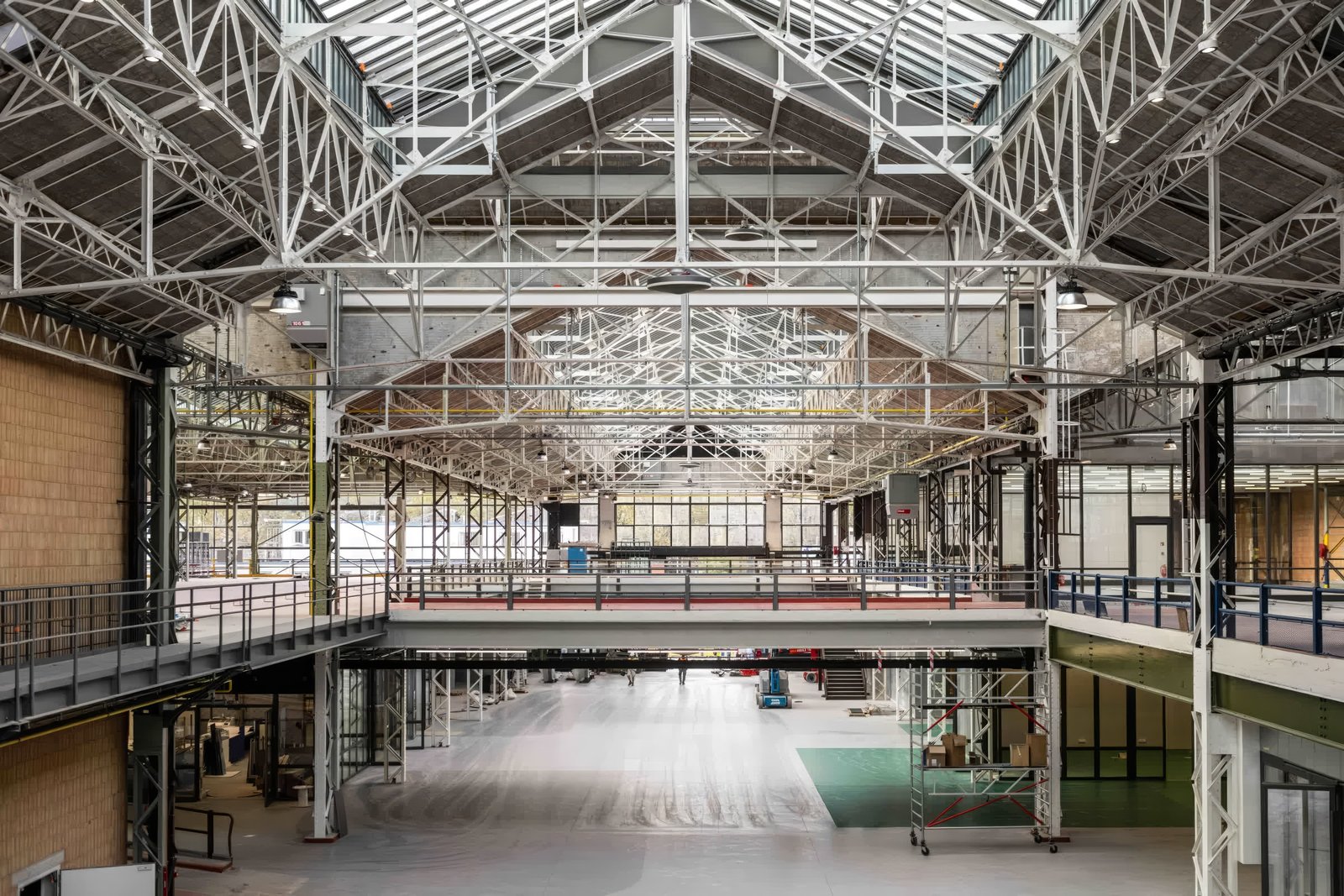
The building itself carries the weight of its own history. The Citroën plant operated as one of Europe’s major automotive production facilities before shifting toward cultural use. Now it’s been reimagined as a sprawling venue capable of housing permanent collections, rotating exhibitions, and large-scale architectural and artistic commissions. The scale alone signals ambition: this is a museum built not for efficiency but for immersion, with enough space to present art in ways that smaller institutions simply cannot match.
What makes Kanal distinct isn’t just size. According to World Architecture, Atelier Kanal has designed the transformation as a museum of modern and contemporary art and architecture, meaning the building’s own form and history become part of the curatorial conversation. Visitors aren’t just looking at art; they’re experiencing it within a space that embodies industrial heritage, European design culture, and contemporary museum philosophy all at once.
The Brussels Cultural Shift
Brussels has never been a city known for splashy cultural superlatives. It’s historically positioned itself as the seat of European governance and administrative power, with cultural institutions playing a secondary role. Kanal changes that calculation. By converting an industrial site in the city’s central districts, the project signals a deliberate turn toward cultural tourism and creative economy investment. The timing matters too: 2026 is shaping up as a landmark year for major museum openings across Europe and North America, with significant projects debuting in Los Angeles, London, and Memphis. Kanal’s November 2025 opening actually positions Brussels ahead of many of these competing institutions.
The site itself, occupying a former Citroën factory, comes with symbolic weight. Brussels built its 20th-century identity partly on automotive manufacturing and industrial production. Converting that space into a museum of modern and contemporary art represents a full-circle narrative about postindustrial European cities: the factories that once drove economic output now become the containers for cultural capital. It’s a shift that other cities have attempted, but rarely at this scale or with this level of architectural commitment.
What Gets Overlooked
Most coverage of Kanal will focus on the building’s size and its status as Europe’s largest modern art museum. What tends to get missed is the curatorial philosophy it enables. By being the largest institution of its kind on the continent, Kanal effectively reshapes what a European modern art museum can present. Smaller institutions often compete for the same traveling exhibitions and high-profile loans. A museum this scale can hold multiple major exhibitions simultaneously, commission large-scale works that require significant spatial real estate, and present comprehensive retrospectives or thematic surveys that justify the journey to Brussels itself.
The architectural dimension also deserves more attention than it typically receives. Atelier Kanal didn’t just drop a glass and steel contemporary museum building inside a factory shell. The firm has treated the conversion as an architectural project in its own right, meaning the structure’s form, materials, and spatial logic are themselves part of what visitors will experience. This approach distinguishes Kanal from museums that treat their buildings as neutral containers for art. Here, the museum building is part of the cultural proposition.
There’s also the question of what this means for Brussels as a European destination. The city competes for cultural tourism primarily on its medieval core, its beer culture, and its position as the administrative capital. Kanal adds a third pillar: contemporary culture and design. For collectors, curators, and culture-focused travelers, this new opening creates a reason to spend time in Brussels beyond the tourist circuit. It’s a rebranding that happens through architecture and programming rather than marketing.
As of November 28, Kanal is live. The building that once pushed stamped metal and assembled engines will now push the boundaries of how European institutions present art and architecture.