The Royal Academy reunites 80 artworks from Guggenheim Jeune, the trailblazing gallery that shaped modernism before World War II scattered its legacy.
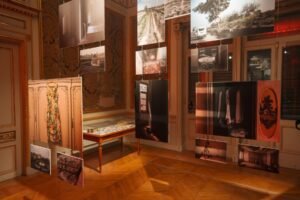
In November, the Royal Academy of Arts in London will stage one of the season’s most consequential art history events: a full reconstruction of Guggenheim Jeune, the experimental gallery that Peggy Guggenheim operated in the British capital during the 1930s. The exhibition brings together approximately 80 artworks that have not been shown together since the gallery shuttered in 1939, when the shadow of World War II forced Guggenheim to flee Europe and eventually relocate to New York.
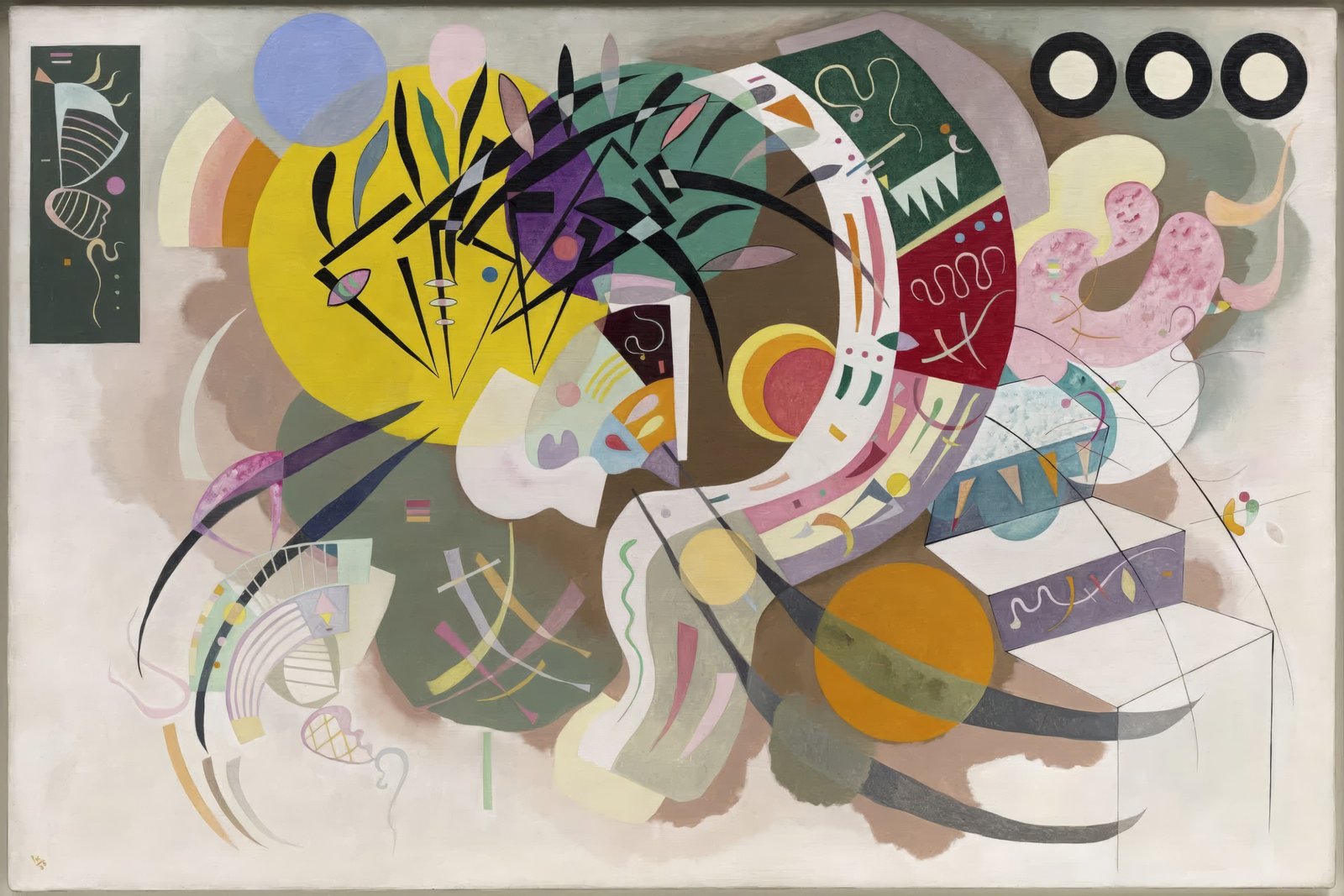
Guggenheim Jeune was never a traditional commercial space. Operating from 1938 to 1939 at 30 Cork Street in London’s Mayfair, it functioned as a laboratory for avant-garde practice at a moment when modernism was still fighting for legitimacy in Britain. The gallery showed work by artists who would define the twentieth century: sculptures and paintings cycled through its modest rooms with a curatorial vision that prioritized risk over market comfort. Guggenheim’s personal collection, assembled with the help of advisors and artists themselves, reflected her conviction that art history was being made in real time and that her role was to document and champion it.
The Cork Street location became a social and intellectual hub. Artists, collectors, and intellectuals gathered there to encounter work that challenged convention. For fourteen months, the space operated as a kind of cultural outpost, introducing London audiences to artistic directions that the establishment had largely ignored. When Guggenheim closed the gallery and left Britain in 1939, the dispersal of works that had occupied those walls began a fragmentation that would last generations. Many pieces entered private collections or museum holdings on different continents. The works themselves survived the war, but their unity as a collection, as a statement of curatorial intent, dissolved.
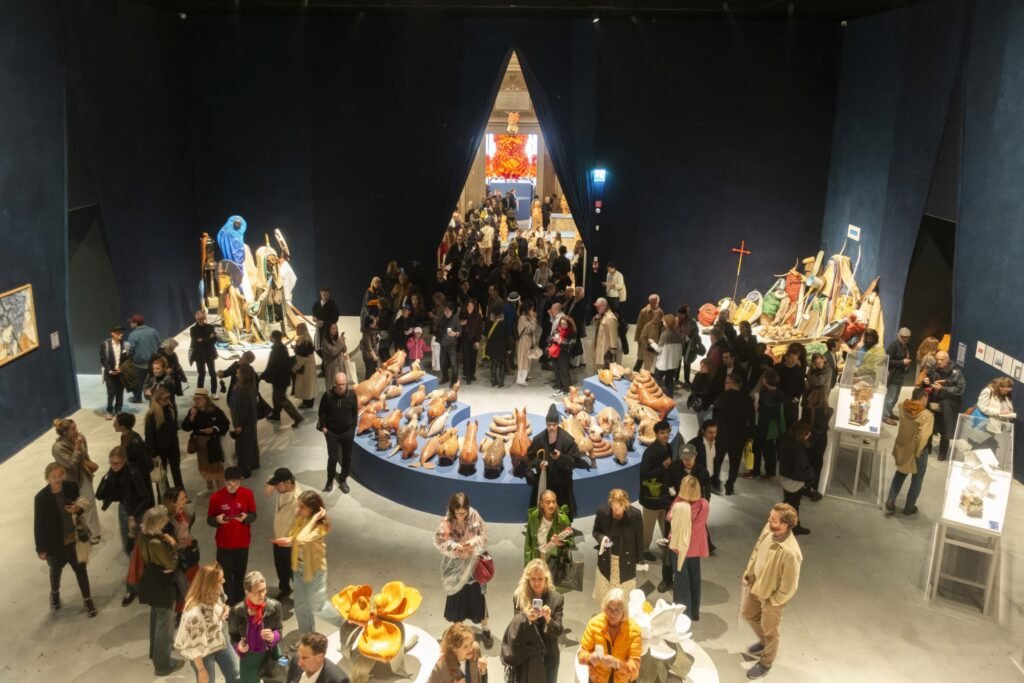
This November exhibition represents the first opportunity in more than eight decades to see these 80 artworks as Guggenheim arranged them. The curatorial effort required identifying works across museums and private collections worldwide, then bringing them back to London for reunion. The symbolic weight is substantial: it allows viewers to experience the gallery not as a historical footnote but as a living archive, to walk through the same aesthetic decisions that Guggenheim made at a moment when fascism was rising and the art world was fracturing.
For collectors, scholars, and those who follow art history as cultural narrative, the exhibition offers an unusual vantage point. Rather than examining Guggenheim’s later influence through her more famous New York gallery or her museum in Venice, this show focuses on her earlier curatorial work, when she was still building her eye and her conviction. It is a chance to see which artists she prioritized when options were unlimited and stakes were high. The selection itself becomes a historical document: a portrait of which voices mattered most to one of the twentieth century’s most consequential tastemakers at the precise moment she decided they did.
The Royal Academy’s decision to reconstruct Guggenheim Jeune responds to a broader reassessment of mid-century women collectors and curators whose contributions have been historically undervalued. By presenting the gallery in full, the exhibition positions Guggenheim not merely as a patron or a vessel for others’ ambitions, but as an artist-selector whose eye shaped modernism’s trajectory. In November, London will see Cork Street as it was in 1939, before the war scattered everything and before history rewrote the story.