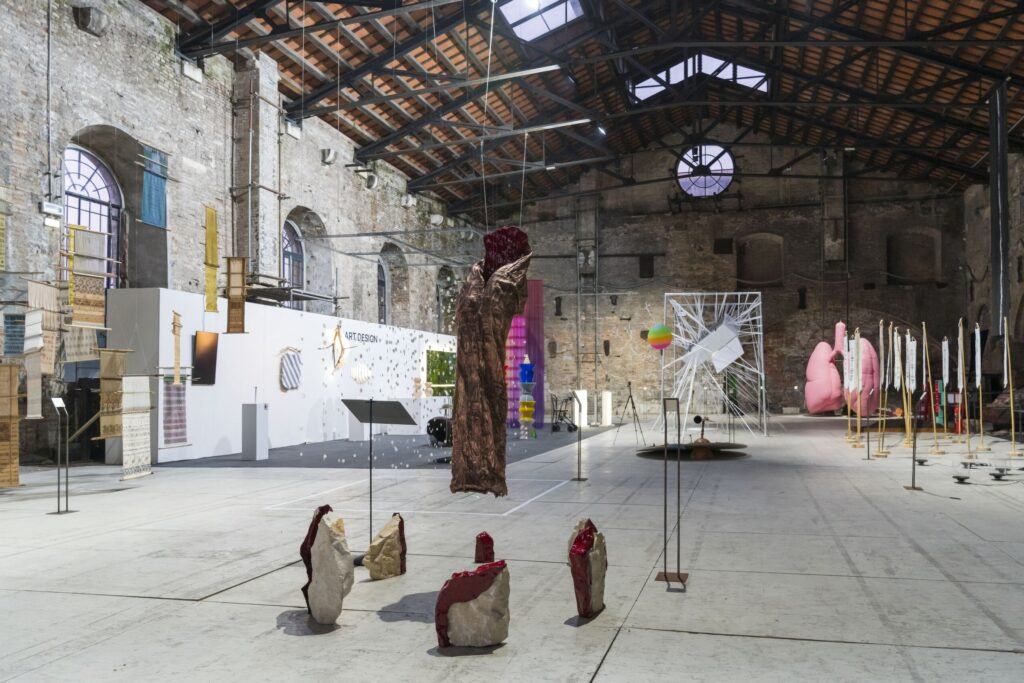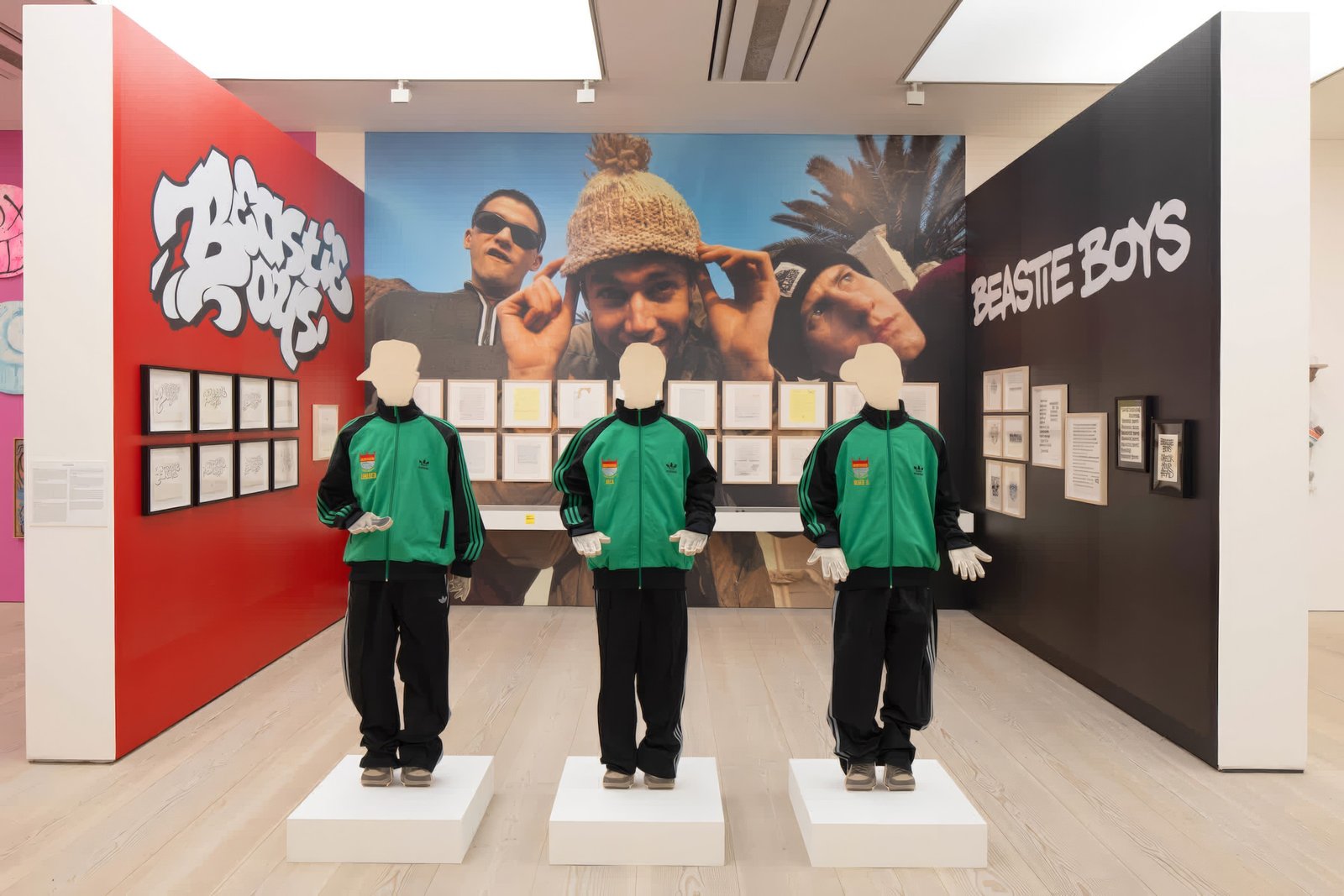
Beyond The Streets Saatchi Gallery: The street art world’s most prestigious exhibition brand arrives in Chelsea this November, bringing underground culture to one of London’s most coveted art spaces.
Beyond the Streets at Saatchi Gallery has become shorthand for the moment when street culture stopped apologizing for itself and started filling gallery walls that used to reserve space for old money and marble busts. The brand, which has built its reputation on staging definitive exhibitions that treat aerosol art, poster culture, and urban expression with the same curatorial weight as any contemporary gallery darling, is now setting up its largest UK operation to date at the Saatchi Gallery in Chelsea.
The exhibition represents a significant shift in how London’s art establishment treats street and urban culture. The Saatchi Gallery, located in the heart of Chelsea, has long been a bellwether for what qualifies as serious contemporary art. Its decision to host Beyond the Streets signals that the conversation around street art has fundamentally changed. This isn’t about edgy credibility anymore. It’s about institutional validation at the highest level.
What makes Beyond the Streets different from the typical street-art-goes-mainstream exhibition is its curatorial rigor. The brand doesn’t simply warehouse famous names and Instagram-ready pieces. Instead, it contextualizes street culture within art history, connecting contemporary urban artists to historical movements, examining the evolution of techniques, and treating the culture as a legitimate artistic lineage rather than a novelty moment. The result feels less like a novelty show and more like a retrospective of a movement that’s been reshaping visual culture for decades.
The Chelsea location is particularly loaded with cultural weight. Chelsea has historically been where London’s art world congregates, where galleries launch careers and where collectors make decisions that ripple through the market. By claiming this territory, Beyond the Streets is essentially saying that street culture has moved from the margins to the center, and the city’s most traditional art spaces are acknowledging it.
What often gets overlooked in these institutional moments is how street culture’s shift into galleries has changed the work itself. Artists who might have once operated entirely outside the system now have to consider how their pieces will read in white-box spaces, under professional lighting, next to texts and historical context. It’s not about selling out, necessarily. It’s about a generation of artists who’ve been trained to think about their work in multiple contexts simultaneously, whether that’s a brick wall in Brooklyn, an Instagram feed, or a Saatchi Gallery wall.
The timing of the November 2026 opening positions the exhibition at the tail end of what’s been a particularly active period for street and urban art globally. Museums worldwide have been mounting major shows, auction houses have been moving these artists into higher price brackets, and collectors have been treating street artists with the same intensity they once reserved for contemporary painters. Beyond the Streets arriving in London at this moment feels less like a breakthrough and more like documentation of a shift that’s already happened.
For anyone tracking how culture moves from underground to establishment, the Beyond the Streets exhibition at Saatchi Gallery is the clearest possible signal. The opening represents the point at which a cultural movement stops being marginalized and becomes history. Street art didn’t compromise to get here. The institutions just finally caught up.