
Bétyle Studio transforms a windowless 19th century structure into a glowing private retreat.
Preserving History Without New Openings
In Marseille, Bétyle Studio has converted an agricultural outbuilding dating back to 1820 into a compact 45 square meter home known as Le Figuier. With original limestone rubble walls that were both windowless and structurally delicate, the designers chose not to introduce new openings. Instead, they developed an internal architectural core made from timber and glass, set within the existing shell to define the home’s office, bedroom, and circulation spaces while leaving the historic envelope untouched.
Light, Material, and Atmosphere
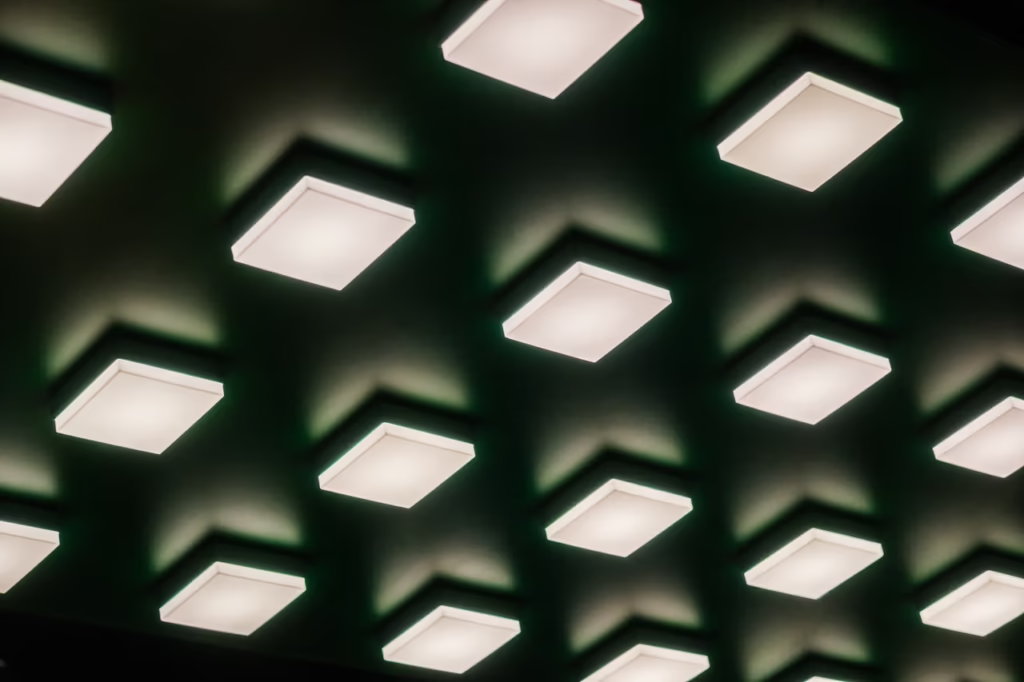
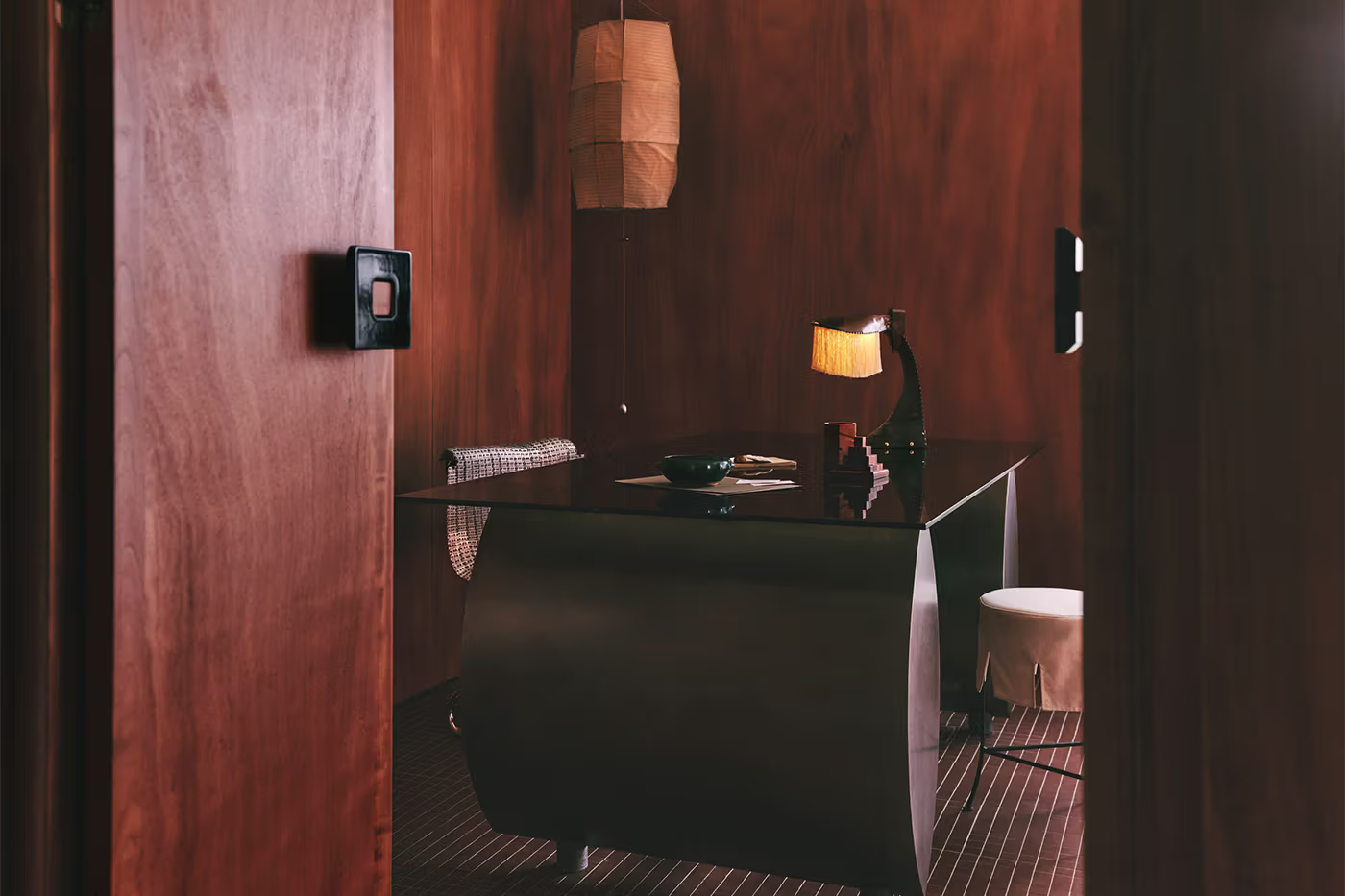
The interior is shaped by a rich material palette that includes deep red stained okoumé wood and warm stoneware tiles inspired by traditional Marseille terracotta. To address the lack of natural light, a band of sandblasted glass bricks lines the upper edges of the central structure. These bricks softly diffuse daylight across the interior and create a lantern like glow after dark, maintaining privacy while enhancing atmosphere.
Bespoke Details Rooted in Place
Custom craftsmanship defines every element of Le Figuier, from furniture and lighting to architectural hardware designed specifically for the space. Subtle references to the building’s agricultural past appear throughout, including a stainless steel vanity inspired by feeding troughs and repurposed farm hooks used as wall pegs. A handmade wooden bed base featuring a star shaped inlay adds a symbolic touch, referencing the baetyl stone that inspired the studio’s name.