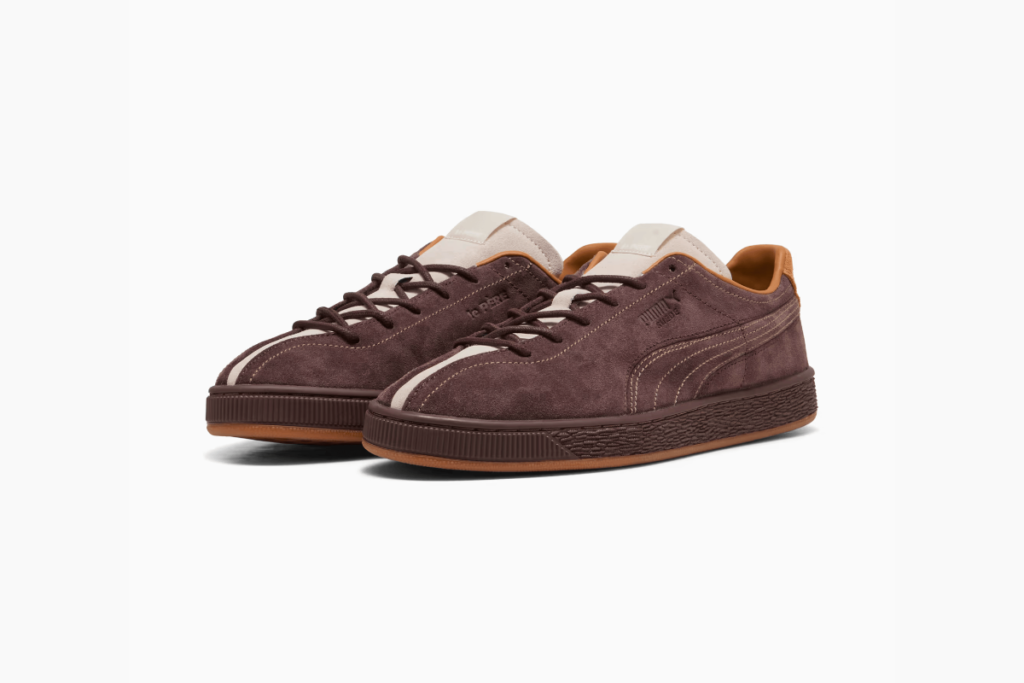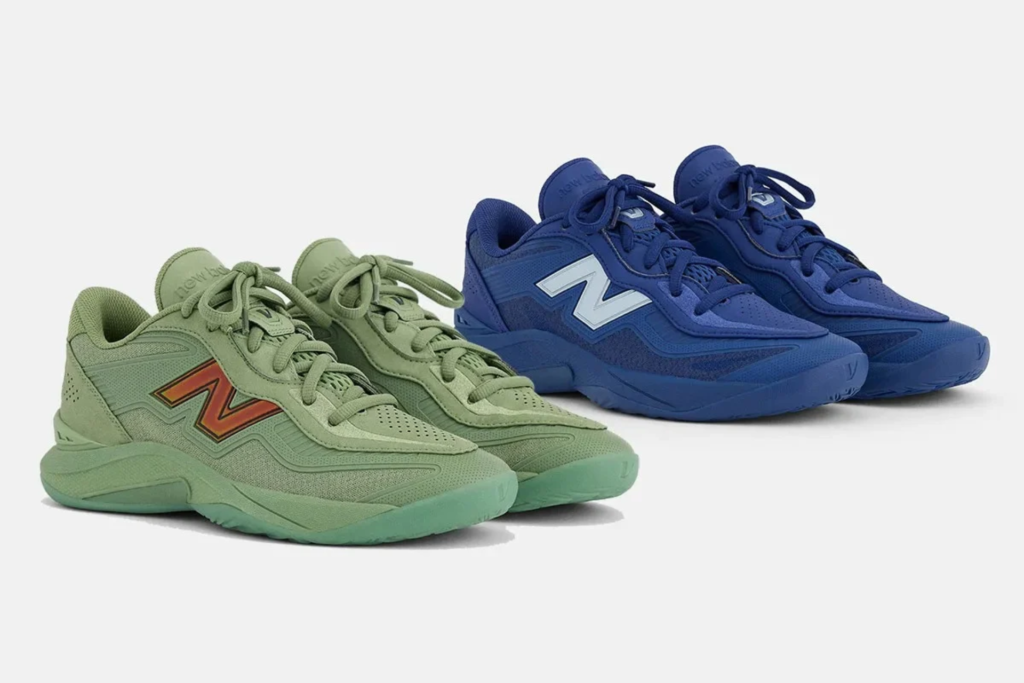
Trail runners and technical shells have become the default summer street uniform, with performance brands outpacing fashion houses in cultural currency.
When Function Became Fashion
Gorpcore, that aesthetic fusion of hiking gear and street style that seemed destined to remain a niche enthusiast thing, has officially saturated the culture. Walk down any major metropolitan street this summer and you’re seeing Salomon XT-6s, HOKA Clifton runners, and ripstop technical shells worn not by climbers heading to Moab but by creative directors, musicians, and Instagram influencers heading to brunch. The shift isn’t subtle anymore. Performance footwear and utility clothing have stopped being ironic statements and become the actual uniform, a wholesale replacement of the luxury sneaker aesthetic that dominated the 2010s.
What makes this moment different from past outdoor wear trends is the speed and totality of the infiltration. These aren’t heritage-adjacent retro pieces being repackaged by fashion designers. Salomon and HOKA are still primarily making shoes for actual runners and hikers, yet their pieces are now read as immediately legible status symbols in metropolitan streetwear culture. The brands didn’t pivot to appeal to street fashion; street fashion pivoted to embrace what they were already doing.
The Salomon and HOKA Takeover
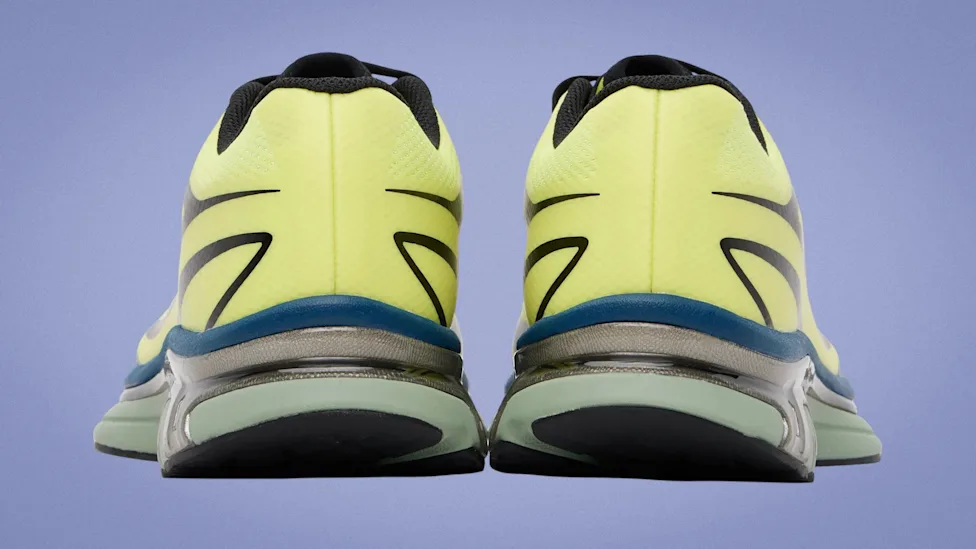
Salomon’s XT-6, a technical trail runner that looks like it was designed for alpine scrambling, has become the most visible symbol of this transition. The shoe’s chunky lug sole, its multidirectional design, and its almost aggressively functional aesthetic signal an entirely different value system than the minimalist, luxury-coded silhouettes that held sway five years ago. HOKA’s Clifton line, with its distinctive oversized midsole geometry and maximalist ethos, operates similarly. These aren’t shoes designed to disappear into a monochrome fit. They announce themselves, loudly, as performance objects first.
What’s fascinating is that both brands have maintained their engineering-first identity even as they’ve become cultural fixtures. They haven’t abandoned hiking enthusiasts to chase fashion; instead, they’ve benefited from a broader cultural reassessment of what authenticity and function actually signify in 2024. For a generation skeptical of pure luxury branding, shoes engineered to handle rocks and elevation gain feel more honest than anything leather goods and logo placement can offer.
The Technical Shell Moment
Beyond footwear, the visibility of technical shells and ripstop outerwear in non-outdoor contexts represents another seismic shift. These pieces, once relegated to Alpine hikers and packrat preppers, are now styled as primary layering in warm weather. Arc’teryx’s shell jackets appear at gallery openings. Patagonia technical pieces show up at streetwear shows. The practical advantages, weather resistance, durability, minimal bulk, are being redefined as aesthetic virtues rather than purely functional necessities.
This signals a broader cultural turn toward utility as luxury. Where 2010s streetwear celebrated conspicuous branding and logo saturation, 2024’s street uniform celebrates inconspicuous technical innovation. A gore-tex membrane you can’t see but that functions flawlessly reads as more premium than visible stitching or embroidered branding ever could.
Why Now
The timing isn’t accidental. A generation priced out of traditional luxury has developed a counter-aesthetic based on functionality and longevity. Gorpcore’s ascent also maps directly onto the mainstreaming of outdoor recreation itself, as younger people reclaimed hiking and camping as primary leisure activities during and after the pandemic. The street uniform became what you actually wore, because you were actually wearing it.
Climate anxiety likely plays a role as well. There’s something psychologically grounded about dressing in gear designed to handle actual environmental stress. Technical apparel implies preparedness, self-sufficiency, and a practical rather than purely aspirational relationship to one’s clothing.
What’s Next
The question now is whether gorpcore maintains its street credibility or becomes just another trend cycle for fashion brands to capitalize on before moving on. The answer probably depends on whether Salomon and HOKA remain engineering-led or whether they start chasing fashion collaborations and aesthetic pivots. For now, their refusal to fully aestheticize their products is precisely what gives them cultural authority. In a landscape dominated by irony and reinvention, function remains the most transgressive statement available.