Explora Torres Del Paine: Explora plants its most remote flag yet with a new Chilean Patagonia property, trading five-star amenities for genuine wilderness immersion.
The luxury travel industry’s obsession with accessibility has finally met its match. While hotel groups continue racing to plant flags in every major city and accessible destination on the map, Explora Torres del Paine has taken the opposite approach: they’ve just opened a property so remote and wild that it essentially demands you commit to leaving civilization behind entirely.
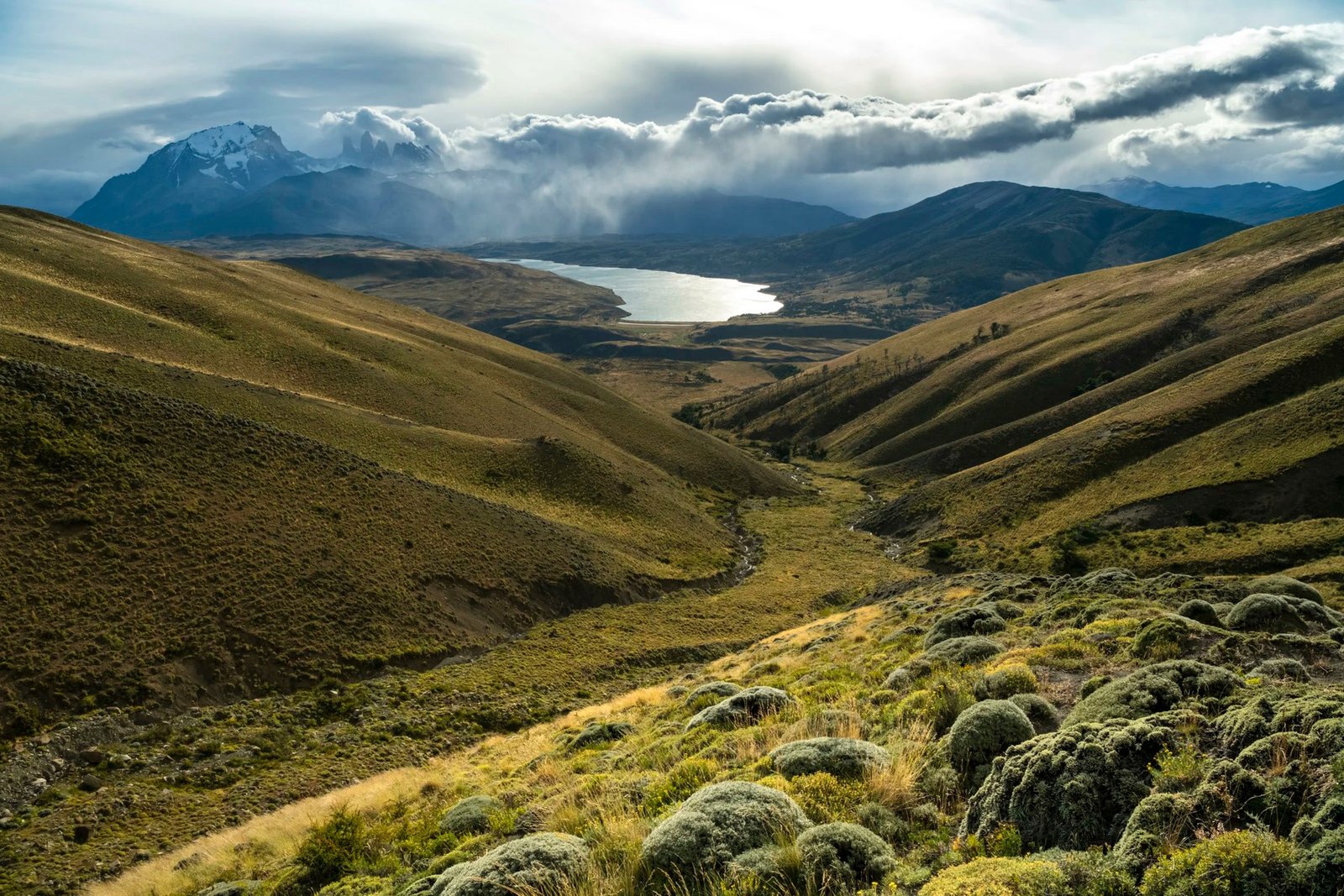
Explora Torres del Paine, the brand’s newest addition to its collection of ultra-luxury lodges, sits within a 15,000-acre private conservation reserve in Chilean Patagonia. This isn’t a hotel that happens to be near nature. This is nature with a hotel inside it, a distinction that matters enormously when you’re talking about where the ultra-wealthy are choosing to spend their time and money right now.
Understanding Explora Torres del Paine’s Ultra-Remote Luxury Strategy
The 10-room lodge represents a calculated bet that there’s still an audience willing to trade marble lobbies, Michelin-starred restaurants, and room service for something more primal. Explora has built its reputation on this exact proposition since 1990, when they opened their first property in the Chilean Atacama Desert. Torres del Paine continues that philosophy, but with an even fiercer commitment to isolation.
The property sits in one of South America’s most dramatic landscapes, where peaks exceed 3,000 meters and the terrain shifts dramatically with the wind patterns that define Patagonia’s personality. This is the kind of place where weather becomes a central character in your stay, where wildlife sightings feel genuinely spontaneous rather than choreographed, and where your ability to unplug isn’t optional but unavoidable.
What Explora Is Actually Selling
The lodge isn’t revolutionary from an architectural standpoint, but it’s intentionally restrained. Ten rooms means no convention center, no spa wing trying to replicate the Four Seasons formula, no filler. Guests here are paying for access to guided excursions through the private reserve, for meals prepared with regional ingredients, for the kind of hospitality that only works when your property can maintain intimate operations.
This is part of a larger shift in how luxury hospitality is being conceived among the genuinely wealthy. While mainstream luxury hotel companies continue adding rooms and properties, trying to reach broader audiences, the most exclusive operators are doing the inverse: they’re shrinking properties, limiting access, and tying their value proposition directly to scarcity and genuine experience rather than amenity checklist. Explora has recognized that there’s a market willing to pay premium rates specifically for the absence of mass tourism infrastructure.
The Conservation Angle That Actually Matters
Opening inside a 15,000-acre private reserve means Explora isn’t just marketing conservation as a talking point. The property’s entire existence is contingent on the preservation and proper management of that land. Guests aren’t visiting Torres del Paine despite it being undeveloped; they’re visiting because it’s undeveloped.
This model scales differently than traditional luxury hotel expansion. You can’t build ten identical Torres del Paine properties. The entire value collapses if you do. Explora’s portfolio works precisely because each property is irreproducible, tied to specific geographies and conservation arrangements that can’t be replicated. It’s the opposite of the global hotel chain play where the brand becomes portable and reproducible across markets.
The opening arrives at a moment when luxury travel is bifurcating sharply. On one end, conventional luxury chains continue their aggressive expansion into every viable market, chasing incremental growth and broader demographics. On the other end, operators like Explora are building a parallel system entirely, one where scarcity, isolation, and genuine environmental uniqueness have become the primary draw. Torres del Paine isn’t competing in the same market as the hotels opening in Rome, Palm Beach, or London this year. It’s operating in an entirely different luxury ecosystem, one where ten rooms in Chilean Patagonia registers as a headline because the whole point is that there won’t be a hundred rooms. The brand has identified a narrow but wealthy audience that sees that restraint as the entire appeal.