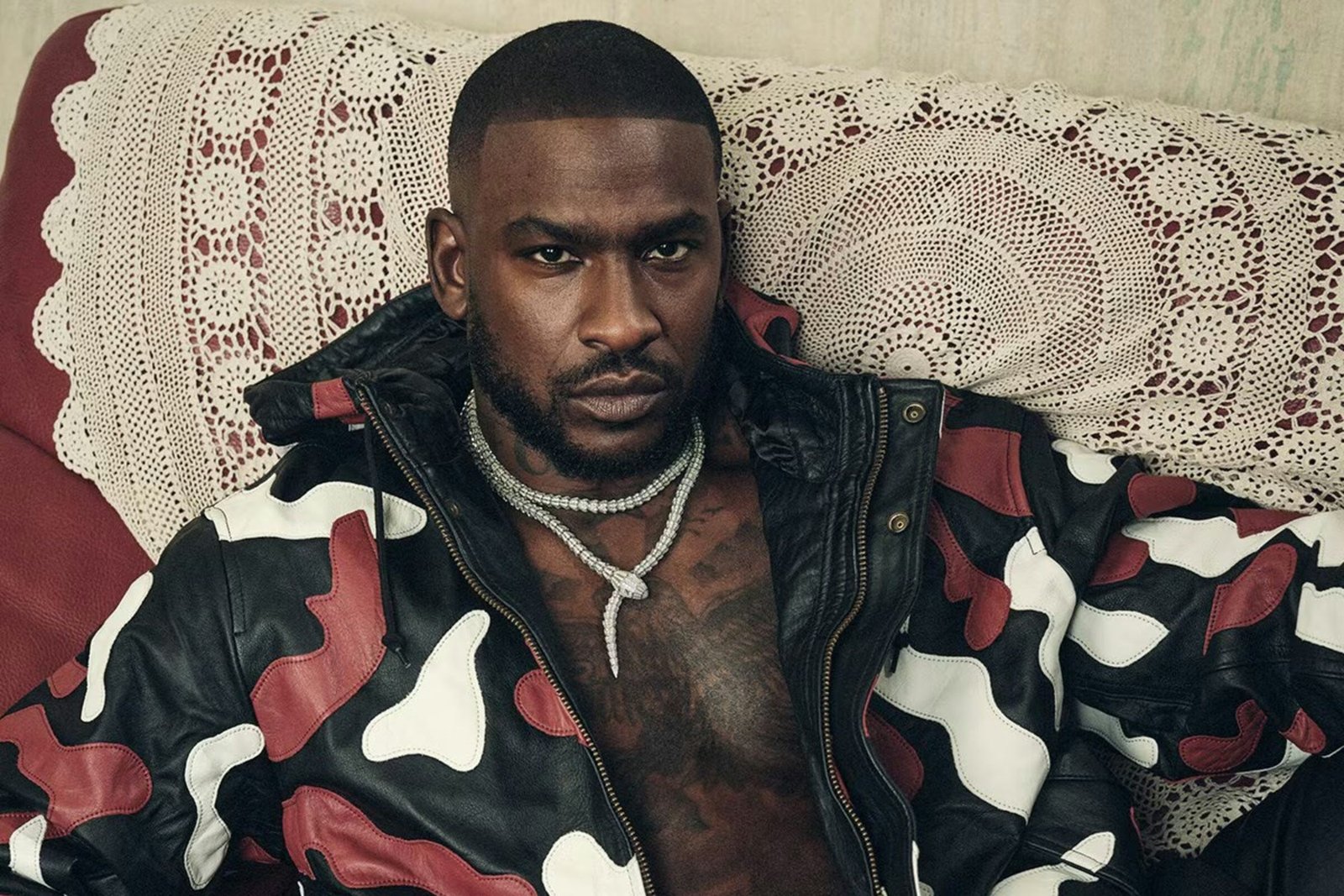
Skepta Sony Music: Grime’s elder statesman moves to a major label, signaling both commercial ambition and a potential shift in how UK rap reaches global audiences.
When an artist of Skepta’s stature shifts labels, it matters. Skepta and Sony Music have announced a major deal, with the London MC who spent years building grime from underground cypher culture into a genuinely international sound now signed to the major label and releasing his album ‘The Fork and Knife’ into what feels like a fundamentally different music industry than the one he helped reshape in the 2000s and 2010s. This isn’t a desperate grab for relevance or a golden-years retrospective. It’s a calculated move by someone acutely aware of where power and distribution actually live today.
Skepta has never been a purist. His entire career has been built on contradictions that somehow work: he’s been fiercely London while collaborating with American producers; aggressively independent while chasing mainstream validation; a grime fundamentalist who sampled everyone from Wiley to dancehall while producing tracks for Drake and Pharrell. That tension created the best music of his life, particularly on albums like ‘Konnichiwa’ in 2016, where he threaded the needle between underground credibility and genuine pop appeal. The Sony deal doesn’t erase that history. It just acknowledges that the landscape has shifted enough that staying outside the major label system now requires a different kind of argument than it did a decade ago.
What ‘The Fork and Knife’ represents is worth parsing carefully. The album title itself suggests something both domestic and sharp, a tool for cutting through noise. For Skepta, that noise has only gotten louder. UK rap and grime have fractured into a dozen micro-genres, each with its own platform gatekeepers and sonic rulebook. Meanwhile, the original generation of grime MCs who could actually move the needle has either gone quiet, retreated into nostalgia cycles, or reinvented themselves so thoroughly that they’re barely recognizable. Skepta hasn’t done either. He’s been selective, restless, and largely absent from the algorithm-chasing that dominates contemporary music. A Sony deal, properly executed, gives him the infrastructure to actually be heard again at scale without compromising the fundamental skepticism that made him matter in the first place.
The commercial calculus here is straightforward. Major labels now understand that credibility is a commodity, particularly in hip-hop and its adjacent genres. They’re willing to let artists like Skepta operate with significant creative autonomy precisely because his reputation for not playing the game is part of what makes him valuable. Sony isn’t signing Skepta to turn him into a TikTok fixture or force him onto a pop crossover track with a featured vocalist from some other monoculture. They’re signing him because his core audience is older, wealthier, and more algorithmically resistant than the average streaming listener. Those listeners still buy things. They still support artists through streaming in ways that matter. And they trust Skepta specifically because he’s maintained a stance of irreducibility throughout his career.
The question isn’t whether this is a betrayal of grime’s underground ethos. That conversation is exhausted. The real question is whether Skepta still has something to say that justifies this level of institutional support. His absence from the conversation in recent years hasn’t been accidental. He’s been less visible than peers like Wiley or Dizzee Rascal, less prolific than younger London rappers who’ve built entire careers in the time Skepta was out of the spotlight. The Fork and Knife needs to prove that his silence was strategic rather than stale. That it came from someone still thinking in real time about what grime means and where it can still generate heat, rather than someone mining the archive for another gold rush.
What a Sony partnership actually enables for Skepta is distribution and credibility at exactly the moment when both matter differently than they did five years ago. The streaming wars have consolidated. Radio is functionally useless for UK rap. TikTok is secondary to the core listening patterns of his audience. Skepta’s deal with Sony Music positions him not as a relic chasing relevance, but as an artist still capable of moving the conversation forward on his own terms.