Fela Kuti Rihanna Dior: The first African-born artist inducted into the Rock & Roll Hall of Fame gets his moment amplified through a luxury campaign that understands exactly what his 1972 masterpiece was really about.
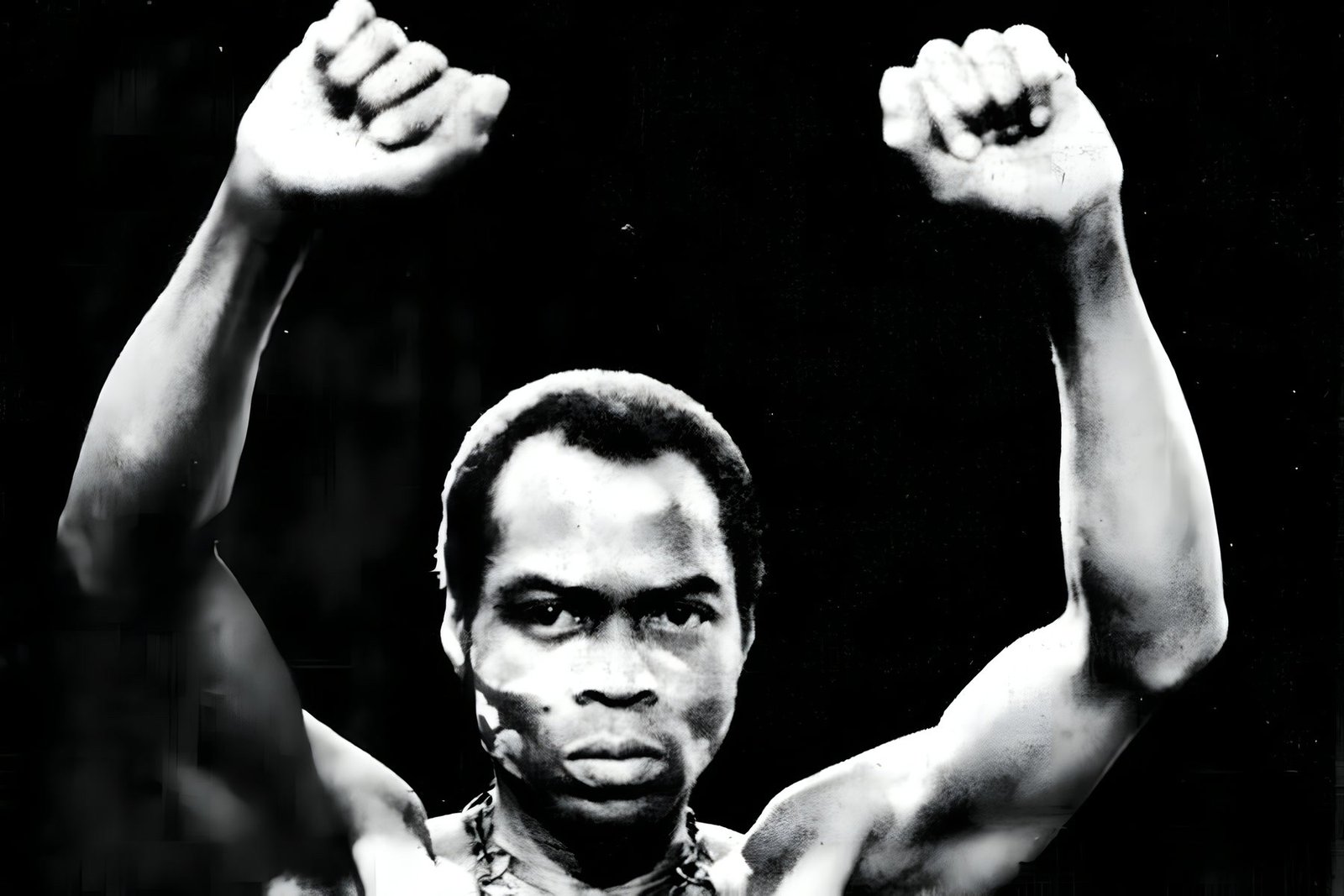
Fela Kuti took the stage at the Peacock Theater in Los Angeles on November 14 as the first African-born artist ever inducted into the Rock & Roll Hall of Fame. He didn’t collect the award himself, but the recognition arrived with a symbolic weight that the music industry had sidelined for far too long. His Early Influence Award was overdue, yes, but what makes this particular moment electric is what happened almost simultaneously in the fashion world: Rihanna’s new Dior campaign, featuring Fela Kuti’s music and shot by Sam Rock under creative director Jonathan Anderson, opened with Fela’s voice.
The 2027 Lady Dior campaign runs to the soundtrack of “Lady,” Fela’s 1972 classic from the album Shakara. It’s the first time Rihanna has fronted a campaign for Dior’s signature handbag, and it marks Rocki Irish Mayers, her one-year-old daughter, in her debut for the house. In one black-and-white frame, Rihanna presses a kiss to her daughter’s forehead. Rocki wears a miniature leather jacket matching her mother’s, with the quilted Lady Dior bag positioned at Rihanna’s side. Fashion coverage has largely glossed over the soundtrack choice, but that omission misses the entire point of why this pairing works.
Understanding Fela Kuti’s Message in Lady
To understand Fela, you have to understand what he was building: a philosophy rooted in African customs and African ideals. Through his compositions, he moved the native African perspective from the margins to the center, the core of his Pan-Africanism. In “Lady,” he applied that philosophy directly to the home, to the African woman herself. The song opens with a simple observation: a woman has received a colonial, Western education, and it has changed how she sees herself. Call her a woman and she refuses. She is a lady. “If you call am woman, African woman no go gree,” Fela sings. “She go say, she go say I be lady o.”
That distinction carries the weight of a revolution. The word “lady” is not a demotion in her mind; it’s a promotion. She is not the downtrodden figure of the old order. She does not salute men. She will sit in the same chair the man sits in. She will not wait for anyone before she sits at the table, and she will not wait for anyone before she takes her piece of meat. That meat matters. In many African households, it is the woman who serves. When the family eats from a shared bowl, the patriarch eats first and chooses the biggest piece. A woman who reaches for it before anyone else is making a statement about her place in the world.
The Dior Campaign as Continuation
Fela isn’t condemning her in the song. He is describing what the post-colonial, Western-educated African woman has become, and what she remains. Because for all her new education and manners, Fela will not let her forget where she comes from. “Call am for dance,” he sings, “she go dance lady dance. African woman go dance, she go dance the fire dance.” Whatever her colonial schooling has taught her to call herself, she is still an African woman.
Nigeria in 1972 was remaking itself. The civil war had ended barely two years earlier, oil money was beginning to flow in, and General Yakubu Gowon’s military government held power. Into that Nigeria, Fela released “Lady,” and the song became a portrait of a specific woman at a specific historical moment, navigating the collision between African identity and Western influence.
Rihanna, a mother and diasporic activist in 2027, answers that same question with her own image. The campaign doesn’t just use Fela’s music as atmospheric accompaniment. It understands the song’s actual argument: that an African woman can claim global sophistication, luxury, and power without surrendering her roots. She can wear Dior, carry the Lady Dior, teach her daughter to do the same, and remain exactly who she is. The campaign is shot in black and white, austere and intimate, grounding the moment in something that feels neither pure nostalgia nor pure modernity, but a continuous conversation across generations.
The timing of Fela Kuti and Rihanna’s convergence, the Rock Hall coronation alongside the Dior campaign, marks a cultural moment where African identity, luxury, diaspora, and maternal legacy finally occupy the same frame. What began as a 1972 observation about the post-colonial African woman has become a 2027 statement about power, heritage, and refusal. Fela Kuti’s vision endures not as nostalgia but as ongoing truth.