Bjarke Ingels Group’s Copenhagen office proves that radical material honesty doesn’t require sacrifice on aesthetics or function.
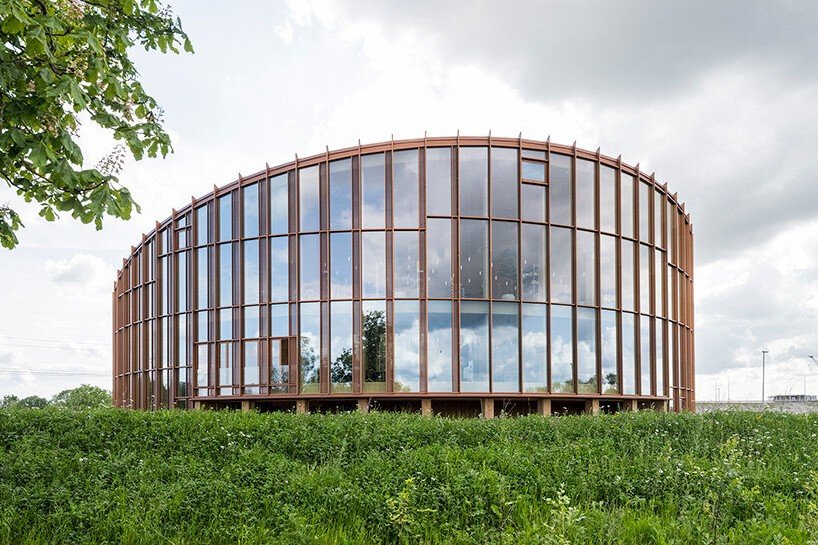
Bjarke Ingels Group’s new headquarters in Copenhagen reads like a manifesto written in timber, clay, cork, and eelgrass. The Danish architecture firm didn’t just specify sustainable materials for their own workplace, they built an argument against the plasticity and pretense that has become default in contemporary office design. Every surface, every structural choice, every finish is exactly what it claims to be.
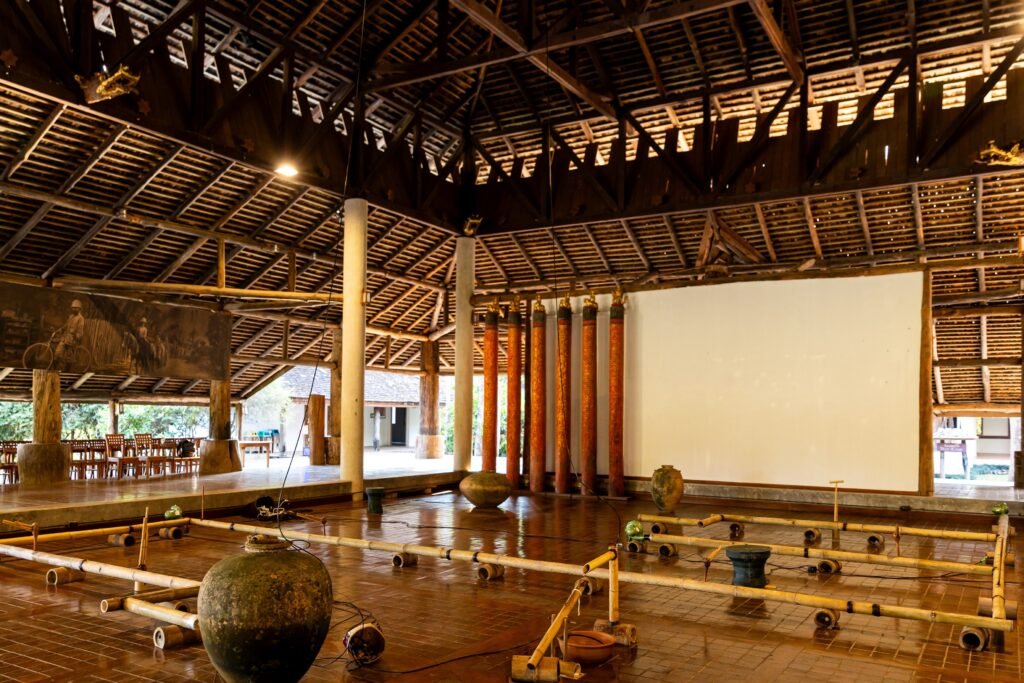
The restraint here is almost aggressive. Walk into most luxury workplaces and you’re drowning in metaphor: sleek facades that hide mechanical chaos, veneer and paint masking the actual bones of the building. BIG’s headquarters inverts this logic. The timber is timber. The clay is clay. Eelgrass, a material typically relegated to agricultural or insulation applications, becomes structural poetry. There’s no performance finish pretending to be stone. There’s no high-gloss accent wall performing sustainability theater. The material vocabulary is humble and regional, which makes the space feel inevitable rather than designed.
What’s genuinely interesting is that this isn’t an ascetic exercise in deprivation. The office doesn’t read as puritanical or deliberately rough. Cork absorbs sound and wears beautifully with age. Natural timber breathes, responding to seasonal humidity shifts that most climate-controlled buildings actively suppress. These are materials that improve under use, that patina rather than degrade. They communicate a confidence in impermanence that conventional corporate architecture actively resists.
The real test of this approach will be durability and maintenance over time. Natural materials demand care that synthetic alternatives are engineered to avoid. But that friction, that requirement for intentional stewardship, might be exactly the point. In an era when buildings are treated as temporary vessels for extractable value, an office that forces its occupants to live with material consequence feels quietly radical.