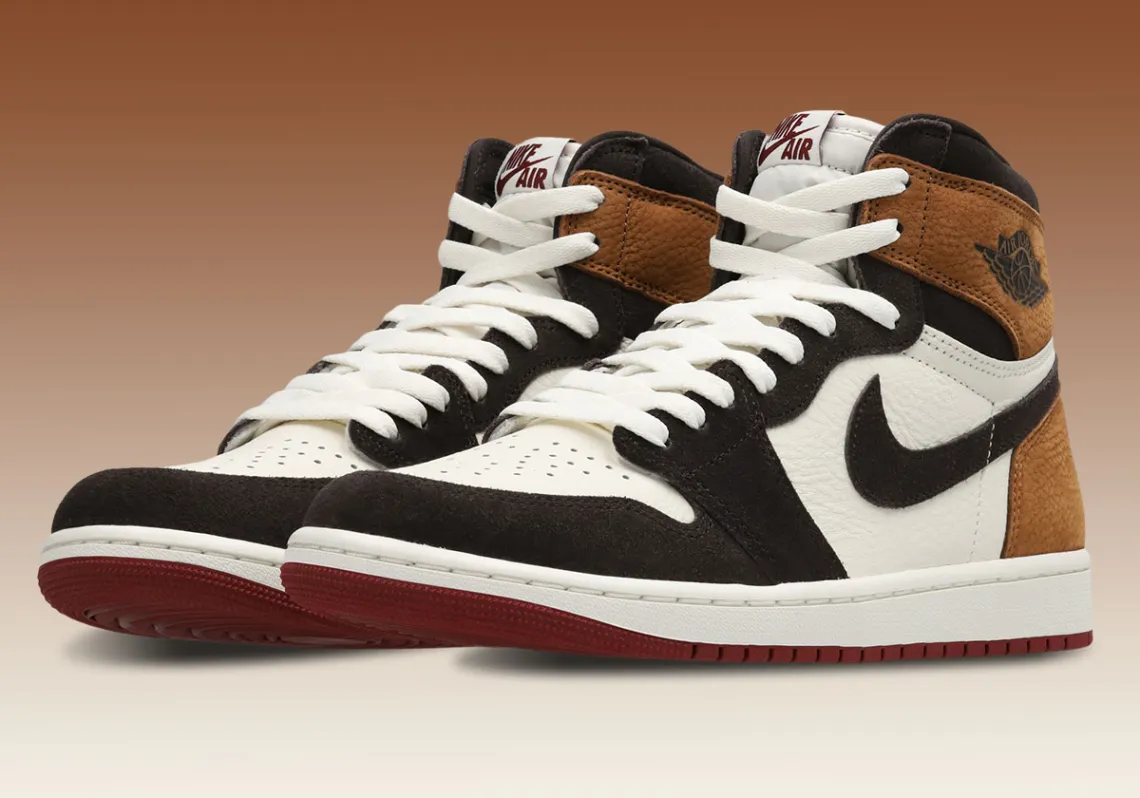
Michael Jordan’s third and final retirement letter is printed directly onto a shoe, and sneakerheads are already in their feelings.
A Letter Stitched Into Legend
On July 2, 2026, Nike is doing something unprecedented: turning Michael Jordan’s third and final retirement letter into wearable art. The Air Jordan 1 ‘MJ Farewell Letter’ isn’t just another limited drop or celebrity collab. It’s a direct translation of Jordan’s words onto leather and suede, making the shoe itself a document of one of basketball’s most complicated exits. For a generation that grew up collecting Air Jordans as cultural artifacts, not just kicks, this release hits different. This isn’t nostalgia marketing. This is mythology becoming tangible.
The decision to immortalize Jordan’s retirement communication through footwear speaks volumes about how sneaker culture has evolved into a storytelling medium. A shoe has never been a platform for this kind of personal narrative before. It’s the physical manifestation of a man saying goodbye, preserved in a format that can be laced up and walked in. That’s heavy. Whether you’re a hardline Jordan purist or someone who appreciates the intersection of sports history and sneaker design, the ‘MJ Farewell Letter’ forces you to reckon with what these shoes actually mean.
The Third Farewell, Finally Final
Jordan’s relationship with retirement is complicated. His first retirement in 1993 lasted 21 months. His second, in 1998, seemed more definitive until the 2001 Chicago Bulls comeback revealed it wasn’t. A third farewell letter suggests finality, a closing of a chapter that’s been reopened too many times. By printing this on a shoe, Nike is essentially saying: this time, we’re making it stick. It’s a fascinating gamble because it ties one of the world’s most valuable brands to a moment of genuine emotional closure.
The shoe itself becomes a time capsule. Every pair is a direct container of Jordan’s words about stepping away from the game that defined him. Collectors won’t just be buying an Air Jordan 1. They’re acquiring a piece of basketball scripture, rendered in rubber and leather, with a warranty of authenticity that comes from Nike’s official blessing. The cultural weight of that can’t be overstated in a sneaker market where provenance and story are now just as valuable as design.
Why Sneakerheads Are Already Emotional
The Air Jordan 1 ‘MJ Farewell Letter’ hits at the intersection of nostalgia and historical significance. For millennials and Gen Z collectors who’ve built their identity partly through sneaker culture, Air Jordans represent more than footwear. They’re trophies of fandom, investments, and conversations about legacy. A shoe that literally contains Jordan’s parting words weaponizes that emotional connection. Social media is already flooded with people talking about how they plan to keep this pair unworn, displayed, untouched. Some will actually wear them. Either way, the shoe demands to be treated as something more than footwear.
There’s also the meta-narrative at play. In 2026, sneaker drops are algorithmic events, raffles, drops, waitlists, and artificial scarcity. The ‘MJ Farewell Letter’ comes packaged with real emotional scarcity, something you can’t manufacture with limited production numbers. It’s the last thing Jordan is saying through the medium of a shoe. It’s the final word. That makes it inherently valuable in ways that have nothing to do with resale value, though you know those numbers will be astronomical.
The Shoe As Monument
Historically, sneaker releases have celebrated moments, collaborations, or design innovations. The ‘MJ Farewell Letter’ is different because it’s a shoe that honors an ending. It’s monumentalizing not a beginning or a peak, but a goodbye. That’s a bold cultural statement. Nike is betting that sneakerheads understand that some things are bigger than hype, that some shoes deserve to be kept rather than flipped, that some releases carry weight that transcends the usual mechanics of drop culture.
Whether that gamble pays off depends on how the sneaker community decides to engage with it. If people treat it like any other limited release, the meaning deflates. If it becomes a keeper, a ritual object, something that sits on a shelf next to framed jerseys and championship memorabilia, then Nike has successfully weaponized sentiment into something that will be talked about for decades. July 2, 2026 isn’t just a release date. It’s a moment when basketball, sneaker culture, and personal history collide on rubber and leather, one final time.