Vacheron Constantin Met Residency: An 18-month collaboration between the Swiss house and The Met produces three contemporary art commissions that blur the boundary between mechanical precision and creative vision.
When a 275-year-old watchmaker decides to embed itself inside one of the world’s most prestigious art institutions for nearly two years, the move reads as either a calculated brand flex or a genuine curiosity about what happens when horological obsession meets studio practice. Vacheron Constantin’s Met residency, which concludes this month, seems to have landed somewhere between those poles, producing three finished commissions that treat timekeeping as a creative medium rather than a functional afterthought.
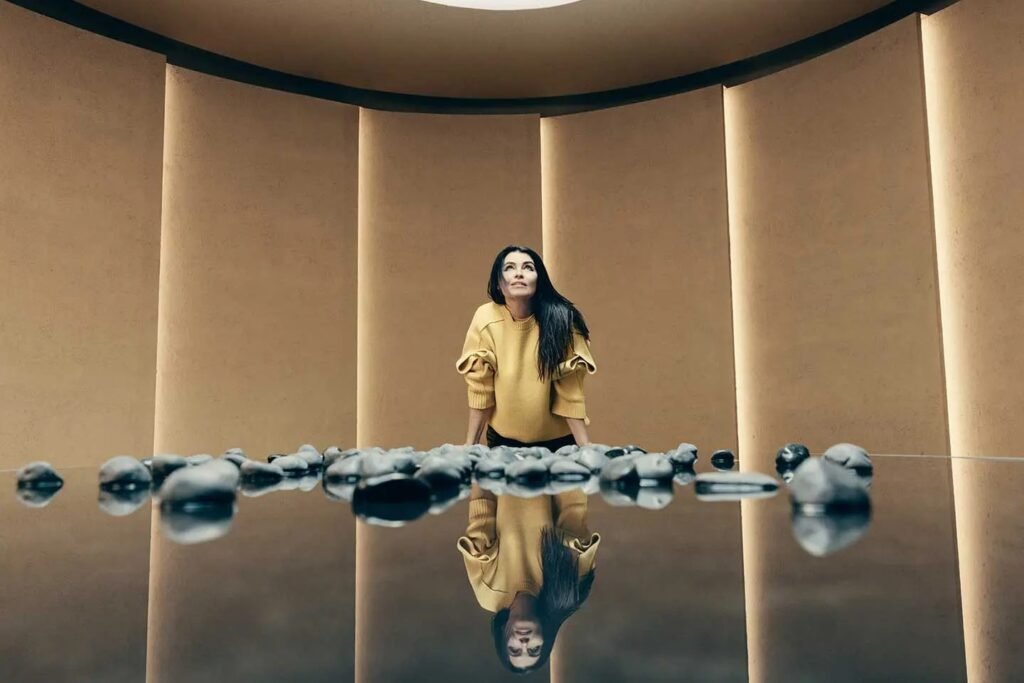
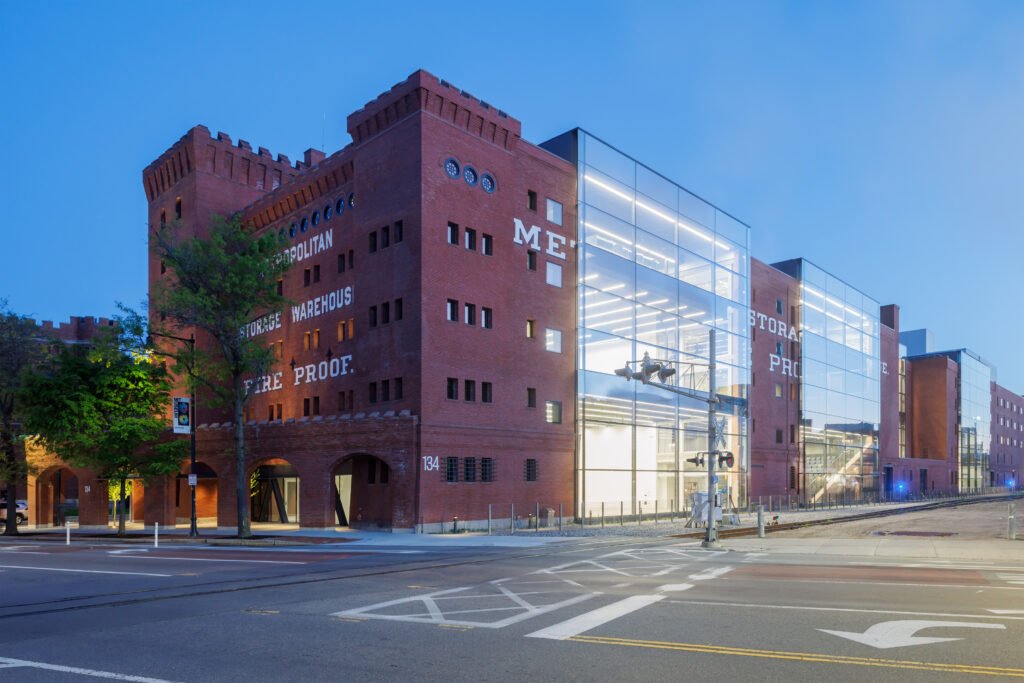
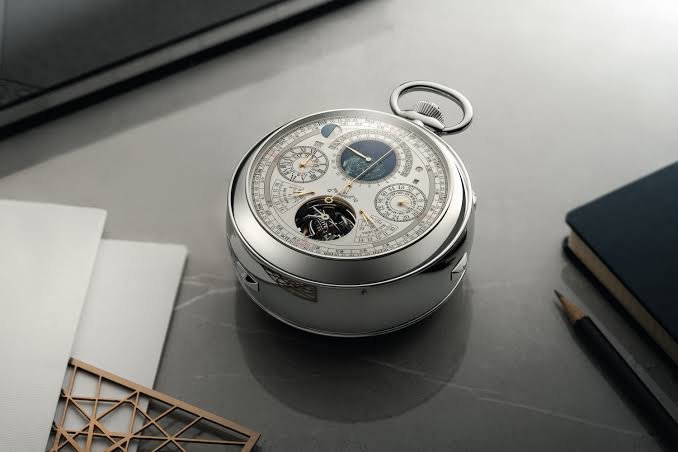
The collaboration began with a simple premise: place Vacheron Constantin’s craftspeople inside The Met’s ecosystem and let something genuinely unexpected emerge. Over 18 months, the residency unfolded across two continents, with artists and horologists working in proximity to each other, borrowing vocabularies, questioning assumptions about precision versus expression. That duration alone signals a departure from the typical luxury brand sponsorship where a logo appears on a gallery wall for six weeks. This was residency work, the kind that requires repetition, failure, and iterative thinking. The three works being unveiled represent the visible output of that slower process, pieces that function as both sculptural objects and working mechanisms. In the current climate of luxury heritage brands rushing to prove their relevance through contemporary art partnerships, most default to straightforward sponsorship or artist-collaboration-as-marketing. Vacheron Constantin’s choice to embed its entire operation inside an institution and let that friction generate new work is a markedly different gesture.
In the current climate of luxury heritage brands rushing to prove their relevance through contemporary art partnerships, most default to straightforward sponsorship or artist-collaboration-as-marketing. Vacheron Constantin’s choice to embed its entire operation inside an institution and let that friction generate new work is a markedly different gesture, one that suggests the Vacheron Constantin Met residency model may reshape how watchmaking engages with fine art.