Es Devlin Stage Design: The architect of Beyoncé and Adele’s most iconic tours lands her first major UK retrospective at the Design Museum this September.
Es Devlin’s pioneering stage design has spent the last three decades building stages that become as much the story as the performance itself, yet she has never had a comprehensive museum show in her home country until now. Opening September 18 at London’s Design Museum, the retrospective marks the first institutional survey of a career that has quietly reshaped how the world thinks about live spectacle. Her practice spans stadium tours (Beyoncé’s Formation and Renaissance runs, Adele’s Residency), theatrical productions (The Lehman Trilogy), architectural installations, and performances at the opening and closing ceremonies of the 2012 London Olympics. The exhibition traces how a single artist built a language that treats stages not as backgrounds but as active collaborators in storytelling.
What makes Devlin’s work distinctive is her refusal to separate design from narrative. Where most stage design follows performance, her installations often anticipate and shape it. For Beyoncé’s Renaissance tour, she created vast geometric platforms and lighting systems that moved like dancers themselves. For Adele’s Las Vegas residency, she built intimate architectural chambers that made a 4,000-seat venue feel like a private conversation. Her work at the 2012 Olympics opening ceremony, designed with Danny Boyle, established her as a practitioner capable of holding attention at the scale of nations. This is not decoration; this is choreography translated into structure.
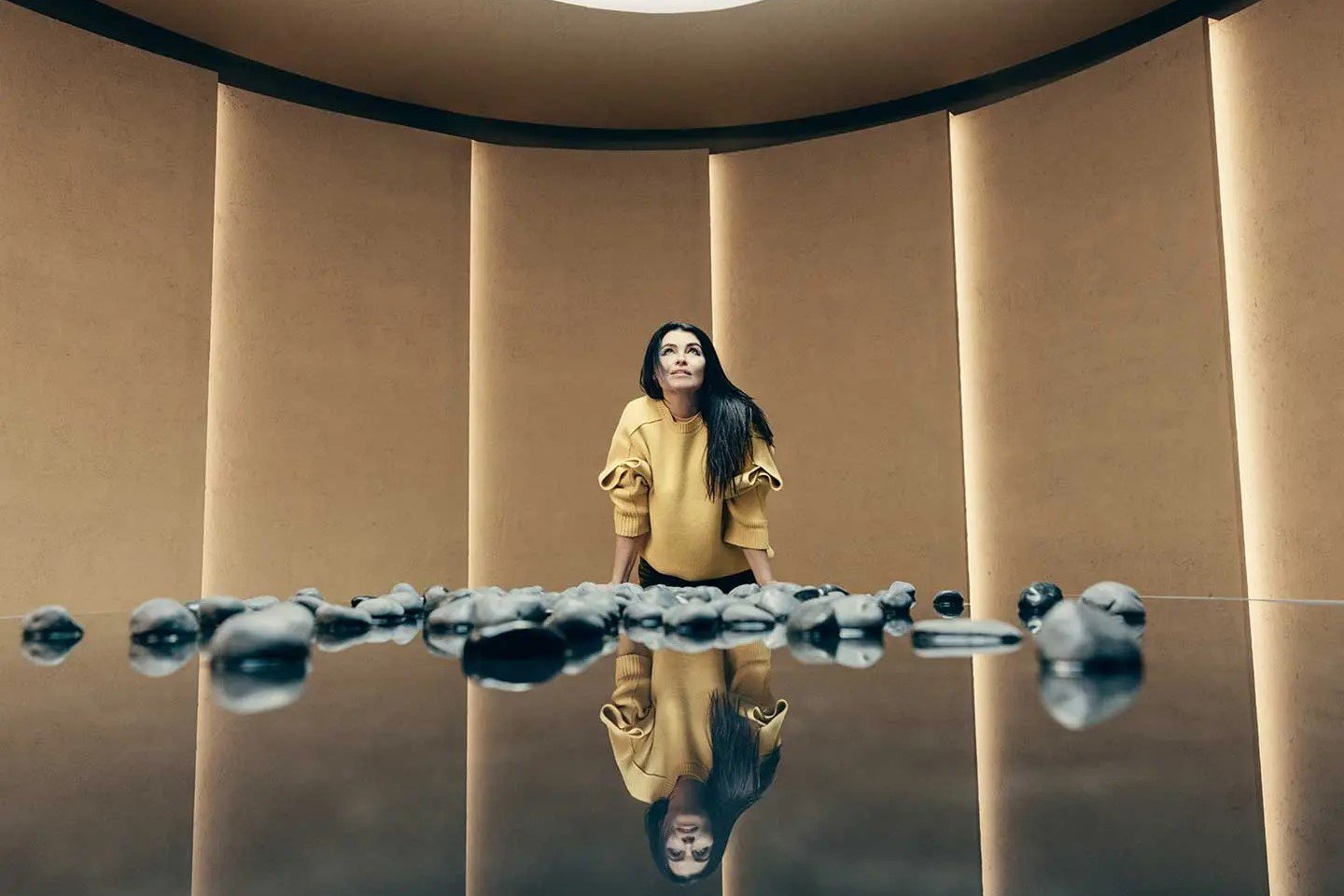
The Design Museum exhibition will feature models, photographs, video documentation, and immersive installations that attempt to capture work built primarily for ephemerality. Most of Devlin’s stage design projects are demolished after their run ends, existing mainly in archival footage and the memory of those who stood inside them. The show becomes a crucial preservation effort, translating three decades of transformative work into a permanent archive for audiences to experience her revolutionary approach to theatrical architecture.