Groninger Museum Architecture: The Dutch institution’s fresh curatorial vision launches with a sweeping exhibition that connects Zaha Hadid’s radical geometries to Sol Calero’s labor-focused installations.
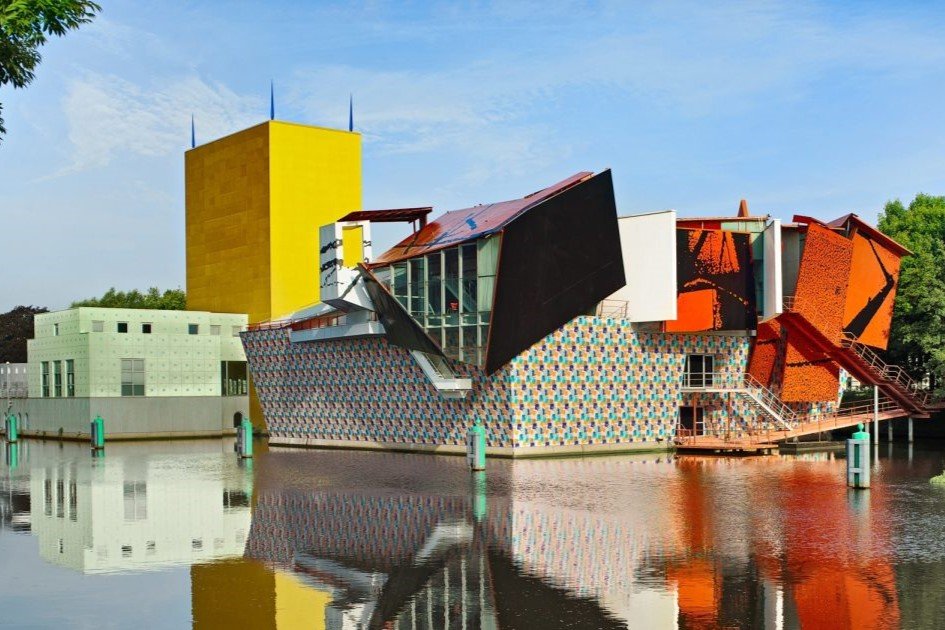
The Groninger Museum in the Netherlands has officially signaled its shift in institutional direction with a sprawling architecture exhibition that refuses to stay in any single lane. Opening under new artistic leadership, the show positions architecture not as a neutral technical discipline but as a direct expression of labor systems, power structures, and the bodies that make buildings possible. It’s the kind of ambitious, theoretically grounded thesis that typically gets buried in academic symposiums rather than mounted as a major museum exhibition, which is precisely why it matters.
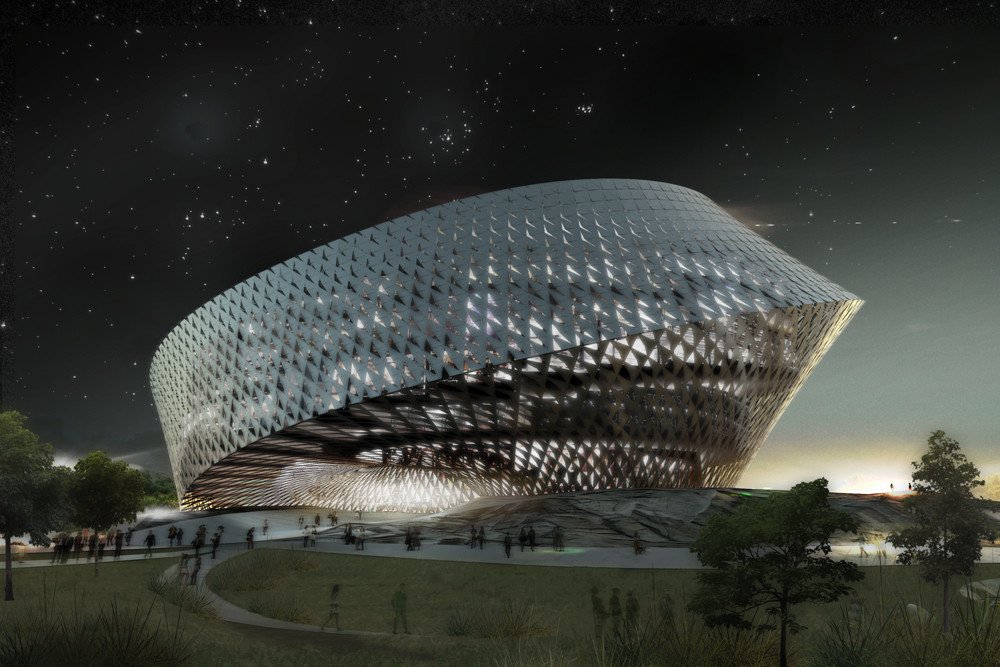
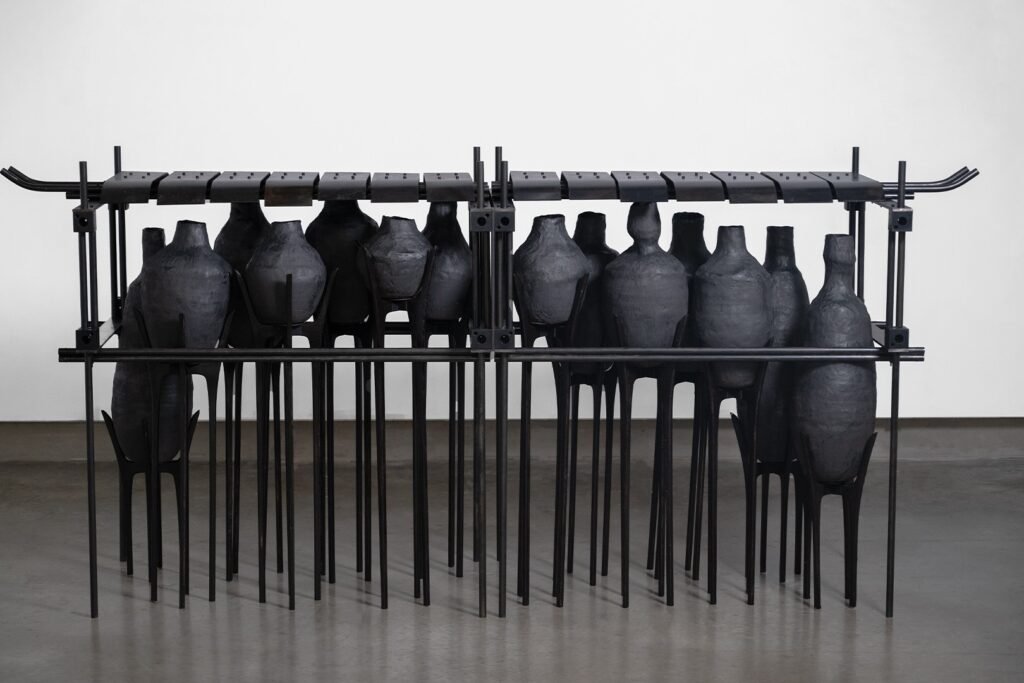
The exhibition weaves together work spanning from Zaha Hadid’s parametric experiments in the 1990s and 2000s to contemporary pieces by artists like Sol Calero, whose practice centers immigrant labor, domestic economies, and the spatial politics of service work. The curatorial logic here isn’t about assembling canonical moments in architectural modernism; it’s about using architecture as a lens to interrogate who builds, who benefits, and whose vision gets rendered in steel and concrete. Hadid’s flowing, computer-generated forms sit alongside Calero’s more confrontational spatial interventions, creating a productive tension between formal innovation and material reality.
What distinguishes this approach from typical architecture survey shows is the refusal to treat labor as invisible infrastructure. Rather than presenting finished buildings or pristine renderings, the Groninger Museum exhibition pulls forward the conditions of their making. It’s a curatorial move that feels particularly urgent in a moment when architecture discourse often treats computational design and sustainable materials as philosophical endpoints while actual construction workers remain largely absent from the conversation. The new leadership at Groninger Museum has positioned this show as a watershed moment for how institutions can center worker experience within architectural history.