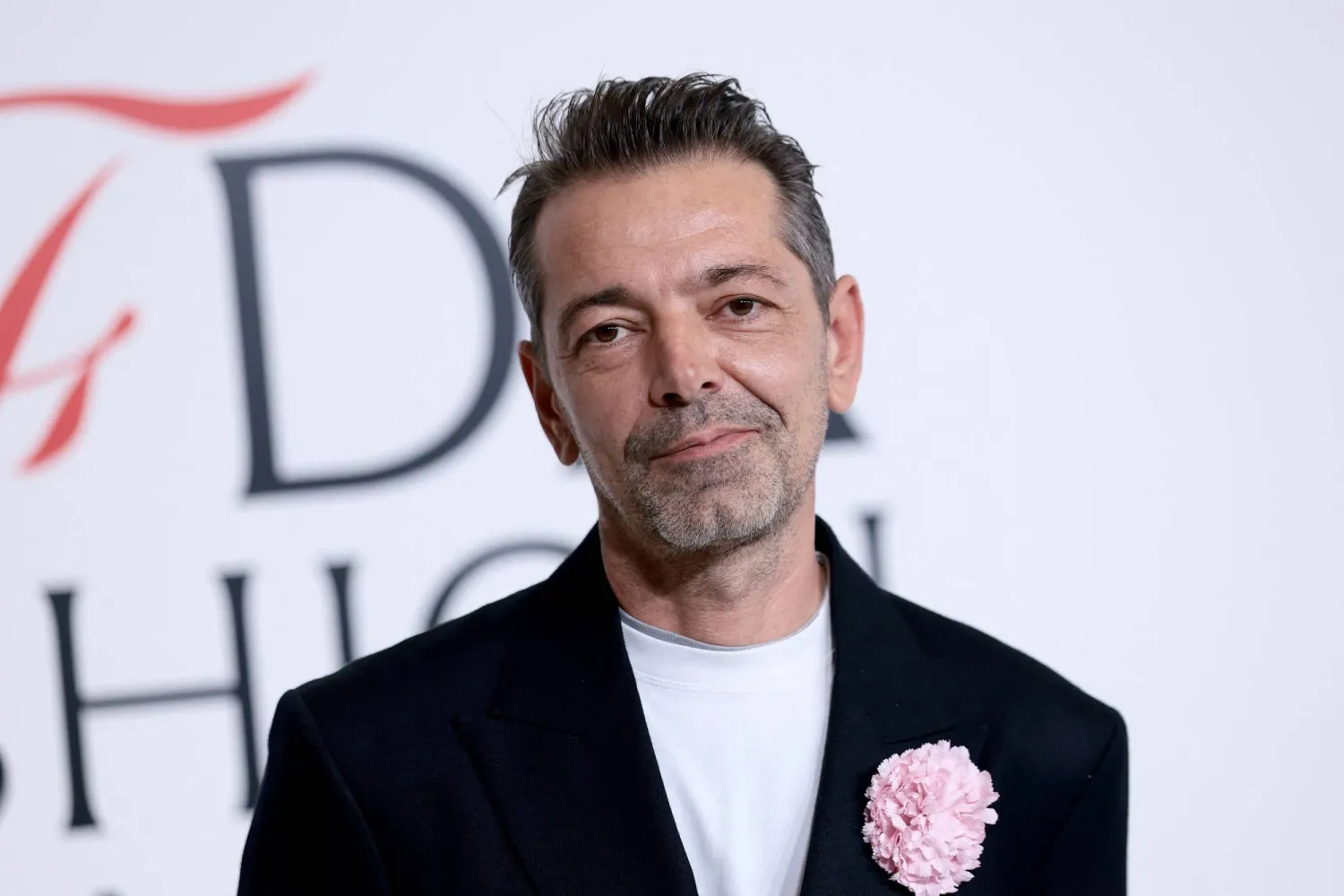
In the calendar of fashion power moves, few appointments carry the weight of Pieter Mulier’s arrival at Versace. Starting July 1st, the Belgian designer inherits creative direction of a house whose DNA was written in gold chains, body-conscious silhouettes, and unapologetic excess. The weight of the moment is immense, Versace sits at the intersection of luxury heritage and pop culture mythology, a place where design missteps get dissected globally in real time. Yet here’s the twist that makes this appointment genuinely unusual: Mulier won’t unveil his vision on Versace’s runway until Fall 2027, nearly 18 months after he officially begins. In fashion terms, that’s an eternity of waiting.
The delayed debut creates a peculiar tension in an industry obsessed with immediate impact. Mulier won’t show a Cruise collection or intermediate seasonal drops before his full Spring-Summer 2027 presentation, the runway will serve as his first real statement, meaning expectations will have compressed into something almost impossibly dense by autumn next year. The silence itself becomes a kind of power. No rushed debut to prove himself, no early missteps to spin. Instead, he gets the space to reckon with what Versace actually means in 2025 and beyond, something that requires genuine thinking rather than immediate commercial reaction. The house won’t rush him into decisions; the timeline suggests patience, which in luxury typically signals confidence in the hire.
What Mulier faces is both gift and gauntlet. Versace’s recent years have been anchored by strong commercial instincts and heritage-forward storytelling, but the house has also felt, at moments, caught between respecting its archive and claiming genuine creative momentum. For Pieter Mulier, a year and a half is enough time to absorb the atelier’s DNA and chart a course that honors Versace’s pop culture mythology while positioning the brand for the next chapter of luxury fashion.