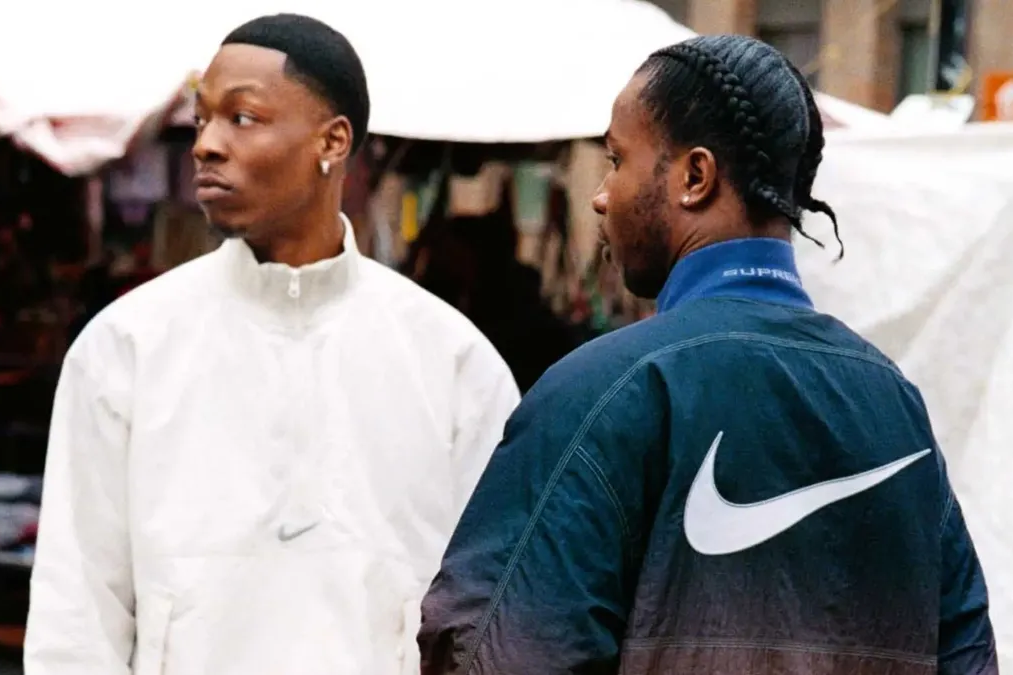
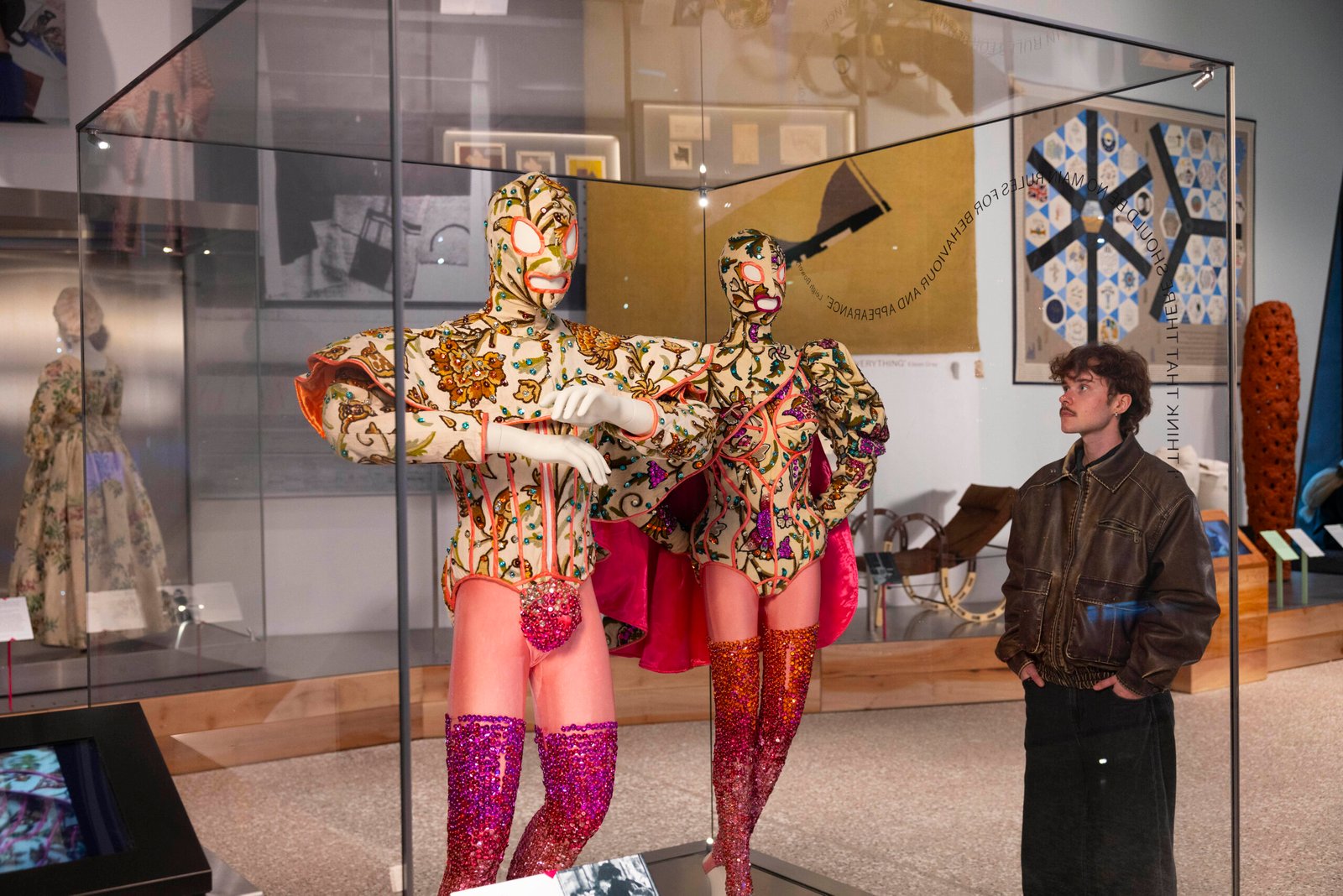
90s Art And Fashion: A sweeping institutional survey opens October 8, positioning the decade’s youth culture, visual excess, and artistic rebellion as a single unified moment.
Tate Britain is launching a comprehensive 90s art and fashion retrospective titled “The 90s: Art and Fashion” on October 8, marking the first major museum survey to treat the decade’s aesthetic upheaval as a serious artistic watershed rather than a nostalgic sidebar. The exhibition positions the era’s art world, fashion industry, and street culture not as separate spheres but as interconnected expressions of the same generational shift: a moment when gallery-going kids wore clubwear, when supermodels became fine art subjects, and when British youth culture dominated both the catwalk and the canvas.
The show arrives at a moment when 90s aesthetics have cycled back into commercial currency multiple times over, but rarely with institutional weight behind them. For decades, the decade occupied an awkward cultural space, too recent for serious art historical treatment, too firmly dated for contemporary relevance. What made the 90s distinct was its collapse of hierarchies: high-fashion designers referenced rave culture; Young British Artists built celebrity faster than they built galleries; supermodels became subjects of gallery installation rather than mere advertisement. The exhibition appears poised to examine how Britpop, acid house, and the rise of the supermodel weren’t parallel trends but expressions of the same cultural moment.
The retrospective lands as fashion and art institutions have begun crediting the 1990s as a legitimate historical period worthy of scholarly attention, rather than raw material for references. Previous museum surveys of contemporary fashion and art have either glossed over the decade or treated it piecemeal. Tate Britain’s October opening of this 90s art and fashion exhibition suggests that the distance has finally widened enough for institutions to examine the 1990s as history rather than memory.