Traditional white-cube spaces are fading as new voices, alternative markets, and fresh models reshape the art world.
The Old Model Is Breaking Down
In cities like New York and Los Angeles, contemporary art galleries once thrived on prestige, exclusivity, and formal openings. But rising rents and shifting expectations are dismantling that model. Mega-galleries built on endless art fairs and sprawling artist rosters are losing their grip.
Tim Blum’s recent decision to close Blum & Poe in Los Angeles and Tokyo — and cancel a Tribeca expansion — captured the mood. His reasoning wasn’t about sales but about a broken system where collectors hold the power and the old gallery hierarchy no longer makes sense.
From Blue-Chip to Red-Chip
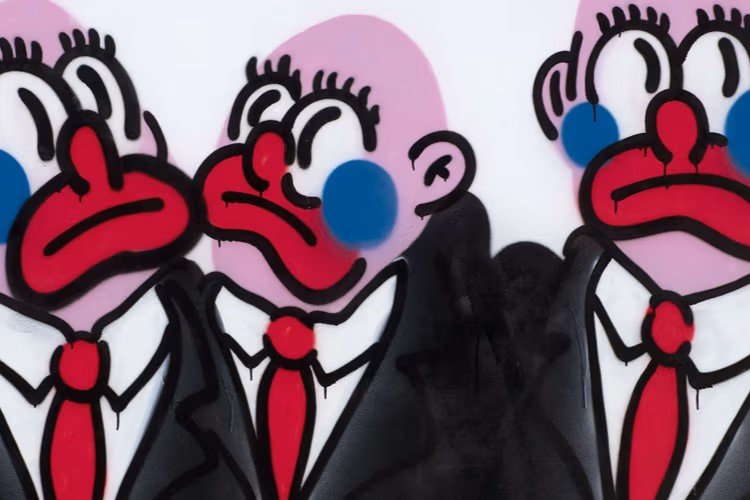
The market is shifting from a focus on “blue-chip” names to “red-chip” artists — younger, hype-driven creators whose value comes from cultural relevance and online buzz. These artists offer affordability, accessibility, and diverse perspectives that resonate globally.
One standout example is Olaolu Slawn, whose 2024 Saatchi Yates show sold out by offering 1,000 individual works — flipping the script on scarcity and prestige.
Celebrities have also entered the mix. Actor Adrien Brody has sold works for hundreds of thousands of dollars, thanks to star power, though critics accuse him of kitsch and imitation. His case highlights both the opportunities and the controversies of this new landscape.
New Spaces, New Models
Smaller, independent galleries are experimenting with fresh approaches:
- Tiwa Gallery in New York centers self-taught artists in a casual, accessible environment.
- Landdd in Portland blends Latin American craft with immersive cultural events.
- Marta in Los Angeles weaves art and design into everyday life.
Meanwhile, high-concept retail is emerging as a cultural player. Gentle Monster in Seoul and Dover Street Market in London blur the line between gallery and store, transforming shopping into an immersive, evolving exhibition.
Art Beyond the Gallery
Collectors no longer need champagne openings or white walls to buy work. Social media, direct-to-studio sales, and online drops have turned the art world into an instant, global marketplace. Some galleries embrace this shift with pop-ups and digital releases, while others resist, questioning whether spaces fueled by DJs and cocktails can still be called galleries.
The truth is, art isn’t disappearing — it’s evolving. What’s dying is the rigid gallery model built on scarcity and prestige. What’s thriving is access, attention, and new ways of connecting. The future belongs to the spaces — physical or digital — that can adapt fast enough to stay relevant.