One of India’s most beloved 90s icons returns as a premium lifestyle EV, and anticipation is electric.
A Legend Reborn
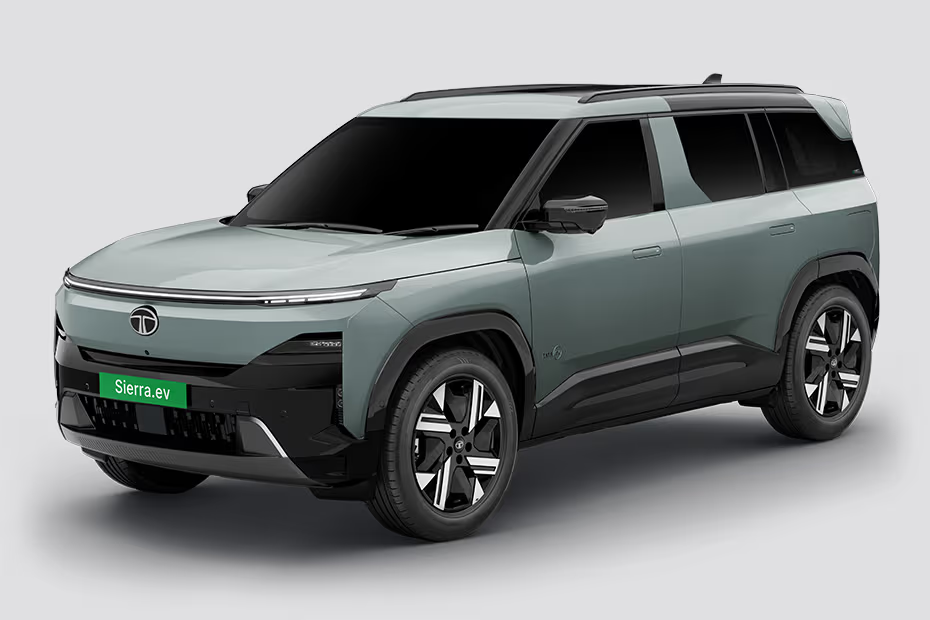
The Tata Sierra is coming back, and this time it’s going electric. After nearly two decades away from showrooms, the nameplate that defined adventure and aspiration for generations of Indian car buyers is set to launch in July as a fully electric vehicle. It’s not just a nostalgia play, though nostalgia certainly fuels the hype. The original Sierra was a cultural touchstone, the SUV that made premium, rugged lifestyle accessible to India’s growing middle class in the 1990s and early 2000s. Now, Tata is banking on that heritage to carve out territory in India’s rapidly expanding EV market, targeting buyers who remember the original but are ready for what comes next.
The return signals something larger about how Indian automakers are repositioning themselves in the electric age. Rather than chase cheap vehicles for the masses, Tata is betting on emotion and story. The Sierra EV isn’t just transportation; it’s a statement about taste, memory, and forward thinking all at once. In a market flooded with new EV startups and established players launching forgettable battery boxes, a nameplate with real cultural weight becomes a genuine advantage.
Design Language Meets Modern Tech
Details remain somewhat under wraps, but the new Sierra will be unmistakably a product of 2024, not a retro pastiche. Tata’s design team has had to walk a careful line: honor the distinctive silhouette and proportions that made the original instantly recognizable, while integrating the aesthetic codes that EV buyers expect. No grilles, cleaner surfaces, integrated charging ports, and digital displays will define the cabin experience. The goal is to feel contemporary and premium, not like a nostalgia-drenched tribute act.
The original Sierra was known for its boxy, purposeful stance and commanding road presence. The electric version will likely maintain that visual confidence while incorporating Tata’s newer design vocabulary, seen in models like the Harrier and Safari. This balance between reverence and innovation is crucial. Get it right, and the Sierra EV becomes an instant collector’s dream. Get it wrong, and it’s just another forgotten reboot.
The EV Market Moment
India’s electric vehicle market is growing rapidly, but it remains dominated by budget segments and two wheelers. Premium EVs are still relatively rare, and the segment where a lifestyle SUV would sit is wide open. Buyers with disposable income and emotional connections to Indian car culture are looking for options that feel both aspirational and grounded in reality. The Sierra EV arrives at a moment when early EV adopters are moving beyond the novelty phase and demanding vehicles that actually feel special.
Pricing will be critical. If Tata can position the Sierra EV as genuinely premium without hitting six figures, it could become the car that convinces India’s professional class that electric vehicles are the future worth investing in. Competition will come from both established players exploring electric SUVs and new EV brands, but few can claim a nameplate with this much cultural residue.
Why This Moment Matters
The Sierra EV’s July launch represents a bet that nostalgia, when paired with genuine innovation, remains one of the most powerful engines in automotive marketing. It’s a story that transcends specs and efficiency ratings. For anyone who grew up watching Sierra trucks and SUVs navigate Indian roads with style, the return carries an almost mythic quality. This is the brand coming home, but transformed.
The automotive landscape is shifting toward electrification globally, but the story each brand tells around that shift differs wildly. Tata is choosing to anchor the Sierra EV in memory and emotion, in India’s specific car culture and the aspirations of a generation that came of age when the original was king. That’s smarter than just dropping another generic EV into the market and hoping it sticks.
The Road Ahead
If the Sierra EV lands well, it could reshape how Indian automakers think about electric vehicles. Instead of treating EVs as a separate category divorced from heritage and history, they might recognize that the deepest way to sell the electric future is by connecting it to the past. The Sierra EV isn’t just a car launching in July; it’s a statement that India’s automotive future doesn’t have to erase its automotive identity.