London Fashion Week: Two of Britain’s most provocative designers are back on the official schedule, signaling a shift in how the capital’s fashion week is organizing itself.
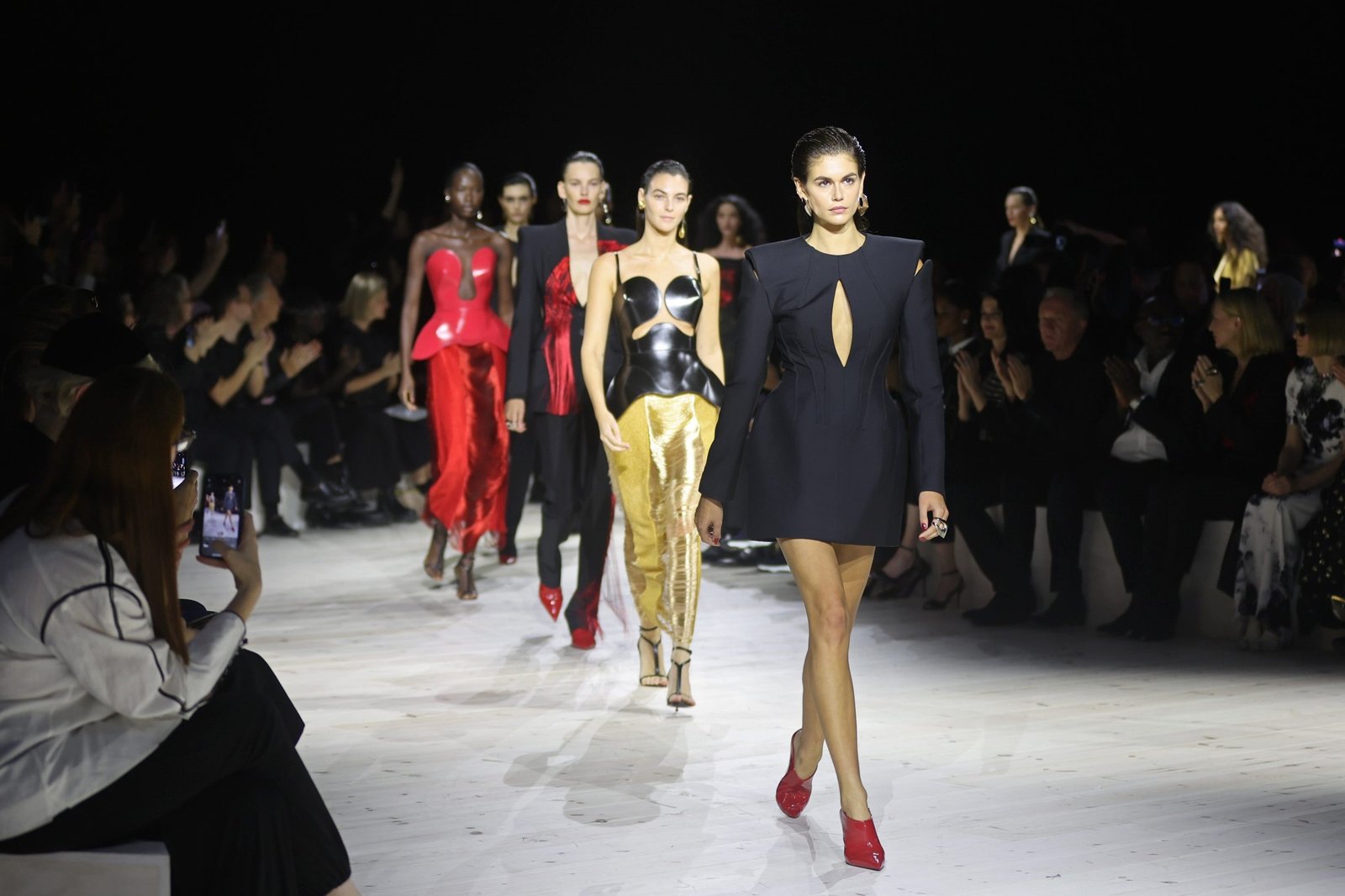
London Fashion Week just got heavier. Alexander McQueen and Christopher Kane, two names that have shaped the DNA of British fashion for nearly three decades combined, are returning to the official schedule for spring/summer 2027, and the timing matters more than a simple roster addition might suggest. This isn’t about nostalgia or a victory lap. It’s about a calendar that’s been quietly fracturing for years finally making a structural move to keep its biggest guns from drifting into the gravitational pull of Paris, Milan, or the increasingly attractive option of a standalone show.
McQueen’s return represents the most significant signal. The house has spent the post-Lee era as a kind of shadow player on the London calendar, selective about participation, careful about its positioning. That they’re committing to the official schedule again suggests confidence in the current creative direction and, more practically, a belief that London as a platform is worth the investment again. Kane’s pivot is different in texture but equally telling. The designer has been a consistent presence on the circuit, but his relocation to Mulberry as creative director signals something broader: the line between heritage restoration and personal vision is blurring, and Kane’s house is now folded into a larger commercial apparatus that benefits from unified calendar positioning. Mulberry gets a designer with genuine pedigree and subversive instinct. Kane’s own label gets institutional weight and infrastructure.
What’s actually happening here is more interesting than it appears on a spreadsheet. London Fashion Week’s authority has been under pressure for years, fragmented by designer independence, the rise of direct-to-consumer drops, and the sheer pull of the European Big Two. By securing these returns, the calendar isn’t just filling slots. It’s making a corrective statement: the British fashion conversation is still worth convening in person, still worth the logistics, still capable of generating the kind of cultural friction that matters. Whether that holds depends entirely on what McQueen and Kane actually show, but the commitment to be present in the room is, in this moment, its own kind of argument.