Moncler Grand Central: The Italian luxury brand’s massive retrospective, narrated by Alicia Keys, proves that New York hasn’t just worn Moncler, it’s become part of the brand’s DNA.
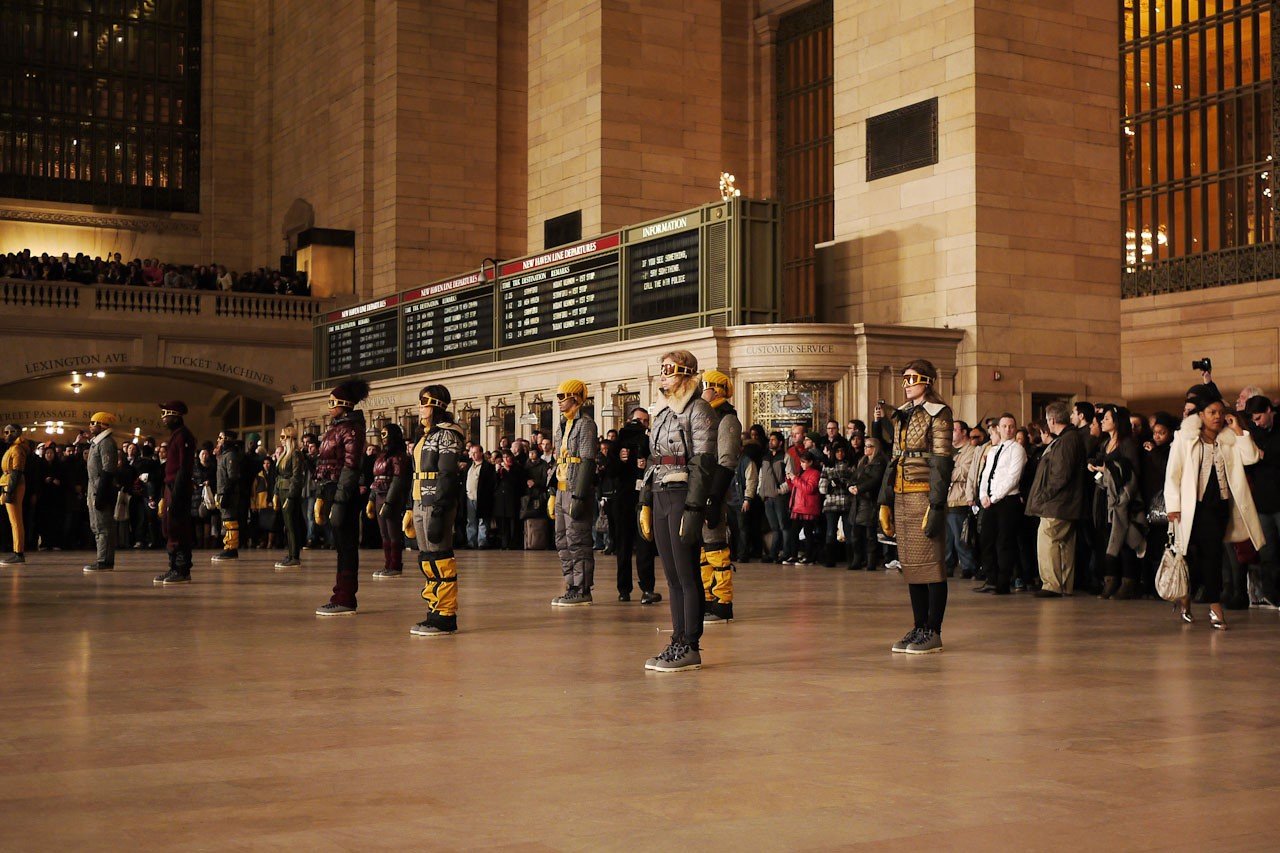
The Moncler Grand Central exhibition isn’t a typical fashion retrospective. This September, the brand transformed one of the city’s most iconic transit hubs into an open-air showcase that traces two decades of its relationship with New York, running September 9 through 13. What could have been a straightforward nostalgia play instead became something more textured and genuinely ambitious: a cultural document narrated by Alicia Keys that doubles as both a brand flex and a genuine meditation on how a European luxury outerwear company became woven into the fabric of urban New York life.
Why the Moncler Grand Central Location Matters
The choice of venue is almost too perfect. Grand Central isn’t neutral ground; it’s a symbol of New York’s connective tissue, the place where commuters, tourists, and the city’s cultural currents all converge. Mounting a retrospective there instead of in a sterile gallery or flagship store sends a specific message: Moncler doesn’t see itself as separate from the city. It’s not a brand that happens to do business in New York. The exhibition’s five-day window also signals confidence bordering on arrogance. No permanent installation, no museum run. Just a flash of cultural authority that assumes New Yorkers know exactly what Moncler is and why it matters to the conversation about how they dress.
Having Alicia Keys provide narration elevates this beyond marketing theater. Keys isn’t just a celebrity endorsement; she’s a native New Yorker whose relationship with the city is biographical rather than transactional. Her voice anchoring 20 years of Moncler history adds an emotional dimension that most brand activations actively avoid. It positions the exhibition as a shared cultural artifact rather than a corporate retrospective. That distinction matters. In a city where luxury brands fight constantly for attention and authenticity, Moncler essentially hired one of New York’s most credible cultural figures to validate its claim on the city’s identity. Whether that feels earned or opportunistic probably depends on who you ask, but the ambition is undeniable.
The real story here is what this moment reveals about brand prestige in 2026. Twenty years ago, Moncler was primarily known for technical ski jackets. Now it’s major enough that it can commandeer Grand Central and expect people to care. The exhibition isn’t revolutionary in concept, but it’s bold in execution, betting that New York audiences will show up not because they have to, but because they want to see how a luxury brand remembers its own history with their city. That’s the kind of cultural gravity most brands can only dream about.