Kanal Brussels: A historic Brussels automotive palace transforms into a sprawling contemporary art and architecture destination just as the Paris Pompidou enters renovation.
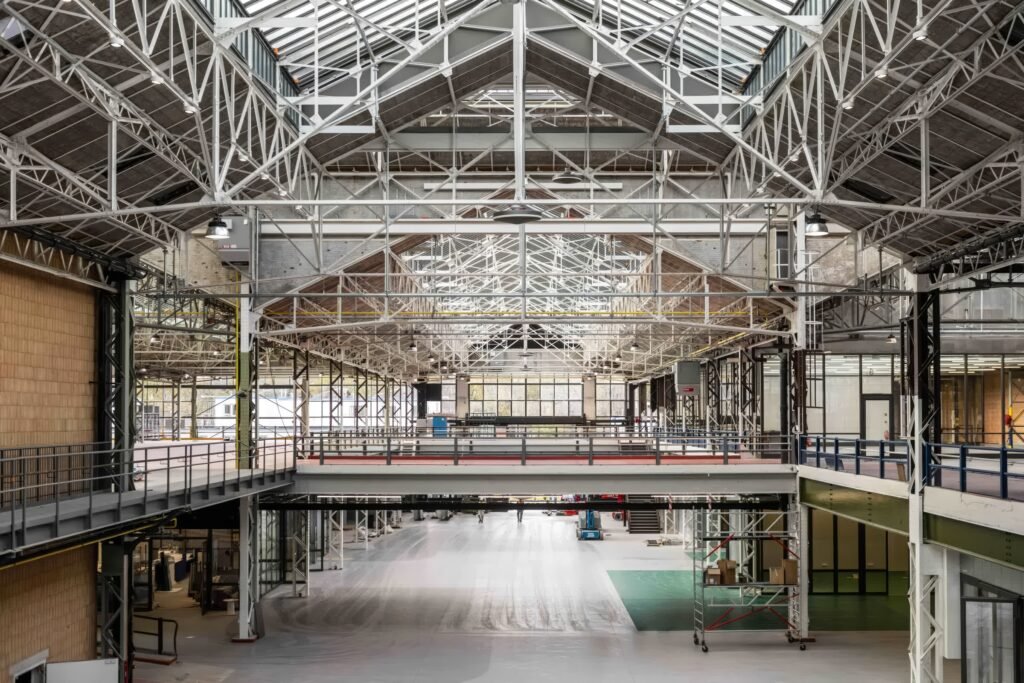
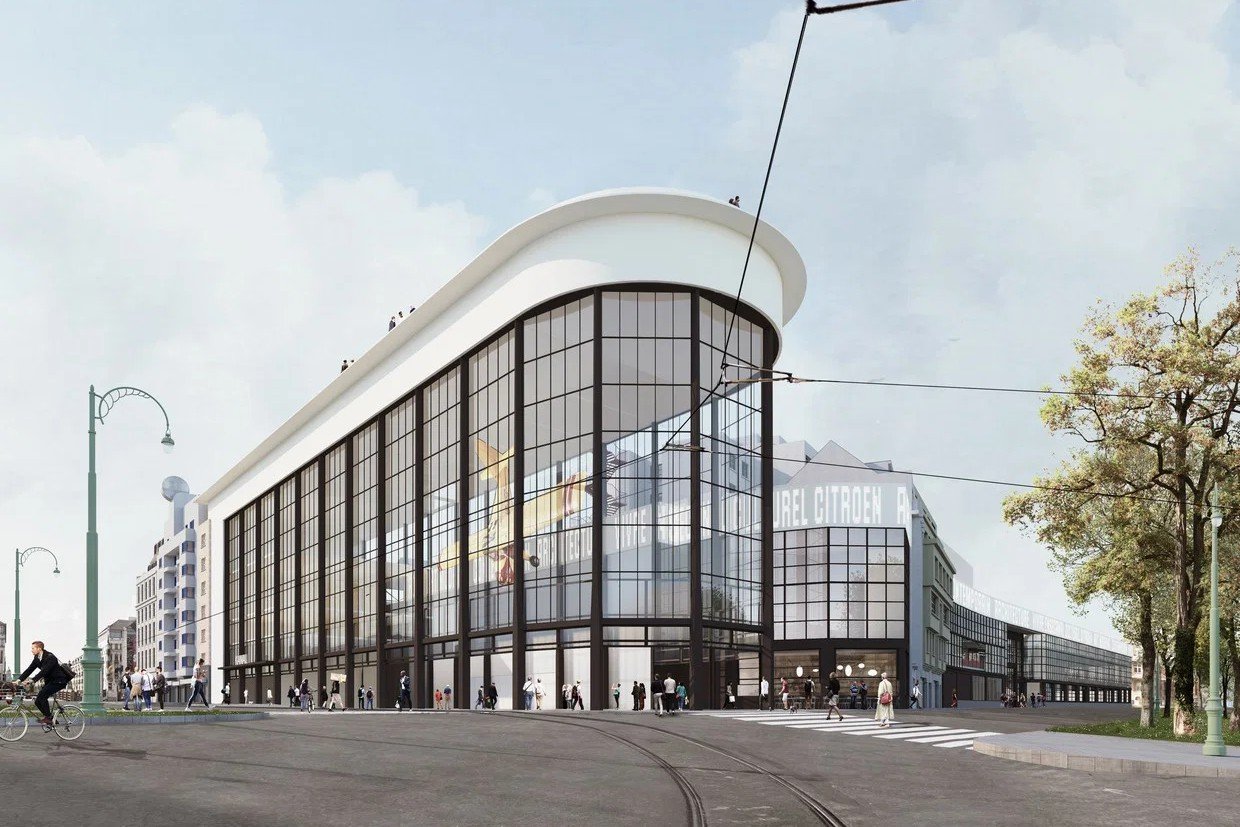
André Citroën’s 1924 showroom in Brussels, a monument to industrial-era automotive ambition, is about to become something far more expansive. On November 28, the cavernous 40,000 square meter space reopens as KANAL Brussels, Europe’s largest multidisciplinary cultural institution dedicated to modern and contemporary art and architecture. The timing is not accidental. As the Centre Pompidou in Paris closes its doors for extensive renovation, Brussels is positioning itself as the continent’s interim capital for serious contemporary art conversation.
The scale alone announces intent. At 40,000 square meters, KANAL dwarfs most regional museums and positions itself as a genuine alternative to Paris’s temporary shutdown. This is not a modest regional venture but a statement of cultural infrastructure, designed by Atelier Kanal to honor the building’s automotive heritage while creating something entirely new. The transformation represents one of 2026’s most significant architectural and cultural developments in Europe, yet it’s opening slightly ahead of schedule this November.
KANAL Brussels: From Assembly Line to Exhibition Gallery
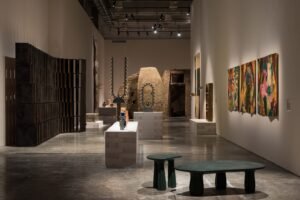
What makes KANAL distinct is not simply the acreage but the architectural reconciliation of past and future. The Citroën factory, built in 1924, carried the utopian dreams of modernist industrial design. Converting such a space into a museum requires more than demolition and white walls; it demands a conversation between what the building once was and what it will become. Atelier Kanal’s approach respects that dialogue, maintaining the building’s industrial character while inserting contemporary exhibition infrastructure. The result is a genuinely hybrid space where the geometry of assembly lines coexists with curated galleries.
For visitors and collectors, KANAL’s opening reorders the geography of contemporary art in Northern Europe. Brussels, long overshadowed by Amsterdam, London, and Paris as a cultural destination, now hosts the continent’s largest dedicated space for modern and contemporary art and architecture under one roof. This is not merely about volume. The 40,000 square meters allows for the kind of ambitious, sprawling exhibitions and permanent collections that smaller institutions cannot accommodate. It creates room for experimentation, for works that demand space, for architecture to function as content in its own right.
Timing and Context
The opening arrives at a precise cultural moment. The Centre Pompidou in Paris is undergoing major renovation, forcing the art world to reconsider its travel patterns and institutional loyalties across the region. KANAL’s launch transforms what could be a temporary gap into an opportunity. Brussels has built infrastructure, secured significant art holdings and commitments, and now opens a building of architectural consequence. For collectors, curators, and institutions planning major contemporary art presentations, KANAL offers 40,000 square meters of possibilities that would not exist elsewhere until Paris reopens.
The institution’s scope extends beyond painting and sculpture. Its focus on both art and architecture as parallel disciplines reflects a curatorial vision that treats the built environment as central to contemporary culture. This approach aligns with how serious collectors and institutions increasingly think about cultural practice. Architecture is not backdrop; it is content. A museum of this size dedicated to art and architecture together signals a maturation in how institutions frame cultural discourse.
What KANAL Represents
KANAL’s November 28 opening marks a structural shift in European cultural geography. It is not a boutique space or a regional museum playing catch-up with larger institutions. It is a 40,000 square meter statement that Belgium’s capital is building infrastructure to compete on the continental stage. The conversion of a 1924 Citroën factory into Europe’s largest contemporary art and architecture museum demonstrates how industrial heritage, when treated with architectural seriousness, can become a platform for serious cultural work. For Brussels, for contemporary art, and for the visitors and collectors who navigate these institutions, KANAL represents the arrival of a new major player.