Irving Penn Fashion Photography: A sweeping survey of Penn’s work opens at MEP days after fashion week ends, proving that mastery never ages.
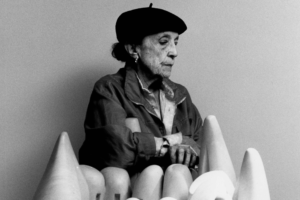
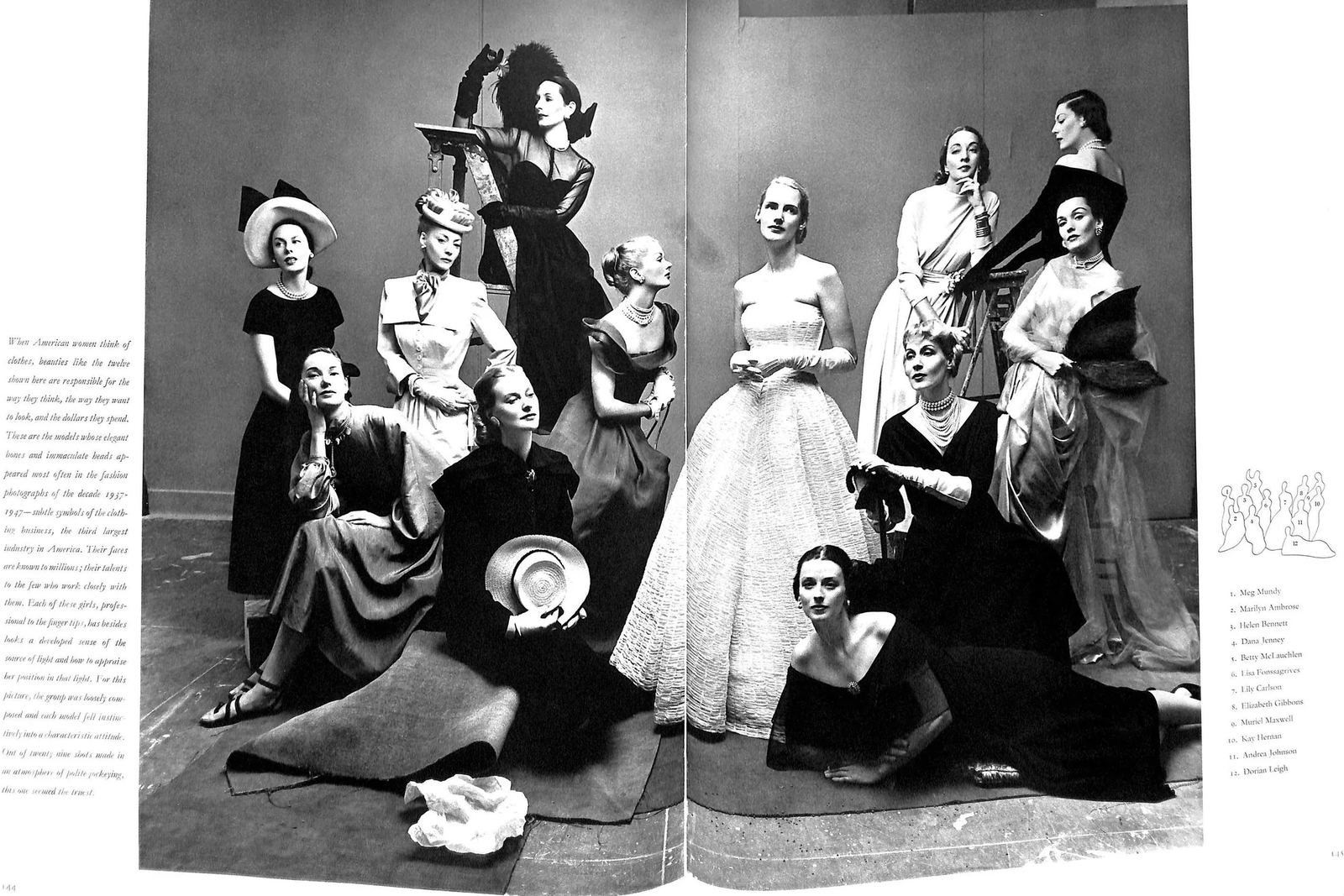
Irving Penn died in 2009, but his Irving Penn fashion photography is having a better career than most living photographers ever will. Days after Paris Fashion Week’s controlled chaos winds down, the Musée de l’Élysée Parfums opens “Penn & Fashion,” a retrospective that lands like a masterclass interrupting a panel discussion. The timing is almost cruel to contemporary practitioners: while current photographers are still uploading their PFW documentation, Penn’s decades-old work arrives to remind the industry exactly what separates documentation from art.
Penn’s particular genius was treating fashion photography as a discipline that could hold the weight of portraiture, still life, and formal composition all at once. Where most fashion work lives in the moment, serving the season and the garment, Penn’s images transcend their original publication. A Vogue cover from 1943 doesn’t read as dated or decorative; it reads as a statement about form, shadow, and the geometry of the human body. His stark studio setups, often against neutral backgrounds, forced the clothes and the subject into a collaboration rather than a performance. That restraint was radical then and remains radical now, in an era when every fashion image is aggressively styled, heavily filtered, and screaming for attention on a 2-by-3-inch screen.
The retrospective format matters here because it refuses the typical fashion magazine logic of novelty and replacement. A photo book or a museum survey lets Penn’s consistent methodology become visible, how he returned to certain ideas, refined his approach to fabric and drape, experimented with unconventional materials and printing techniques. This isn’t nostalgia. It’s evidence that Irving Penn fashion photography demonstrates intellectual rigor and technical mastery produce work that survives fashion itself.