
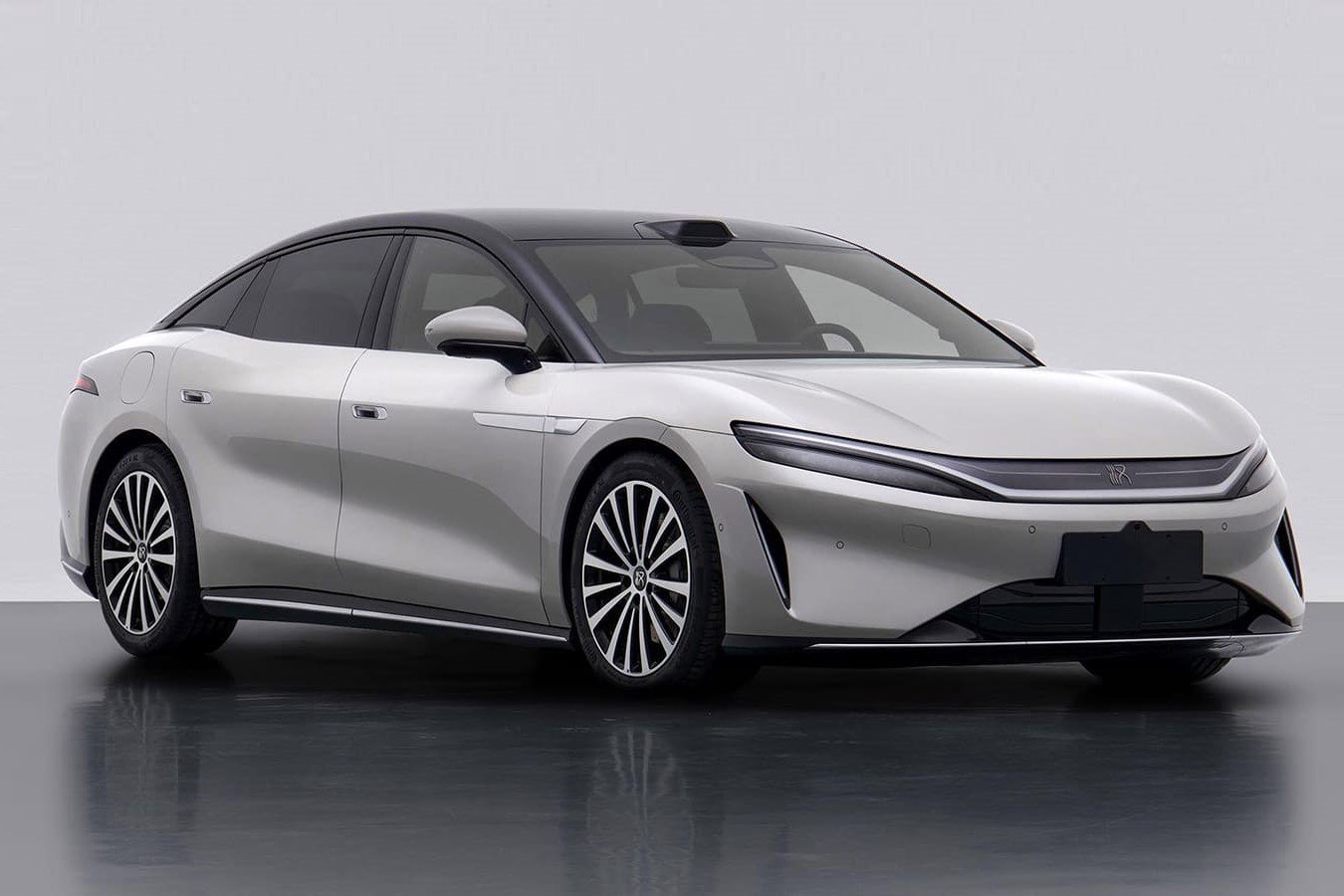
Byd Da Han Ev: When a Chinese automaker drops a sedan with a 0.197 drag coefficient and over 1,000 km of range, the entire EV industry has to recalibrate.
On October 13, BYD Da Han EV arrives as a car that makes aerodynamic theater look quaint, with a 0.197 Cd drag coefficient so low it essentially rewrites what production sedans are capable of. For context, that’s the kind of number automotive engineers have spent decades chasing, the kind of claim that gets tested obsessively and marketed relentlessly when finally achieved. BYD isn’t just hitting it, they’re apparently leading with it as the headline.
The specs read like someone’s optimized fantasy. Paired with that exceptional drag profile is a claimed range stretching past 1,008 kilometers, the sort of distance that transforms how people think about EV practicality. This isn’t marginal efficiency gain territory. A drag coefficient this low fundamentally changes the energy calculus of a vehicle, meaning less power spent fighting air resistance, more miles extracted from the battery pack, and the kind of real-world range that lands somewhere between aspirational and actually achievable depending on your driving patterns. The Da Han EV appears designed from first principles around this aerodynamic obsession, not retrofitted with it as an afterthought.
The BYD Da Han EV suggests a different approach entirely to EV design: strip away everything that doesn’t serve the mission, obsess over airflow, and let the physics do the talking. In an industry where range anxiety and efficiency gains often feel incremental, the Da Han EV positions itself as a fundamental rethinking of how sedans should perform. When the BYD Da Han EV launches this October, it won’t just be another long-range EV. It’ll be the moment aerodynamics stopped being a secondary concern and became the primary design principle.