Experimental Roma: The cult Paris design hotel brand debuts in Italy with 82 rooms, a rooftop pool, and chef Giovanni Passerini’s culinary vision inside a converted historic bank.
There’s a particular kind of electricity that runs through Rome when Experimental, a Paris-born hospitality brand, decides the Eternal City is finally ready. Experimental Roma, the French collective that built its reputation on intimate, design-forward hotels with genuine personality rather than corporate gloss, is opening its first Italian location this October in a neighborhood that still carries the weight of its golden-age cinema mythology. The site is a converted bank building steps from Via Veneto, the tree-lined boulevard where Fellini filmed La Dolce Vita and where mid-century glamour still lingers in the stone facades and vintage espresso bars.
The property will house 82 rooms across what promises to be a studied exercise in restrained luxury. Rather than the maximalist pastiche often deployed in heritage hotels, Experimental’s approach has always centered on editing, on the kind of carefully considered design that feels inevitable rather than imposed. A rooftop pool anchors the experience, offering a rare vantage on the city’s skyline and the quieter piazzas that radiate from this corner of central Rome. The conversion itself speaks to a particular moment in European hospitality where adaptive reuse has become not just economically smart but culturally imperative, transforming a mid-century financial institution into a destination that has nothing to do with money and everything to do with how you spend time.
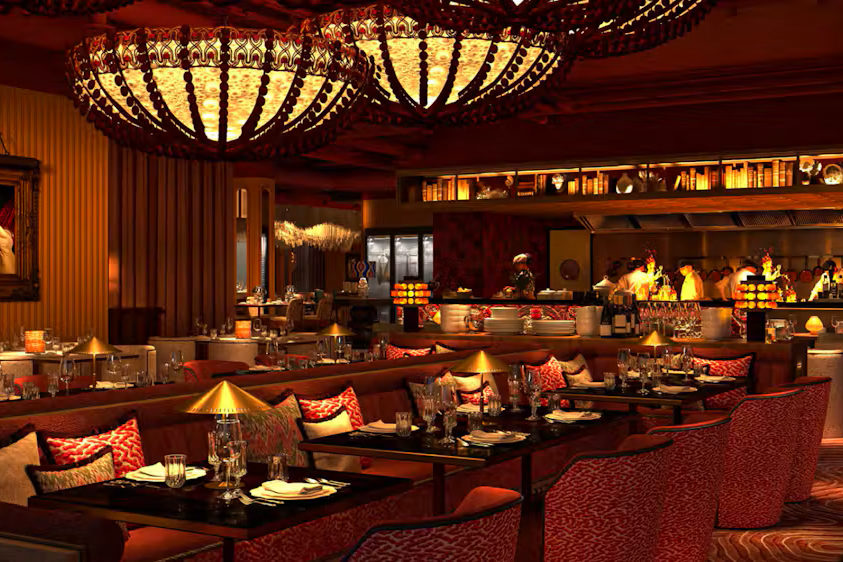
What distinguishes this opening is the involvement of Giovanni Passerini, the chef whose restaurants in Rome have become quiet fixtures among people who actually know how to eat in the city. His presence at Experimental Roma suggests this is not a hotel that plans to serve competent breakfasts and outsource dinner. Instead, expect the kind of integrated food program where the restaurant becomes part of why you book a room in the first place. It’s a model that presupposes the guest values proximity to real culinary thinking over branded luxury theater. The October opening arrives as Rome’s hotel landscape continues a subtle generational shift, one where younger travelers and seasoned collectors alike are retreating from the predictable grandes dames toward places with a genuine point of view.