Waldorf Astoria London: A Grade I-listed royal monument transforms into the capital’s most ambitious luxury opening, with Michelin-starred ambition and ceremonial weight.
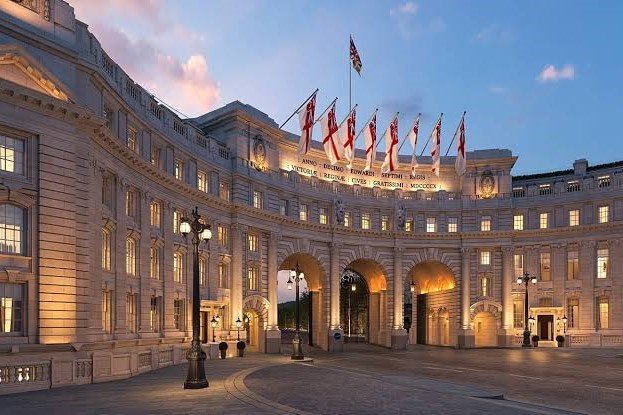
Admiralty Arch has stood sentinel at the head of The Mall since 1911, a stone-carved proclamation of imperial power and civic grandeur. For over a century, it remained exactly what it was built to be: monumental, untouchable, locked into the architectural grammar of the British state. Now, this autumn, Waldorf Astoria is moving in, converting the Grade I-listed monument into London’s most historically freighted hotel debut. The operation carries real weight. You’re not simply booking a suite in a converted palace; you’re staying inside a building that once housed government offices and survives as one of the capital’s most immediately recognizable structures.
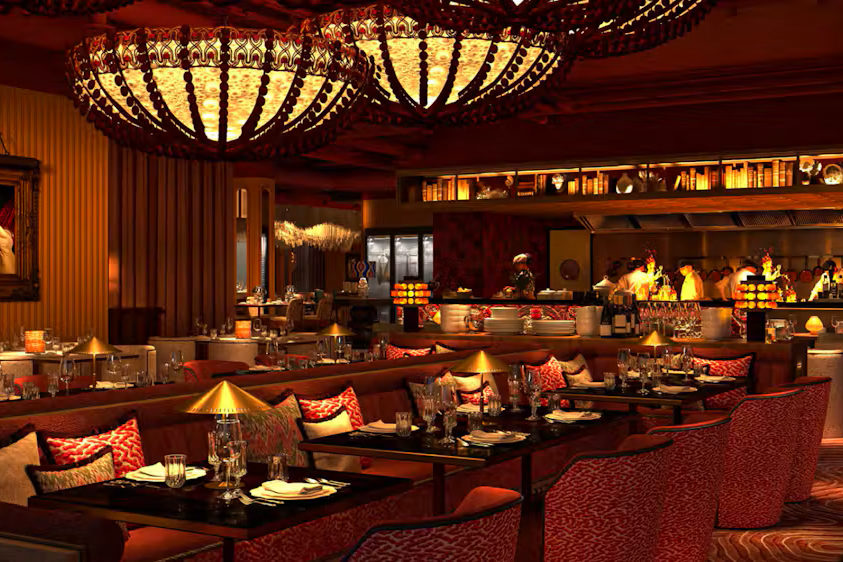
The kitchen is where the ambition sharpens into focus. Daniel Boulud, the Michelin-decorated French chef whose restaurants have functioned as cultural institutions across New York, Los Angeles, and beyond, is overseeing culinary direction at the property. Clare Smyth, a chef of similarly exacting pedigree and technical depth, anchors the day-to-day kitchen operations. The two represent a particular philosophy: this isn’t a hotel restaurant grafted onto a luxury property as an afterthought. This is a destination kitchen housed within a destination building. The combination signals intent. Waldorf Astoria isn’t simply adapting Admiralty Arch to hospitality standards; it’s installing the kind of culinary credibility that transforms a hotel from a place to sleep into a place cultural London actually wants to be.
The logistics alone read as remarkable. Retrofitting a listed royal monument for contemporary hotel use requires navigating layers of heritage protection, architectural constraint, and ceremonial expectation that would sink most developments before groundbreak. The fact that this Waldorf Astoria London opening exists at all suggests something beyond standard luxury hospitality ambition: a willingness to undertake genuine structural and institutional risk in service of a single vision.