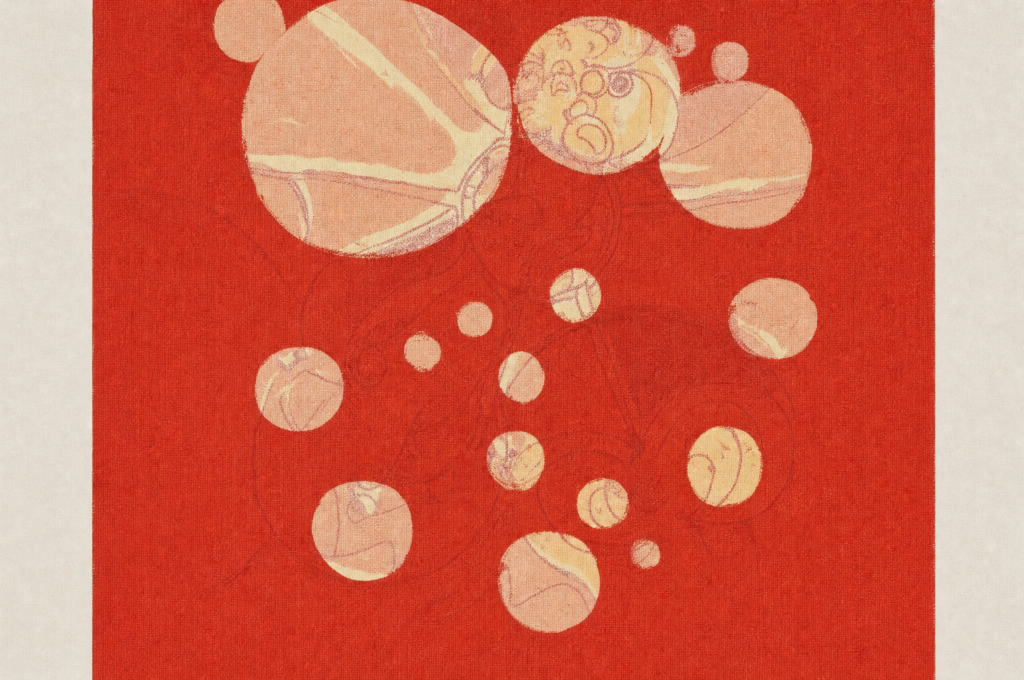
Louise Bourgeois Extreme Tension: The artist’s first major Paris institutional show in 16 years opens October 20, bringing together the BnF and Pompidou’s combined holdings for the most ambitious paper-based survey ever mounted in the city.
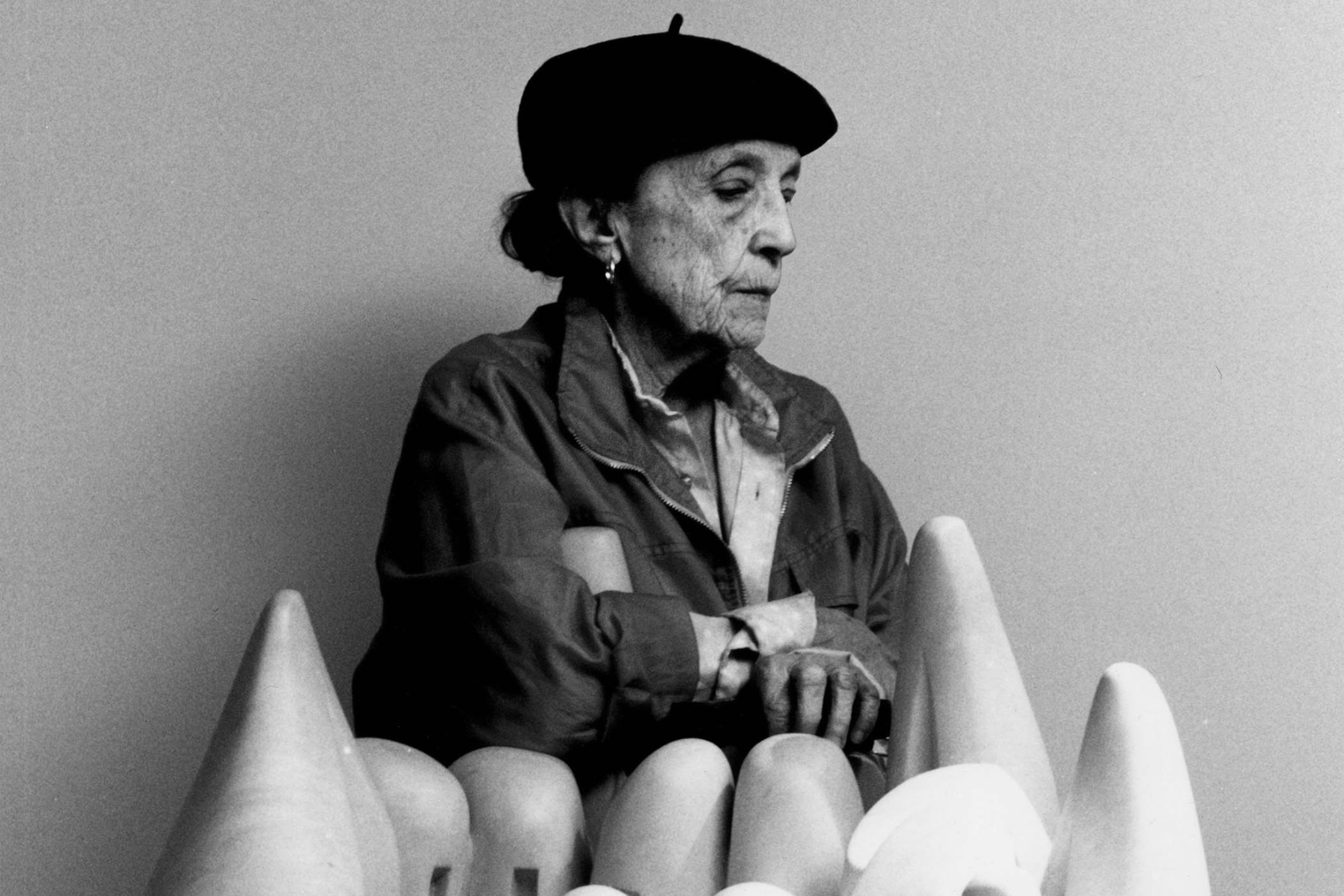
Louise Bourgeois returns to Paris institutional prominence this month with “Extreme Tension,” a landmark retrospective opening October 20 at Centre Pompidou. The exhibition marks the French-American artist’s most significant solo presentation in the capital since 2008, and it arrives as a decisive statement on her legacy: 200 works drawn almost entirely from paper media, amassed through an unprecedented partnership between two of France’s most vital cultural repositories, the Bibliothèque Nationale de France and Centre Pompidou itself.
The scope here matters. Bourgeois spent decades working across drawing, printmaking, collage, and works on paper, yet these mediums have rarely received the institutional weight of her monumental sculpture and installations in retrospectives. This exhibition corrects that record by centering her graphic output as central to understanding her full artistic intelligence. The combined holdings of the BnF and Pompidou provide density and range that no single institution could muster alone, allowing curators to trace thematic throughlines across her seven-decade career without the usual gaps that plague Bourgeois surveys elsewhere. The works span from early abstract compositions through her late-career confrontations with memory, psychology, and the body, encompassing prints made with collaborators, hand-drawn pieces marked by obsessive repetition, and collages that foreshadow her sculptural thinking.
The combined holdings of the BnF and Pompidou provide density and range that no single institution could muster alone, allowing curators to trace thematic throughlines across her seven-decade career. Louise Bourgeois Extreme Tension arrives as a decisive institutional statement on her legacy, correcting the record by centering her graphic output as central to understanding her full artistic intelligence during this moment when major museums globally are reassessing how paper-based work deserves recognition.