Celebrity Beauty Brands: A supermodel and pop star enter beauty simultaneously, underscoring the category’s unstoppable momentum.
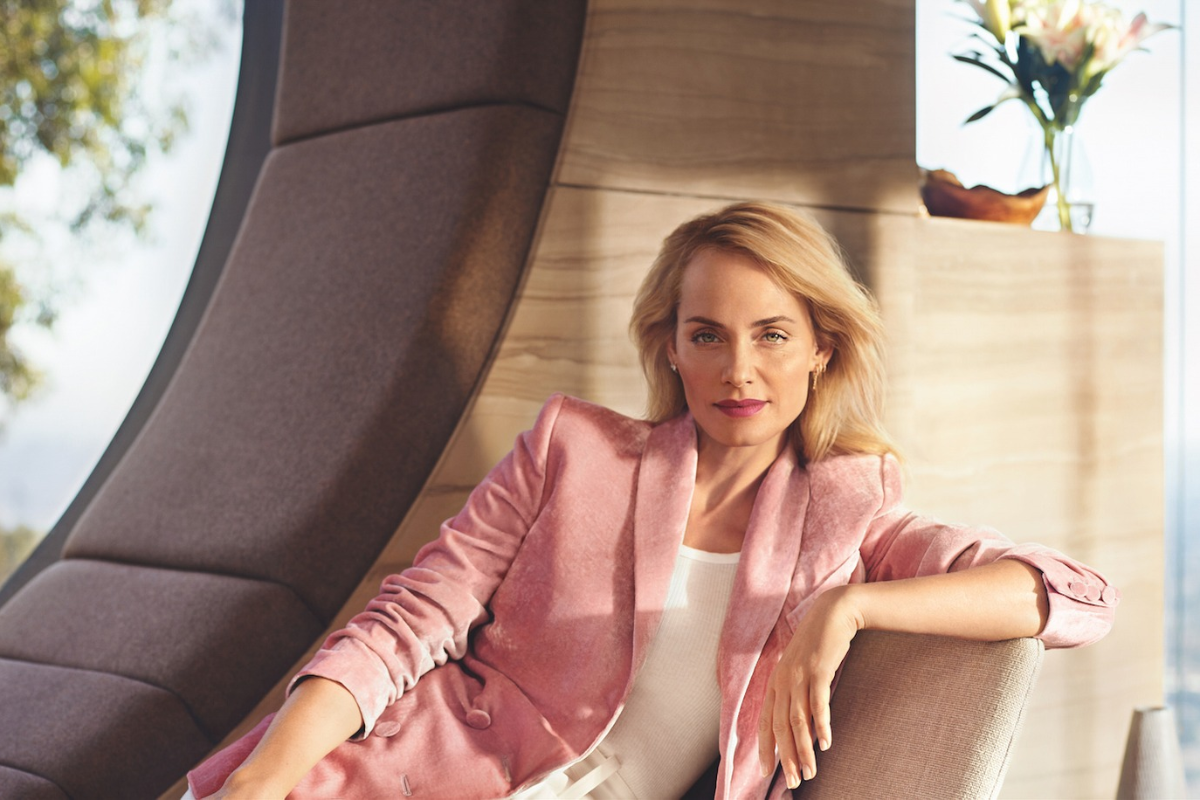
Amber Valletta and Tate McRae are launching celebrity beauty brands this week, marking the latest wave of celebrity entrepreneurs flooding a market that shows no signs of cooling. Valletta, the 90s supermodel who defined a generation of runway culture, is leveraging three decades of image-making expertise into her own line, while McRae, riding the momentum of her chart-dominating “Greedy” era, is translating her Gen Z magnetism into cosmetics and skincare. The simultaneous launches aren’t coincidental, they’re symptomatic of how thoroughly celebrity beauty has woven itself into pop culture’s infrastructure.
What’s notable isn’t that celebrities are launching beauty brands; it’s the sheer volume and velocity. Every major cultural figure with an engaged following now sees a beauty line as an inevitable next chapter. Valletta’s move carries particular weight because her credentials span actual fashion and image authority, not just fame. She’s not entering blind. McRae, meanwhile, represents the streaming-native superstar archetype that Gen Z consumers follow across platforms; her audience is already primed to buy what she creates. Both launches tap into different demographic lanes, yet occupy the same retail real estate and social media space.
The beauty category has become one of the few areas where celebrity leverage still translates directly to product velocity and retail placement. Unlike fragrance, which hit saturation years ago, makeup and skincare continue expanding. Neither market position nor pricing has stabilized; a celebrity beauty brands launch can land at Sephora or DTC, price at prestige or mass, occupy niche ingredient-forward positioning or broad appeal. That flexibility means virtually anyone with a recognizable face and a production partner can enter.