The Japanese fast-fashion giant abandons the playbook entirely, asking customers to pick not just clothes but entire universes.
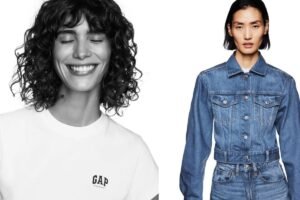
GU just did something that shouldn’t work in fast fashion. Instead of dropping a seasonal collection with a few thematic threads, the Uniqlo subsidiary’s fall 2026 lineup under creative director Francesco Risso arrives as six completely separate lifestyle worlds. Each one is a fully realized concept with its own visual language, narrative logic, and cultural point of view. You’re not buying a hoodie; you’re buying into a world.
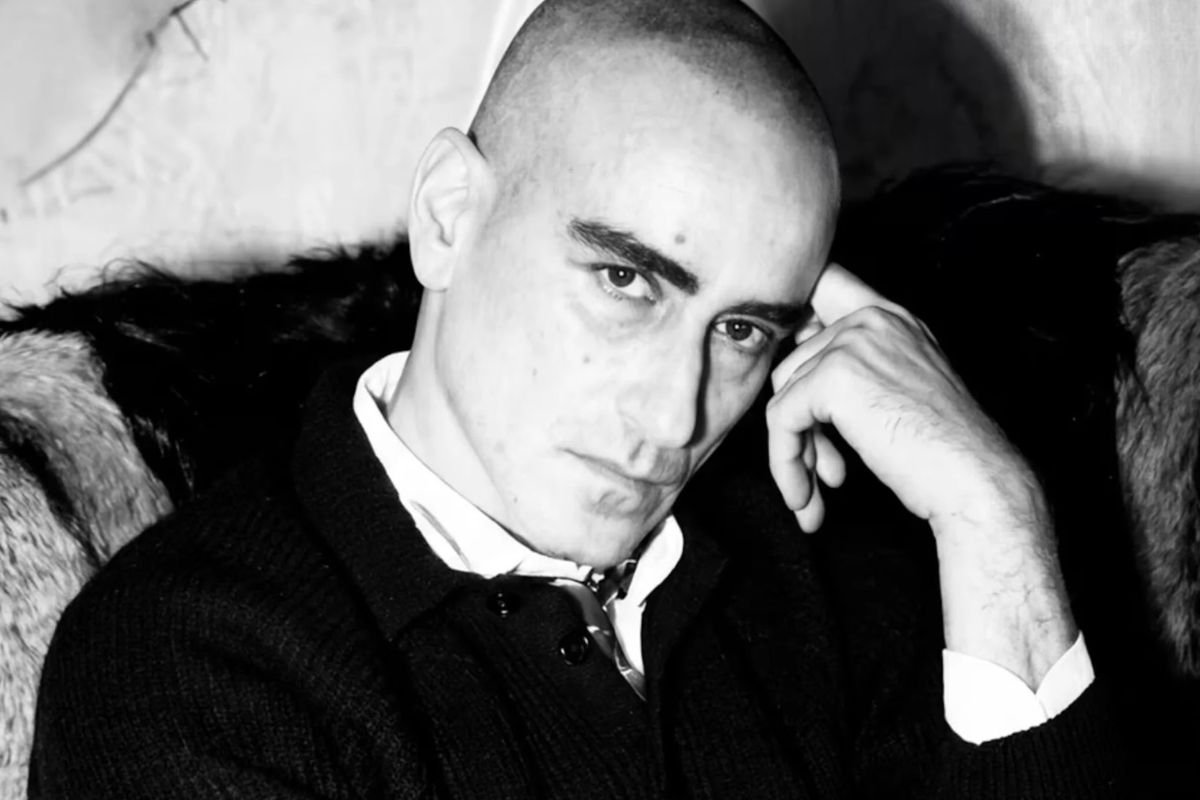
This is Risso’s biggest swing yet at GU. His previous work at Margiela built a reputation for architectural thinking and conceptual rigor, the kind of brain that sees fashion as total environment design rather than seasonal wardrobe refreshment. At GU, a brand built on accessibility and speed, that philosophy could read as pretentious or impossibly expensive to execute. Instead, he’s engineered something that feels inevitable: if you’re going to make clothes for people living in different cultural moments simultaneously, why pretend they’re all shopping the same collection?
The risk is obvious. Most customers don’t think about fashion worlds; they think about whether something fits and whether they can afford it. Fracturing a seasonal lineup into six distinct concepts instead of one cohesive narrative is a harder sell, both internally and to retail partners. But there’s a shrewdness here too. Fast fashion lives or dies by its ability to reflect actual culture velocity. Six parallel narratives instead of one top-down story is actually closer to how people actually consume identity right now. The bet is that breadth and self-selection beat singularity.
Whether GU’s supply chain and price point can sustain Risso’s conceptual ambition remains to be seen. But the move itself signals something real: the old model where a brand tells you who you are is losing ground to one where you pick your tribe from the menu and build from there. In fast fashion, that’s revolutionary.