Interest in extended Italian stays has doubled in a month as travelers abandon the museum-dash model.
Travelers are trading museum marathons for month-long Italian sojourns. Google search interest in “slow travel Italy” has spiked 100 percent over the past month, signaling a sharp pivot away from the traditional speed-tour approach that’s defined decades of European vacation culture.
The surge reflects a broader recalibration in how people plan trips. Rather than cramming Rome, Florence, and Venice into a 10-day blur, the emerging preference is for extended residential stays that allow time to live in a place rather than merely photograph it. Search data shows that month-long stays in Italy specifically have become a breakout query, suggesting travelers are now actively seeking accommodation and logistics for longer commitments.
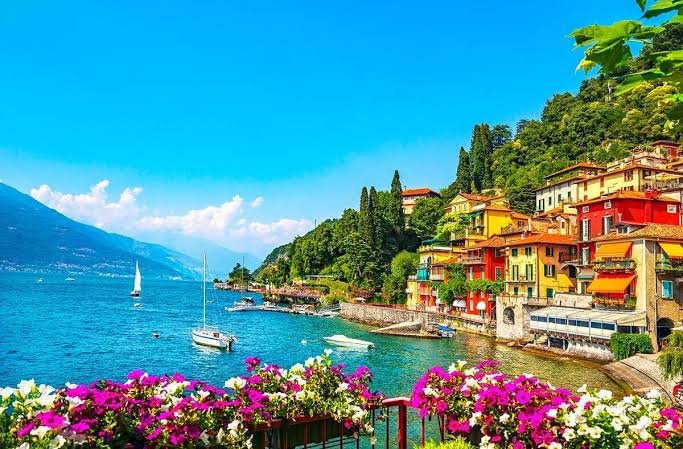
This shift tracks with wider dissatisfaction with compressed travel itineraries that leave visitors exhausted rather than enriched. The slow travel model, which gained theoretical traction during pandemic lockdowns, is now translating into actual booking behavior. Italy, with its regional wine country, smaller coastal towns, and walkable city neighborhoods, has become the ideal test case for this approach. Visitors staying longer can actually develop relationships with shopkeepers, discover unmarked restaurants, and spend afternoons without an agenda.
The timing aligns with post-pandemic travel psychology: people who delayed trips for years are now less interested in rushing through a checklist and more interested in depth. Extended stays also offer economic advantages for travelers willing to commit, since weekly rental rates typically undercut nightly hotel pricing. For Italy’s tourism infrastructure, the trend suggests a potential redistribution of visitors beyond the overcrowded core cities.