
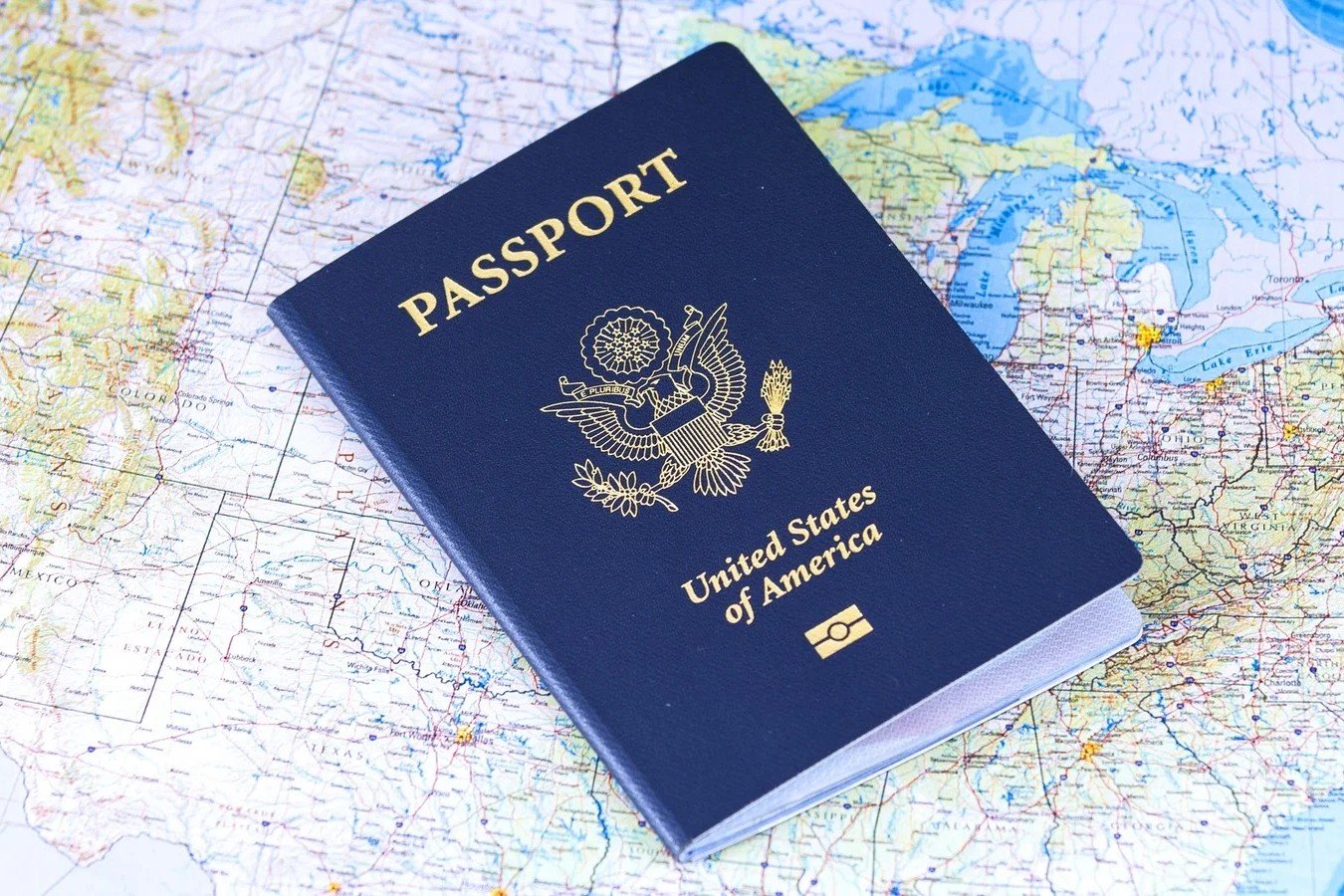
The US slipped 31 spots in global travel rankings since 2021, signaling a seismic shift in how the world sees American mobility.
The United States passport just experienced its sharpest decline in the history of global travel rankings. In 2021, American travelers could enter 188 countries visa-free or with minimal friction. Today that number has cratered to 157 countries, a 31-place freefall that rewrites the rules for an entire generation of American travelers accustomed to moving through the world with minimal resistance.
This isn’t about a single policy shift or one country closing its borders. The cascade reflects dozens of small diplomatic tremors, visa requirement changes, and geopolitical recalibrations that have accumulated into something far more significant. Other passports have quietly gained ground. Travelers from the United Arab Emirates, Singapore, and France now enjoy visa-free access to more destinations than Americans do. The gap is real and widening.
For decades, the American passport functioned as a kind of global gold card, a tangible emblem of US soft power and economic dominance. That mythology has cracked. The practical implications are already reshaping how young Americans plan international moves, where digital nomads choose to base themselves, and which countries offer easier entry points to the rest of the world. A passport ranking that once felt irrelevant to mainstream conversation has become a real constraint on movement and opportunity. The world is no longer automatically rolling out the welcome mat for Americans.