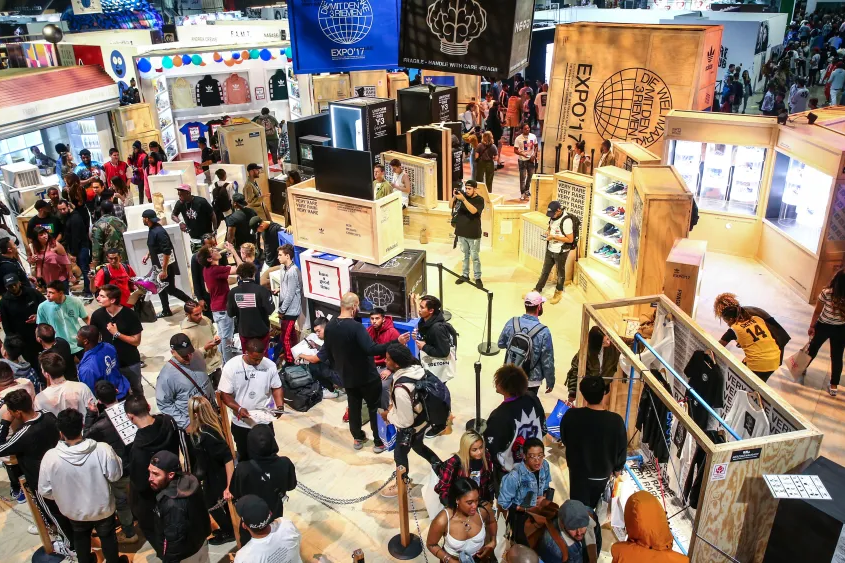
Complexcon: LA’s defining streetwear convergence hits a milestone edition with the culture architect and a rap visionary at the helm.
ComplexCon lands in Los Angeles this weekend for its tenth anniversary, and the festival has stacked the lineup with two figures who’ve spent the past decade reshaping what the event actually means. Playboi Carti and Hiroshi Fujiwara are directing this edition, two names that represent the exact intersection of music, fashion, and underground credibility that has kept ComplexCon from ever feeling like a corporate cash grab despite its massive scale.
A decade in, ComplexCon has become more than a shopping event. It’s functioned as a real-time archive of how streetwear moved from subculture to infrastructure, and this anniversary edition reflects that evolution. The festival has always been where emerging designers, established luxury houses, and underground collectives exist in the same room, where a kid can see a sample from a Japanese brand owner one booth over from a major streetwear drop. Fujiwara’s involvement is particularly charged, as someone who literally architected the blueprint for how Japanese street culture and global fashion could merge, his curatorial hand on this edition feels almost like a validation that ComplexCon itself became what he was thinking about when fragment was first becoming a name that mattered. Carti’s presence speaks to another current running through the decade: the way hip-hop’s influence on fashion has only deepened, not diminished.
The tenth anniversary arrives at a particular moment for streetwear itself. The market has consolidated in some ways, with brands that felt niche ten years ago now operating at scale. But ComplexCon hasn’t contracted, if anything, the festival’s ability to feel essential in 2024 hinges on its refusal to pick a lane. It remains a place where hype culture and genuine craftsmanship sit together, where collectors and casual browsers move through the same corridors, where what’s limited and what’s mass-produced share equal real estate. That balance is harder to maintain now than it was in 2015, and this edition proves the festival still knows how to play it.