Yayoi Kusama Retrospective: The Stedelijk Museum opens a career-spanning survey of the Japanese visionary this fall, marking her most comprehensive exhibition to date.
The Stedelijk Museum in Amsterdam is mounting what amounts to a full historical reckoning with Yayoi Kusama this fall, assembling a major retrospective that traces the Japanese artist’s output across seven decades. The scope is ambitious: the show will move through her early abstractions and obsessional drawing practices, her legendary 1960s pop interventions and immersive installations, and the kaleidoscopic pumpkin sculptures and infinity rooms that have become global cultural touchstones in recent years. For an artist who has maintained an almost monastic creative discipline since the 1950s, a single exhibition attempting to hold her entire trajectory poses a genuine curatorial challenge.
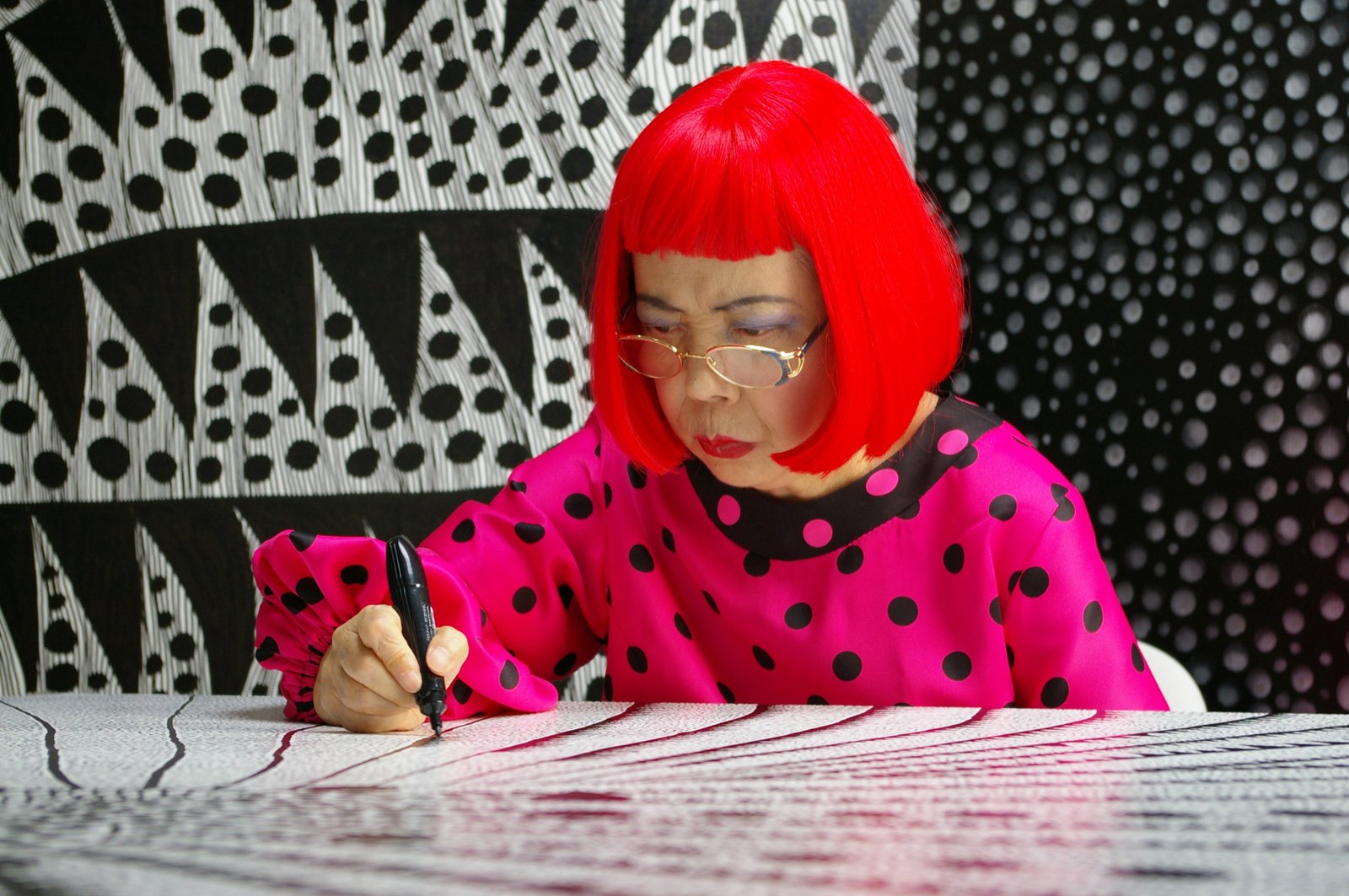
Kusama’s practice has always resisted easy periodization. While museums tend to frame her through the lens of her immersive infinity rooms, which have become Instagram phenomena and attendance drivers worldwide, that’s only the most visible fraction of a body of work grounded in compulsive mark-making, mathematical repetition, and a deeply personal visual vocabulary rooted in childhood hallucinations. Her early work in Japan, her years in New York during the height of the avant-garde, her retreat to a psychiatric facility in Tokyo in the 1970s, and her subsequent decades of prolific output from her studio compound form a narrative that resists the clean arc most museum surveys demand. The Stedelijk’s decision to encompass all of it signals a willingness to engage with Kusama’s full complexity rather than cherry-picking the Instagram-ready moments.
At 95 years old, Kusama remains active in her studio, continuing to produce paintings, sculptures, and conceptual works with the same intensity that has defined her entire career. This Yayoi Kusama retrospective arrives at a moment when her influence on contemporary art and popular culture has never been more pronounced, making the Stedelijk’s comprehensive historical survey both timely and essential.