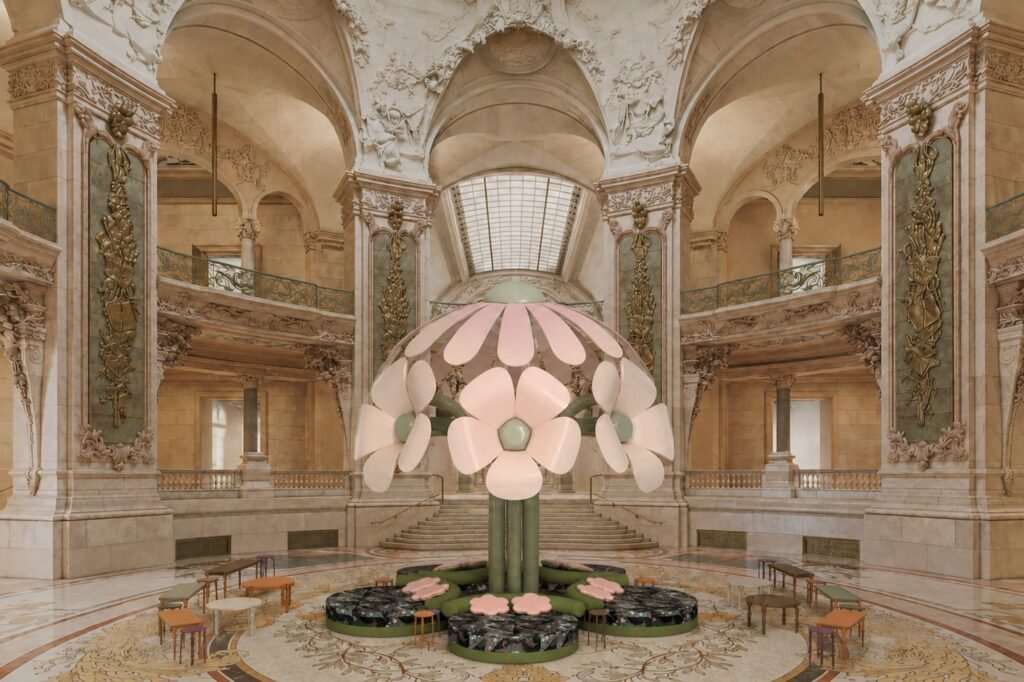
London Design Festival: The iconic September event brings its sprawling design circuit into central London’s creative hub, reshaping how visitors navigate the city’s design calendar.
For the first time in nearly a quarter century, London Design Festival is venturing into Soho. The storied September showcase, which has defined how the design world moves through London since its 2000 inception, is now mapping a fresh route through one of the city’s most culturally dense neighborhoods. Soho’s inclusion marks a significant shift in how LDF approaches its geography, threading the festival across more intimate, streetlevel spaces rather than relying solely on the traditional institutional and commercial corridors that have anchored previous editions.
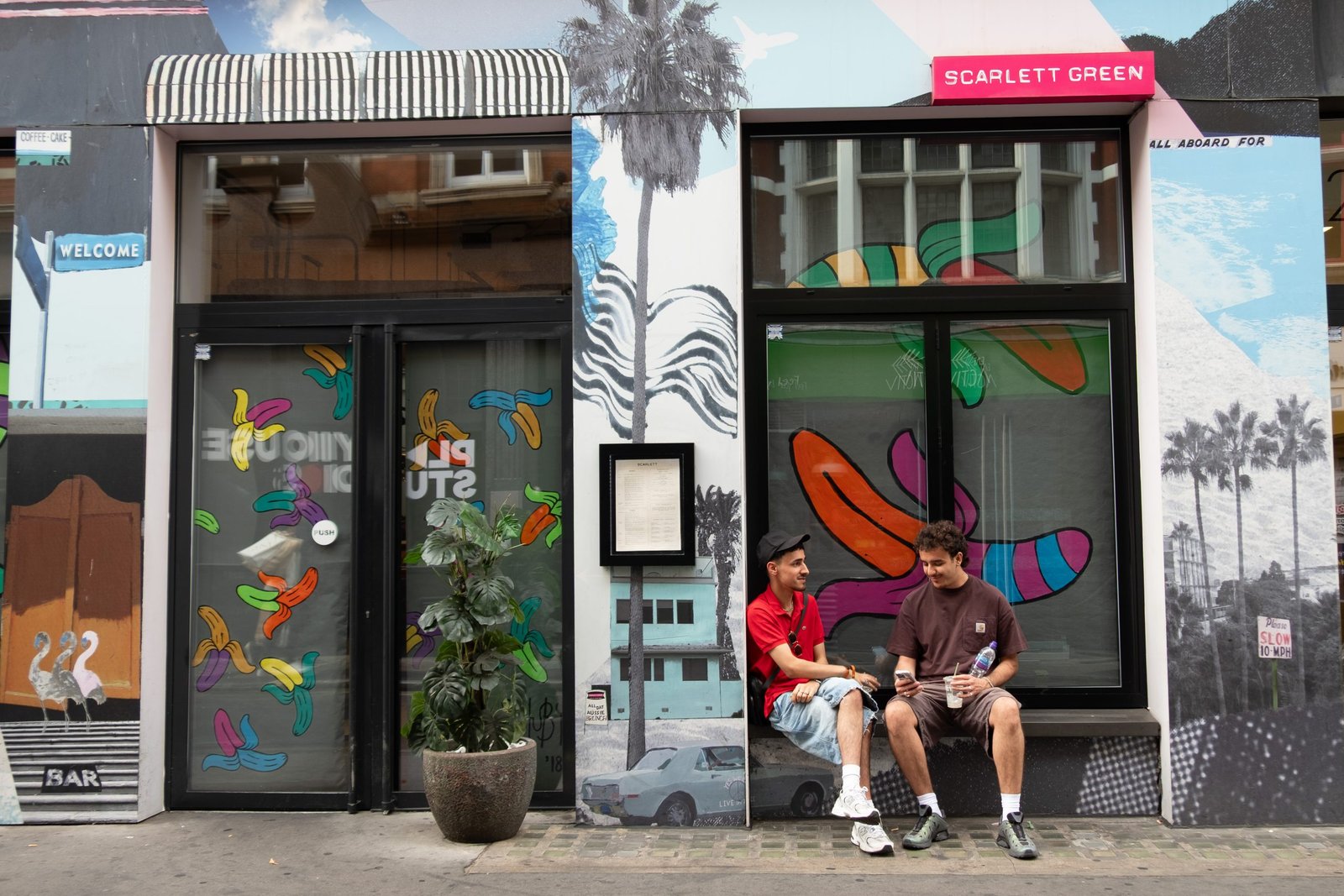
The neighborhood, long synonymous with independent galleries, underground design studios, and the kind of creative density that feels opposite to corporate gallery white boxes, seems a natural but notably belated addition to the festival’s circuit. Soho has hosted exhibitions and design-adjacent events before, but LDF’s official integration suggests a deliberate pivot toward neighborhoods that operate outside the typical major-venue hierarchy. The move opens the possibility of discovering emerging designers and experimental projects in spaces that might not normally be on the festival’s formal roster, creating the kind of serendipitous encounters that drive design culture beyond the established names.
The 24th edition positions London Design Festival as a sprawling, less monolithic event than in previous years. Rather than concentrating visitor traffic in predictable zones, Soho’s arrival as an official destination essentially redrew the festival’s mental map. September visitors will now have reason to explore deeper into the West End, discovering design work embedded in the neighborhood’s fabric rather than cordoned into discrete venues. It’s a strategic expansion that acknowledges how design culture actually moves through the city, with London Design Festival leading the charge toward a more democratized, neighborhood-focused approach to celebrating contemporary design.