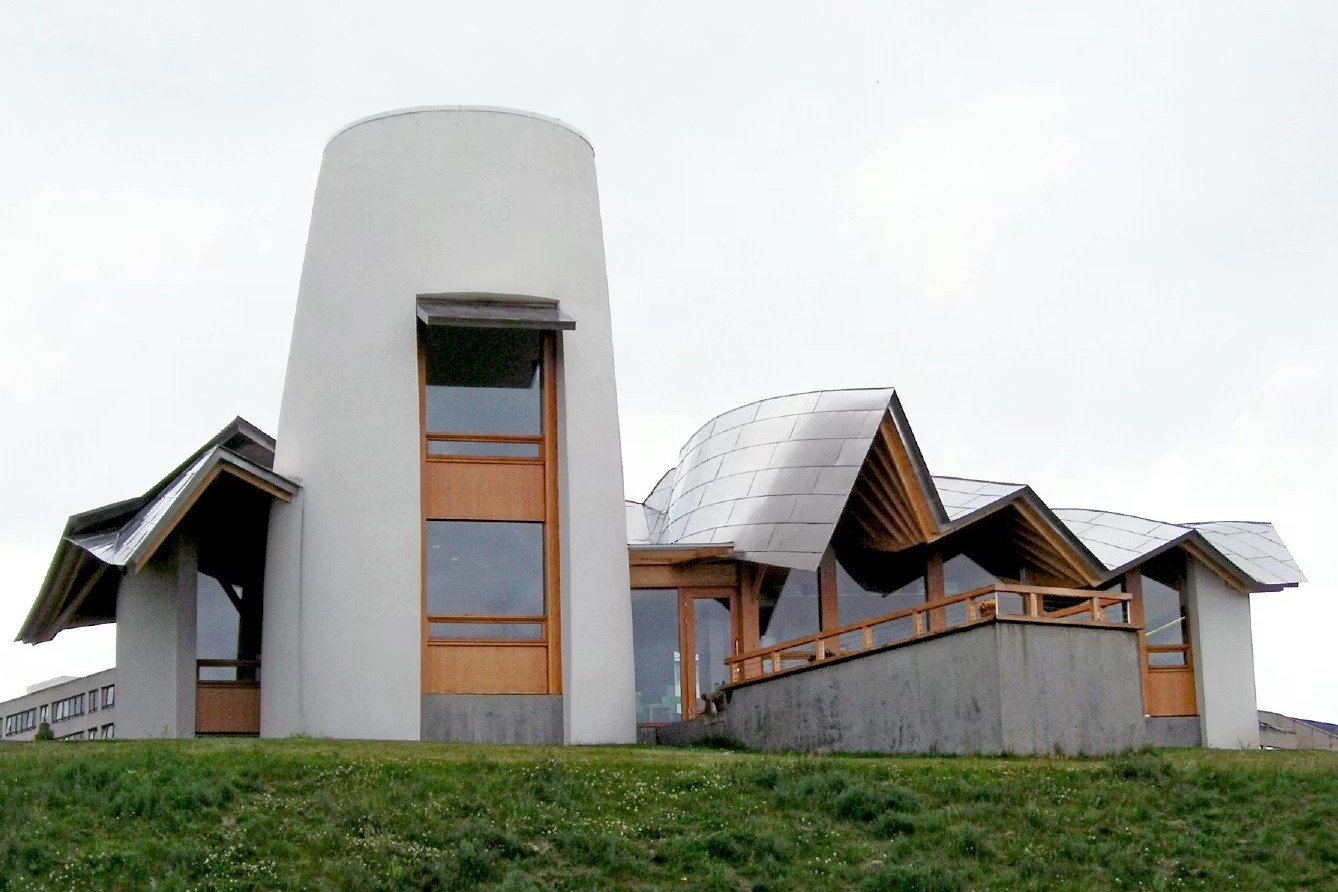
V&A Dundee’s new exhibition transforms a network of cancer support spaces into a landmark study in how design can heal.
Walk into a Maggie’s Center and you won’t find the antiseptic coldness of institutional healthcare. Instead, there are kitchen tables where people gather, sunlit rooms that breathe, staircases that double as social spaces. It’s architecture that refuses to whisper. Now, for the first time, this quietly radical design movement gets its formal exhibition stage: V&A Dundee’s new show lifts these spaces into cultural conversation, positioning them as a serious architectural achievement rather than a footnote in the margins of design history.
The story here isn’t about a single building. Maggie’s Centers, the network of support facilities for cancer patients and their families, represents something rarer in contemporary architecture: a shared belief system. Firms like Zaha Hadid, Norman Foster, and others have contributed to the sprawling global network, each bringing their own language but united by a common purpose. The centers operate on a deceptively simple principle: remove the fear from the space, and you change the conversation around illness. That’s not marketing speak. It’s visible in every choice, from materials to light quality to the deliberate absence of hospital aesthetics.
The exhibition arrives as part of a broader design calendar moment. Helsinki Design Week runs parallel, anchoring August as a real season for design discourse rather than the usual summer lull. What makes Maggie’s the linchpin, though, is that it exists at the intersection of genuine cultural need and architectural ambition. This isn’t a retrospective of dead movements or a survey of luxury goods. It’s an exhibition about how buildings actually change lives, displayed in a museum setting that finally gives such work the intellectual weight it deserves.