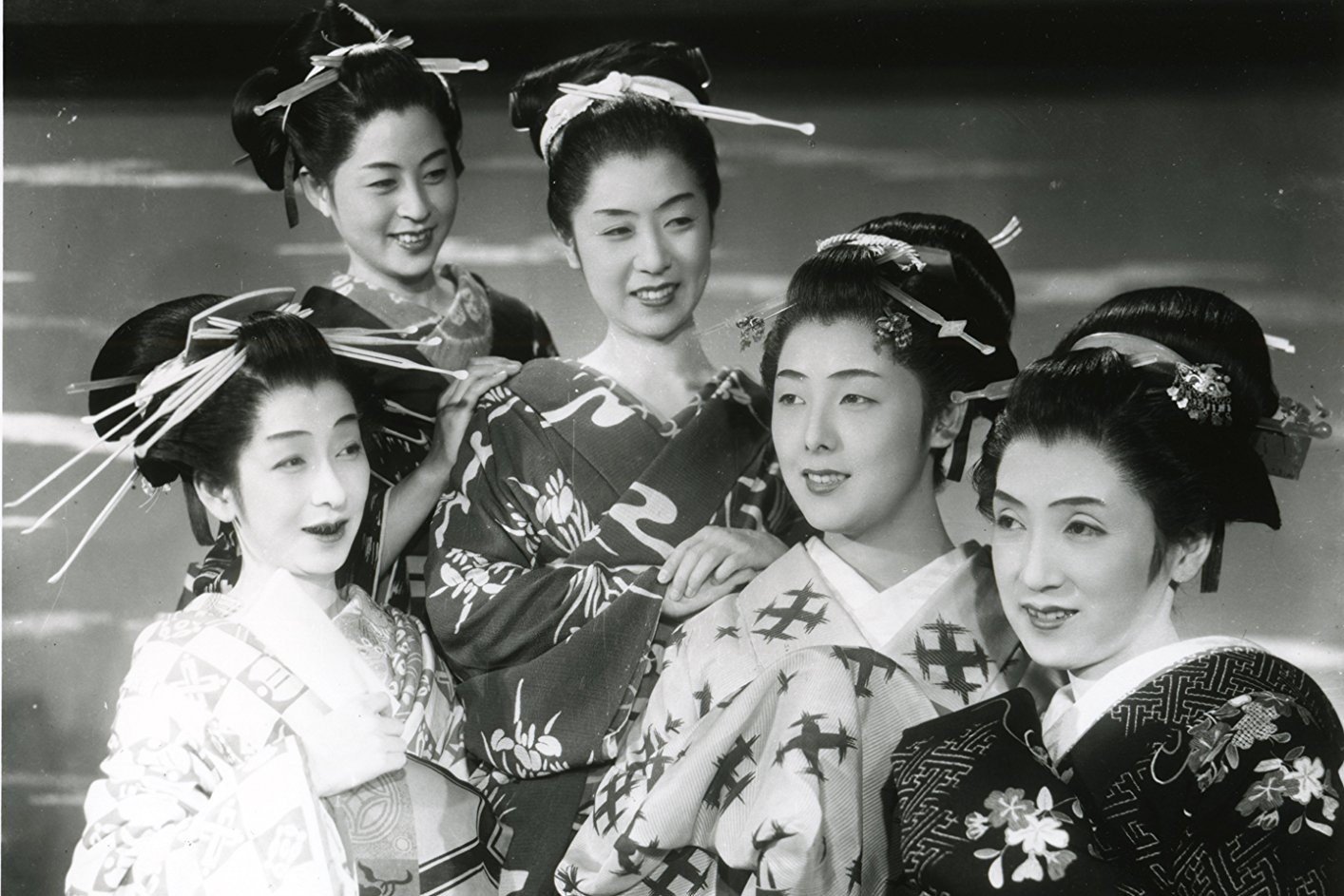
Kitagawa Utamaro’s Utamaro woodblock prints didn’t just depict women, they codified them. The master woodblock artist of Japan’s Edo period created an entirely new visual language for depicting feminine grace, allure, and complexity that would influence Western aesthetics for centuries. Now, 40 of his most significant prints are arriving at the Art Institute of Chicago starting September 23, marking one of the few times such a concentrated collection of his work has been gathered outside Japan.
Utamaro’s output was prolific and obsessive. He spent decades refining the “muromachi” or “portrait of a beautiful woman” genre, a form that had existed before him but that he elevated into something approaching fine art. His subjects weren’t idealized fantasies but nuanced psychological studies: courtesans caught mid-conversation, women applying makeup at their mirror, figures whose expressions conveyed ambition, boredom, calculation, or genuine connection. The woodblock medium itself, with its layers of pigment and hand-printing process, gave his images an intimate, almost tactile quality that even high-resolution reproductions struggle to capture. Color saturation, the subtle gradations of shadow, the texture of the paper: these details demand being seen in person.
The exhibition arrives at a moment when Utamaro’s reputation has been substantially rehabilitated among serious collectors and curators. For much of the 20th century, his work was dismissed as decorative or commercial, a reputation that says more about Western hierarchies of “fine” versus “applied” art than about the actual sophistication of his compositions. Recent scholarship has positioned him as a complex observer of Edo society, whose Utamaro woodblock prints function simultaneously as entertainment, social commentary, and technical achievement.