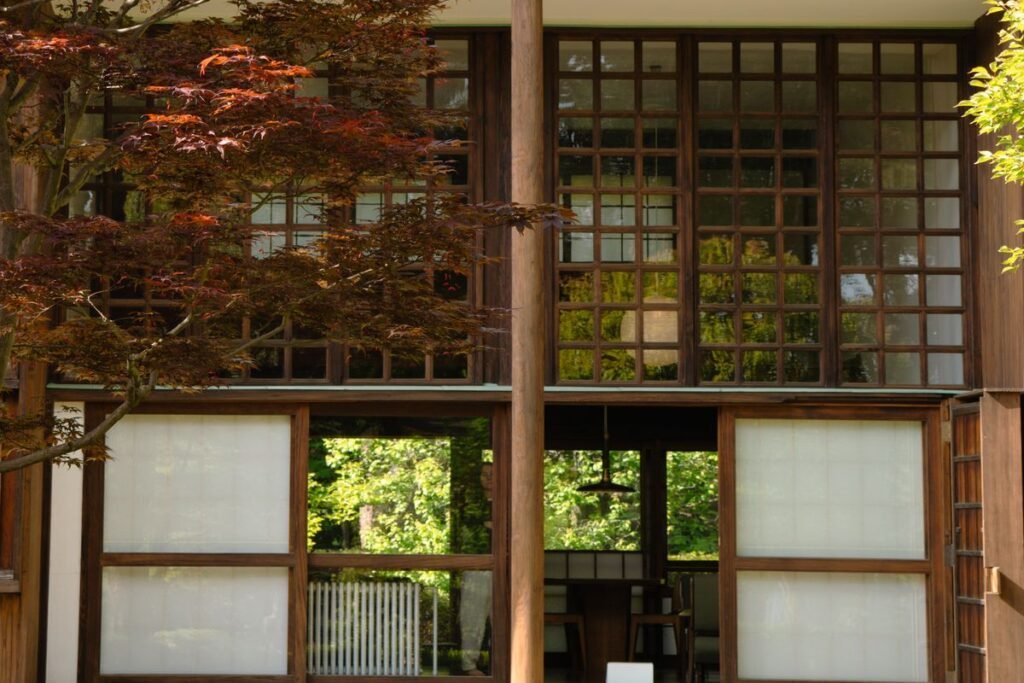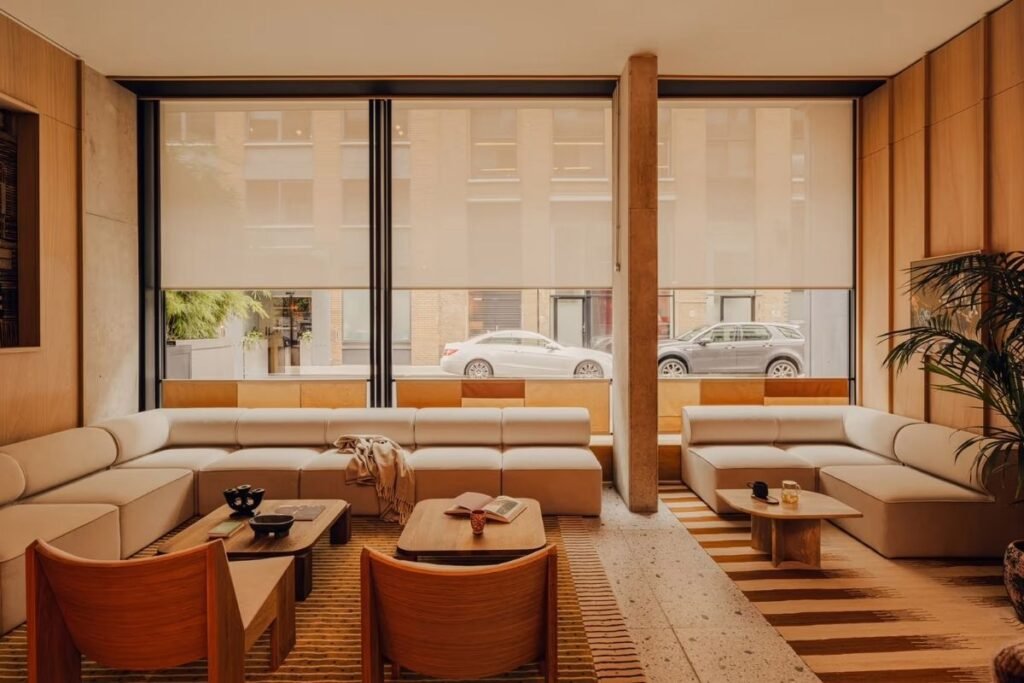
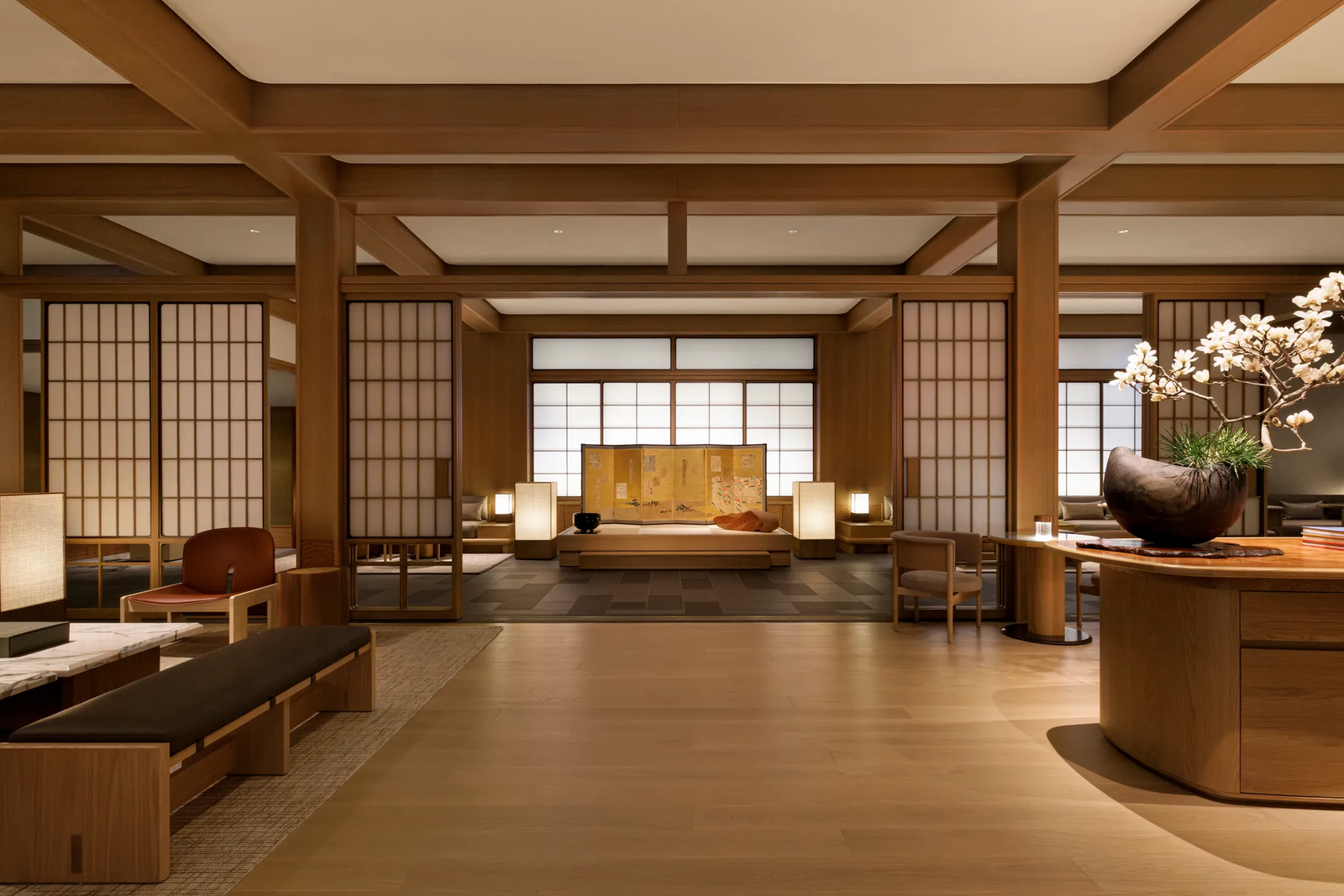
Kengo Kuma has done it again. The visionary architect behind Tokyo’s wooden Tsukiji Outer Market renovation and the 2020 Olympics stadium redesign has just completed his most intimate project yet: converting a defunct school into Capella Kyoto, a 16-room ryokan that opens in 2026 within the atmospheric Miyagawa-chō geisha quarter. The intervention is characteristically Kuma, restrained, material-focused, and obsessed with how light moves through space, but the stakes feel higher here. He’s not just designing another boutique hotel; he’s negotiating between competing visions of what Kyoto can be in the luxury travel boom.
The location itself is a provocation. Miyagawa-chō sits in the shadow of the more famous Gion district, which has become saturated with high-end tourist infrastructure. By planting Capella in this historically quieter geisha enclave, the project signals a deliberate resistance to the overcrowded heritage-tourism playbook. The school’s bones remain: wooden structural elements, generous vertical spaces, and the kind of institutional plainness that only gains richness through time. Kuma hasn’t erased this DNA. Instead, he’s amplified it through a careful palette of natural materials, stone, timber, plaster, that echo traditional machiya townhouse aesthetics without becoming a pastiche. The architecture reads as restraint masquerading as luxury, which is precisely the move Kyoto’s most discerning travelers are now hunting for.
What distinguishes Capella Kyoto from the wave of high-end ryokan conversions is its integration into the living geisha district rather than its separation from it. Guests aren’t sequestered in a heritage bubble; they’re embedded in an active cultural landscape where machiya restaurants, galleries, and performance spaces operate around them. The hotel includes dining components curated around Kyoto’s seasonal ingredient culture and direct relationships with local artisans and producers. This isn’t a museum; it’s a fully operational node within the neighborhood’s actual economy. The 16-room scale is deliberately small, a direct rejection of the scalability logic that has transformed much of central Kyoto into a theme park version of itself.
The opening arrives in 2026 as part of a broader repositioning of Kyoto’s luxury landscape, one where architectural legibility and cultural continuity are becoming as valuable as thread count and spa square footage. Capella’s price point and positioning haven’t been formally disclosed, but given the Capella brand’s positioning and Kuma’s design pedigree, expect rates to reflect both the architectural investment and the geisha district location, likely commanding premium figures that justify the restraint. For travelers fatigued by the Instagram-optimized ryokan circuit, this is the kind of project that rewards actual curiosity about Kyoto itself.