Elbphilharmonie Hamburg: Herzog & de Meuron’s iconic concert hall reaches ten years with a landmark live performance that cements its status as one of the world’s finest acoustic spaces.
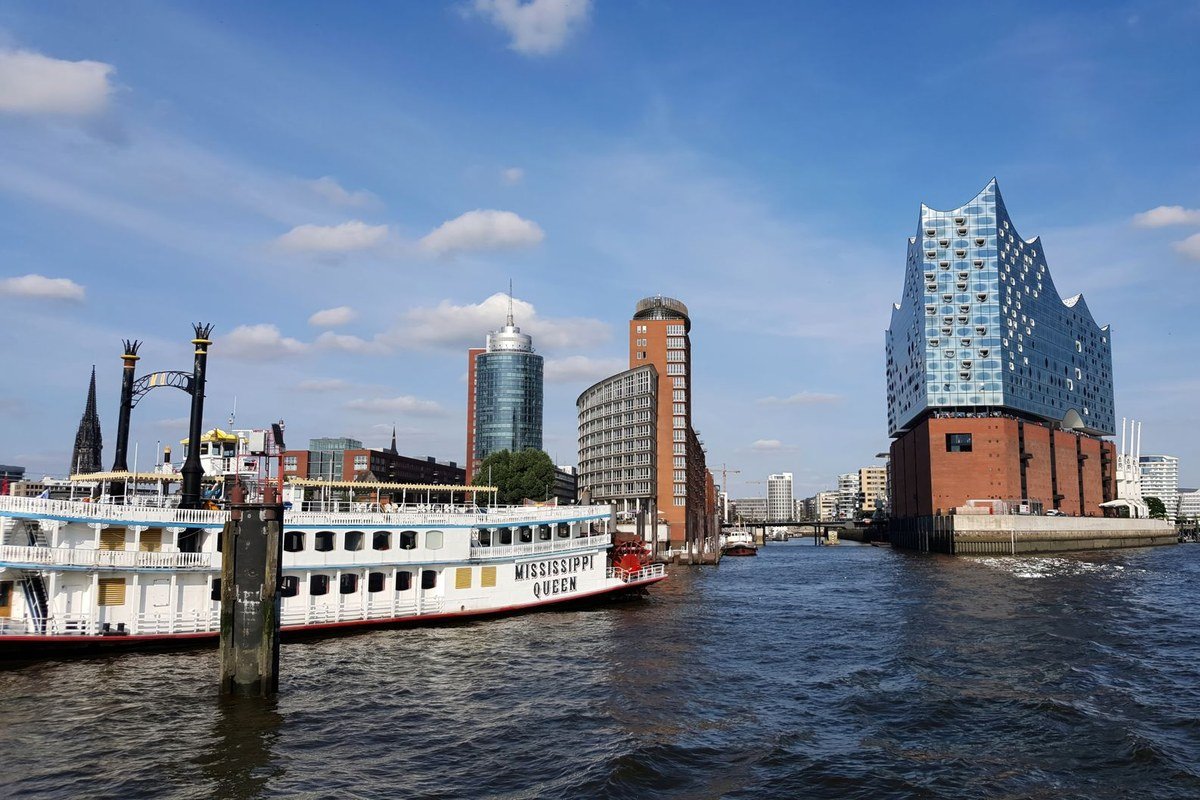
Ten years after opening its glass crown to the world, Hamburg’s Elbphilharmonie remains one of architecture’s most consequential cultural statements of the 21st century. The Swiss architecture firm Herzog & de Meuron designed the Elbphilharmonie as a structure that doesn’t just house music, it transforms how audiences experience it. Perched on the Elbe River, the concert hall rises like a crystalline wave from a converted warehouse, its undulating glass facade catching light at every angle and turning the building itself into a visual performance.
The anniversary celebration arrives not as a retrospective but as a living testament to the hall’s operational maturity. A decade in, the Elbphilharmonie has hosted everyone from major orchestras to experimental ensembles, all benefiting from its nearly perfect acoustics and the architectural precision that took seven years to complete. The building cost roughly 910 million euros and faced years of delays, but those obstacles now read as historical footnotes to what emerged: a venue that fundamentally elevated Hamburg’s cultural infrastructure and attracted international musicians and tourists who came specifically to experience both the space and the music within it.
The 10-year milestone for Elbphilharmonie Hamburg carries real weight because the hall has proven itself beyond the hype. Its Grand Hall seats 2,100 and delivers sound reproduction that even demanding orchestras consider world-class. The smaller Recital Hall, seating 550, provides an entirely different intimacy. Neither feels like a trophy or a monument to excess. Instead, the Elbphilharmonie functions as Herzog & de Meuron intended: a working masterpiece that serves the music first and the architecture second, even as visitors line up to admire both.