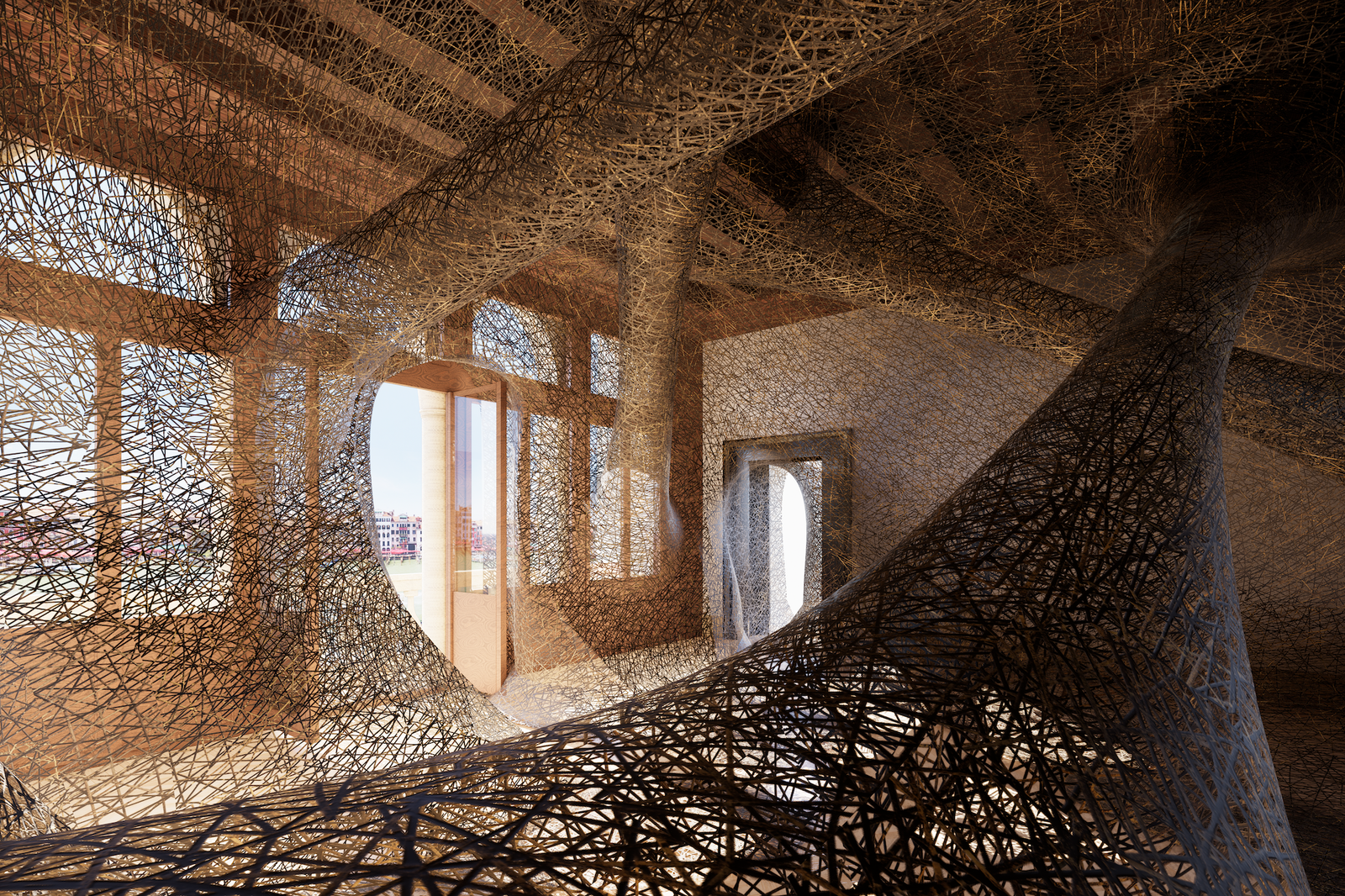
Personal Structures Venice: The Biennale’s architectural exhibition takes over Palazzo Bembo, Palazzo Mora, and the Marinaressa Gardens through November, turning Venice’s most storied buildings into a canvas for contemporary artists.
The water laps against the weathered stone facades of three Renaissance palazzos as crews make final adjustments to gallery walls and artists’ installations settle into their designated rooms. Venice’s Personal Structures exhibition has returned to the Venetian calendar with characteristic ambition, reclaiming not just one but three historic venues across the city’s central districts. Palazzo Bembo’s frescoed ceilings now frame minimalist interventions. Palazzo Mora’s grand staircases become part of the spatial choreography. The Marinaressa Gardens, open to the Venetian lagoon itself, host works that play against salt air and shifting light. The sheer geographic spread of the show, stretching across multiple neighborhoods and through November, transforms how visitors experience both the art and the city itself.
The premise of “Personal Structures” sits at the intersection of architecture and contemporary practice. Rather than cordoning art into white-box sterility, the exhibition asks how artists respond when placed inside buildings that already possess gravity and history. A palazzo’s palazzo-ness becomes part of the work. Corridors designed for Renaissance nobility become psychological spaces. The gardens, traditionally peripheral to Venice’s tourist circuits, emerge as primary viewing territory. This isn’t institutional white-box modernism transplanted onto old stone, but genuine dialogue between contemporary vision and architectural fact. The scale of the undertaking, spread across three distinct zones, forces curators and artists alike to think relationally: how does work in Palazzo Bembo speak to work in Palazzo Mora? What does the Marinaressa’s outdoor exposure change about viewing the same work indoors?
For visitors accustomed to the Venice Biennale’s formula, Personal Structures offers a radically different proposition: not a consolidated campus but a city-wide conversation between art and the buildings that house it, fundamentally reshaping how contemporary practice engages with Venice’s architectural legacy.